
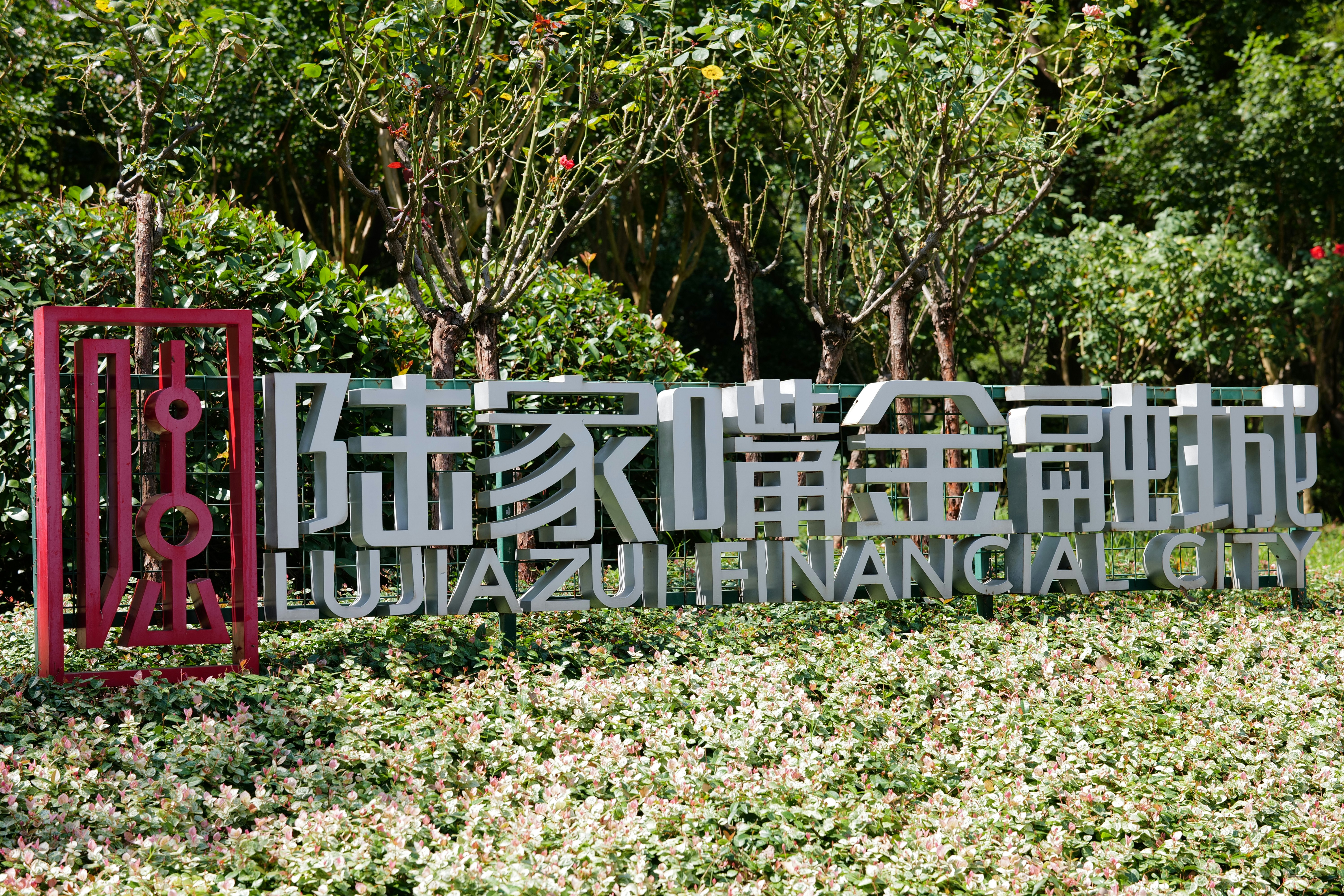
Introduction to China’s Financial Market
The financial market in China has undergone significant evolution over the past few decades, positioning itself as a crucial pillar of the global economy. Following the economic reforms initiated in the late 1970s, China has gradually transitioned from a closed system to one that increasingly engages with international financial markets. This transformation has seen the emergence of a complex financial sector characterized by its components: banking, capital markets, and insurance.
The banking sector is the backbone of China’s financial market, encompassing state-owned banks, joint-stock commercial banks, and foreign banks that provide a range of financial services. It plays a pivotal role in facilitating investment, consumption, and the overall economic growth of the nation. Capital markets, on the other hand, have significantly expanded, with the establishment of stock exchanges in Shanghai and Shenzhen, becoming key platforms for companies to raise capital and for investors to access a variety of investment opportunities. The development of these markets has not only attracted domestic investors but has also caught the attention of foreign investors seeking to tap into the growing Chinese economy.
Insurance is another essential component, demonstrating remarkable growth as both a savings and risk management tool for individuals and businesses alike. With the rising awareness of the importance of financial security, insurance companies have diversified their products, contributing to the financial market’s dynamism. Government policies have played an instrumental role in shaping these sectors, often reflecting a balancing act between encouraging growth and maintaining financial stability.
As China’s financial market continues to evolve amid the forces of globalization, the interplay between domestic policies and international economic trends remains a key area of observation. Understanding this market is crucial not just for investors and businesses operating in China but also for those looking to grasp the broader implications for the world economy.
Current State of the Chinese Economy
As of late 2023, the Chinese economy is navigating a complex landscape characterized by variable growth rates, inflationary pressures, and shifting employment dynamics. China’s Gross Domestic Product (GDP) growth has been a focal point for economists and investors alike, reflecting an economy that is still recovering from the impacts of the Covid-19 pandemic while adapting to new global economic realities. Currently, GDP growth is projected to hover around 5% for the year, a figure that indicates a gradual stabilization after the disruptions experienced previously.
However, inflation rates have raised concerns among policymakers. The latest figures report an inflation rate of approximately 2.5%, which, although modest compared to international standards, signifies increasing costs for consumers and businesses. This inflationary trend could lead to changes in monetary policy, impacting liquidity in the financial markets. Investors are particularly attentive to how the People’s Bank of China might respond to these conditions, as interest rate adjustments could directly influence market stability and sentiment.
Employment levels are another critical aspect of the current economic landscape. The unemployment rate stands at around 5.3%, reflecting a relatively healthy job market, though youth unemployment remains a pressing issue with rates exceeding 15%. This disparity highlights underlying challenges within the economy, particularly the need for tailored policies that can address demographic employment mismatches. The interplay of these factors—GDP growth, inflation, and employment—forms a triad that significantly influences investor outlook and the broader financial markets in China.
In conclusion, the current state of the Chinese economy reveals a landscape of cautious optimism moderated by challenges. Stakeholders must remain vigilant to the evolving economic indicators that continue to shape investment strategies and market perceptions.
Recent Developments and Trends
China’s financial market is experiencing significant changes influenced by regulatory adjustments, the emergence of digital currencies, and the increasing focus on Environmental, Social, and Governance (ESG) principles. One of the most notable trends is the tightening of regulations aimed at enhancing the stability and transparency of the financial sector. The government has introduced measures to curb excessive debt and speculative investments, fostering a more sustainable market environment. These regulatory changes are reshaping investment strategies as market participants adapt to new compliance requirements and risk management protocols.
Another significant development is the rise of digital currencies. The People’s Bank of China (PBOC) has taken a leading role in this area by piloting the digital yuan, a central bank digital currency (CBDC). The introduction of the digital yuan is a crucial component of China’s broader strategy to modernize its financial infrastructure, improve transaction efficiency, and challenge the dominance of the U.S. dollar in international trade. Financial institutions and fintech companies are adjusting their business models to accommodate the potential impact of digital currencies on payment systems and cross-border transactions.
The integration of ESG principles into investment strategies is also gaining momentum within China’s financial market. Investors are increasingly recognizing the importance of sustainable practices and responsible investing. Chinese companies are beginning to adopt ESG frameworks to enhance their appeal to both domestic and foreign investors, reflecting a growing awareness of the impact of environmental and social factors on long-term financial performance. This trend indicates a potential shift in capital allocation, as funds are increasingly directed towards companies that meet ESG criteria, thereby driving a new wave of investment opportunities.
In this dynamic landscape, stakeholders must remain vigilant and adaptable to the evolving trends within China’s financial market, as these developments will significantly influence both current and future market behavior.
The Role of Regulatory Bodies
In the rapidly evolving landscape of China’s financial market, regulatory bodies play a crucial role in maintaining market integrity and ensuring robust financial operations. Two of the primary regulatory authorities are the People’s Bank of China (PBOC) and the China Securities Regulatory Commission (CSRC). Each entity has distinct yet interrelated responsibilities that significantly influence the financial ecosystem.
The People’s Bank of China serves as the central bank and is chiefly responsible for formulating and implementing monetary policy. By managing interest rates and regulating the money supply, the PBOC aims to achieve economic stability and sustainable growth. Additionally, it supervises payment systems and financial institutions to ensure they operate effectively and transparently. The PBOC’s role extends to responding to financial crises, setting liquidity conditions, and providing guidance on fiscal policies that impact the overall economy. These actions are vital for fostering confidence among investors and maintaining market stability.
On the other hand, the China Securities Regulatory Commission oversees the securities and futures markets. CSRC is responsible for protecting investors’ rights, ensuring fair trading practices, and regulating market participants. It implements rules and policies that govern public offerings, corporate governance, and disclosure requirements for publicly traded companies. By engaging in enforcement activities, such as monitoring insider trading and fraud, the CSRC upholds investor protection and promotes a level playing field for all market players.
Together, the PBOC and CSRC play a pivotal role in shaping China’s financial framework. Their collaborative efforts help mitigate challenges such as economic volatility and market manipulation, which can undermine investor confidence. Through these regulatory practices, these bodies contribute to a more resilient financial market, presenting opportunities for domestic and foreign investors alike to navigate the complexities of China’s economic landscape.
Investment Opportunities in China’s Financial Market
China’s financial market presents a myriad of investment opportunities, driven by its rapid economic growth and the ongoing evolution of various sectors. Equities remain a compelling entry point for investors, particularly in sectors such as technology, healthcare, and green finance. The Chinese government has steadily implemented reforms that aim to enhance market efficiency, making it easier for both domestic and foreign investors to participate in the stock market.
Technology, in particular, has emerged as a major growth driver within the Chinese financial landscape. Companies involved in artificial intelligence, e-commerce, and fintech are attracting significant attention from investors, as they benefit from China’s digital transformation and expanding consumer base. The strong performance of tech stocks has made them a focal point for investment, promising substantial returns amid the ongoing digital revolution.
Healthcare is another sector poised for significant growth as China grapples with an aging population and increasing healthcare demands. Consequently, investments in pharmaceuticals, medical devices, and biotechnology are viewed as strategic opportunities. The Chinese government’s initiatives to improve healthcare access and affordability further bolster this industry’s prospects, making it an attractive area for foreign investors looking to capitalize on the market’s potential.
Green finance represents a pivotal investment opportunity, as China aims to become carbon neutral by 2060. Renewable energy projects and environmentally sustainable initiatives receive extensive government backing, paving the way for investments in clean technology and energy efficiency. The emphasis on green finance is likely to attract stakeholders who prioritize sustainable investment practices.
While entering the Chinese financial market presents numerous opportunities, foreign investors should also consider regulatory challenges and cultural differences. Understanding local market dynamics, partnering with local firms, and being aware of government policies can significantly assist in navigating this complex environment. With a careful approach, foreign investors can explore lucrative avenues in China’s evolving financial landscape.
Challenges Facing China’s Financial Market
China’s financial market has experienced profound growth over the past few decades; however, several challenges continue to hinder its stability and effectiveness. One significant issue is the presence of systemic risks that threaten the entire financial ecosystem. These risks are often exacerbated by interconnections between various financial institutions and sectors, where the failure of one entity can trigger a domino effect, impacting the entire market.
Another challenge is the proliferation of unregulated financial products. With the rapid growth of fintech and shadow banking, many financial products operate outside the purview of government regulation. This lack of oversight can lead to heightened risks for investors and pose systemic threats. The emergence of products like wealth management products and peer-to-peer lending schemes illustrates the potential dangers of investing in an unregulated environment, which could result in substantial financial losses for individuals and institutions alike.
Geopolitical tensions also present a significant challenge to China’s financial market. The ongoing trade disputes and conflicting interests with Western economies can cause uncertainties that affect investor confidence and capital flows. These tensions might lead to market volatility, as well as heightened scrutiny from international shareholders, consequently impacting the overall performance of China’s financial assets.
Furthermore, the influence of global economic fluctuations cannot be underestimated. As a major component of the global economy, China’s financial market is susceptible to external shocks such as fluctuations in commodity prices, exchange rates, and changing interest rates in other countries. The rise and fall of these factors may lead to unpredictable market movements and increased risk for domestic investors.
Understanding these challenges is essential for assessing the resilience of China’s financial market and identifying potential risks that could affect both local and foreign investors.
The Impact of Global Economic Factors
China’s financial market is intricately linked to various global economic factors that can significantly influence its stability and growth. One of the primary external influences is the ongoing trade wars, particularly with major economies like the United States. These trade tensions have led to increased tariffs and competition, adversely affecting Chinese exports and, consequently, its financial market dynamics. As tariffs rise, businesses and investors face heightened uncertainty, often leading to reduced investment and altered market strategies.
Interest rates also play a critical role in shaping China’s financial landscape. As central banks around the world adjust their monetary policies, fluctuations in interest rates can create ripple effects in China’s economy. For instance, if the U.S. Federal Reserve raises interest rates, it may lead to capital outflows from China, as investors seek higher returns in other markets. This shift can lead to currency depreciation and tighten financial conditions within China, further impacting local markets.
Moreover, supply chain disruptions, particularly in the wake of events like the COVID-19 pandemic, have exposed vulnerabilities within China’s economic framework. As global supply chains become more unpredictable, businesses may struggle to source essential materials, which can lead to increased operational costs. This added pressure can adversely affect profitability and overall market confidence, making investors cautious and hesitant about entering the market.
Cumulatively, these global economic factors contribute to an environment of volatility and uncertainty for China’s financial market. Investors are constantly evaluating these external influences when making decisions, weighing potential risks against the opportunities presented by a rapidly evolving market landscape. Understanding these dynamics is essential for navigating the complexities of investing in China amid global economic shifts.
Future Outlook for China’s Financial Market
The future outlook for China’s financial market is intricately tied to emerging economic indicators, trends, and regulatory shifts that are shaping the investment landscape. As one of the largest economies in the world, China has experienced significant changes that influence its financial sectors, including banking, securities, and asset management. Current projections indicate a gradual recovery and expansion of these markets, underpinned by both domestic and international demand.
Experts suggest that a notable trend will be the continued integration of technological advancements within financial services. The rise of fintech in China, characterized by digital payment systems and online banking, not only enhances the efficiency of transactions but also attracts younger consumers. This demographic shift is prompting traditional financial institutions to adapt, creating opportunities for innovative products and services tailored to the preferences of a tech-savvy populace.
Moreover, regulatory changes are anticipated as the government aims to balance rapid market development with stability and risk management. Recent reforms have highlighted a commitment to enhancing transparency, which may bolster investor confidence. Areas such as environmental, social, and governance (ESG) investments are expected to gain traction, aligning with government policies towards sustainable growth. Investors should keep an eye on sectors that align with these sustainability goals, such as renewable energy and green finance, which are poised for growth in the coming years.
Furthermore, geopolitical factors may significantly impact China’s financial market outlook. Changes in trade relationships and external economic pressures could present challenges, yet may also open up new avenues for diversifying investments. Overall, while challenges remain, the potential for growth and innovation in China’s financial market continues to attract global interest and investment. The coming years will undoubtedly shape the future of this dynamic landscape, making it crucial for stakeholders to stay informed and adaptable.
Conclusion and Takeaways
As we reflect on the current trends, challenges, and opportunities within China’s financial market, it becomes increasingly evident that understanding these dynamics is vital for both domestic and international investors. These complexities not only shape the landscape of investments but also dictate the strategic decisions that financial entities must adopt to thrive.
The rapid growth and evolution of China’s financial environment are underscored by technological advancements, such as the rise of fintech and digital currencies, alongside a shifting regulatory framework. Investors are encouraged to stay informed about these developments, as they significantly influence market behavior and investment strategies. The interplay between governmental policy interventions and market fluctuations is crucial in assessing risk and potential returns. Consequently, those who are proactive in adapting to these changes tend to find more favorable investment opportunities.
Moreover, the geopolitical environment remains a significant factor that can affect market stability and investor sentiment. Understanding the intricate relationship between China’s financial policies and global economic trends is essential for contextualizing potential risks and rewards. International investors must not only navigate domestic regulations but also be aware of broader economic expectations and international relations that could impact their operations.
In closing, while China’s financial market presents numerous challenges—from regulatory uncertainties to market volatility—the opportunities for growth and innovation are equally compelling. Investors equipped with a comprehensive understanding of the market dynamics are better positioned to make informed decisions that capitalize on these developments. Strategic foresight, continuous education, and adaptability are paramount for success in this complex financial landscape.





