
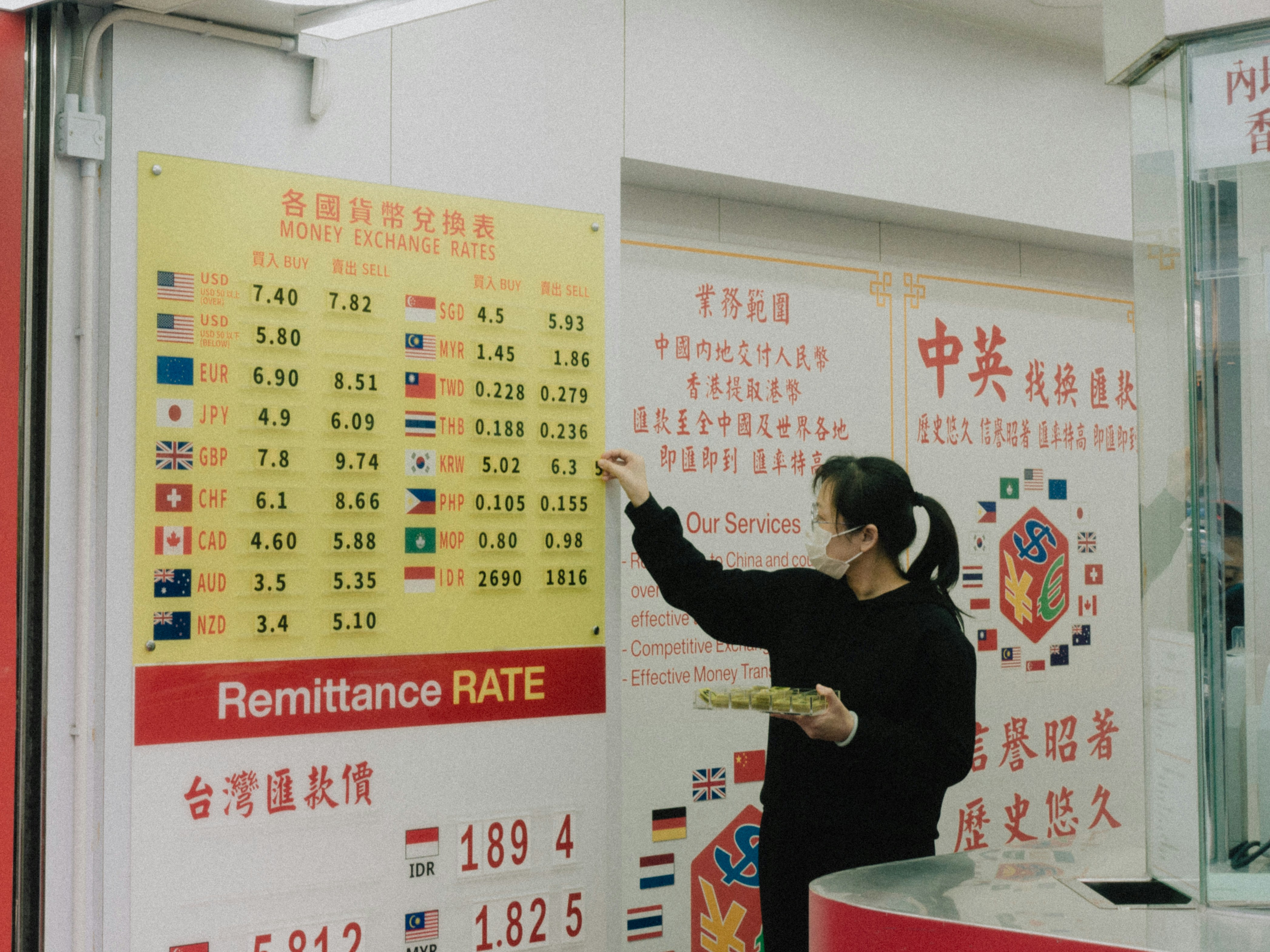
What is the Forex Market?
The foreign exchange market, commonly referred to as the forex market, is the largest financial market in the world, with an average daily trading volume exceeding $6 trillion. It serves as a global platform for exchanging national currencies, facilitating international trade and investment. In simple terms, forex is where different currencies are bought and sold, often in pairs, such as EUR/USD or GBP/JPY. This market is unique because it operates 24 hours a day, five days a week, allowing traders from various time zones to engage in currency trading at any time.
Forex distinguishes itself from other financial markets, such as stock or commodities markets, primarily because of its decentralized structure. Instead of a central exchange, forex transactions occur over-the-counter (OTC) through a network of banks, brokers, and financial institutions. This means that the forex market is highly liquid, ensuring that traders can enter and exit positions swiftly. Furthermore, the primary participants include major banks, corporations that require currency conversion for international business, governments influencing monetary policy, and individual traders looking to capitalize on currency fluctuations.
In this market, trades are executed in real-time, with prices constantly changing based on supply and demand dynamics, geopolitical events, and economic indicators. Forex trading is characterized by its use of leverage, allowing traders to control larger positions with a relatively small amount of capital. However, this also introduces a higher degree of risk, necessitating a comprehensive understanding of market mechanisms before involvement. This structure, coupled with the range of available currency pairs, makes forex trading an attractive option for many aspiring traders.
How Forex Trading Works
Forex trading operates within a decentralized global marketplace, where currencies are bought and sold against one another. The fundamental units of trading in this market are known as currency pairs. A currency pair consists of two currencies: the base currency and the quote currency. For example, in the EUR/USD pair, the Euro is the base currency, while the US Dollar is the quote currency. The exchange rate indicates how much of the quote currency is needed to purchase one unit of the base currency.
The determination of exchange rates is influenced by a myriad of factors, including economic indicators, interest rates, geopolitical stability, and market sentiment. Traders analyze these underlying factors to make informed predictions about currency movements. One key element in forex trading is the concept of pips, which represents the smallest price movement in the exchange rate of a currency pair. Understanding pips is crucial as they significantly impact profit and loss calculations when trades are executed.
7traders utilize various platforms to engage in forex trading, with online brokers facilitating transactions. These platforms offer a range of tools for analysis and execution of trades. Moreover, leverage plays a pivotal role in forex trading, allowing traders to control larger positions with a smaller amount of capital. While leverage can amplify profits, it also increases potential losses, necessitating careful risk management.
Another important consideration is the concept of spreads, which reflects the difference between the buying and selling prices of a currency pair. The spread affects trading costs and can vary based on market conditions and broker policies. When placing trades, traders can utilize different types of orders, such as market orders, limit orders, and stop-loss orders, each serving distinct strategic purposes. By integrating these aspects, traders can navigate the complexities of the forex market with greater confidence.
Factors Influencing Currency Movements
The currency market, often referred to as forex or foreign exchange market, is influenced by a myriad of factors that determine the value of various currencies. One of the primary elements impacting currency movement is macroeconomic indicators, which include interest rates, inflation, and unemployment rates. For instance, changes in central bank interest rates can significantly affect currency values; a rise in interest rates may attract foreign capital, increasing demand for the respective currency, while a decrease may have the opposite effect. Similarly, inflation rates can erode purchasing power and, consequently, the credibility of a currency. The perceptions of economic stability are crucial, and high inflation generally leads to depreciation of the currency.
Another key aspect involves unemployment rates. High unemployment signals economic distress, which can lead to a decrease in consumer spending and overall economic activity, adversely affecting the currency. Traders and investors closely monitor these economic indicators to make informed trading decisions within the forex market.
In addition to these economic factors, geopolitical events play a significant role in currency fluctuations. Political instability, trade agreements, and diplomatic relations can create uncertainty, impacting investor sentiment and market volatility. For example, a country experiencing political unrest may see its currency weaken due to fears of a recession or reduced foreign investment.
Market sentiment itself is vital to currency movements. Traders often react to news, economic reports, and other events, which can lead to speculative trading that impacts currency values. Technical analysis can further influence trading decisions, as it relies on historical price charts and trading volumes to predict future movements. Understanding these diverse factors is crucial for beginners venturing into forex trading, as they collectively shape market dynamics and opportunities.
Tips for Successful Forex Trading
Embarking on a journey into the currency market can be both exciting and overwhelming. For beginners, implementing a few key strategies can greatly enhance the chances of success in forex trading. One of the first steps is to establish clear and achievable trading goals. These goals should be specific, measurable, attainable, relevant, and time-bound (SMART). By having clear objectives, traders can maintain focus and motivation while navigating the complexities of the market.
Developing a comprehensive trading plan is equally crucial. A well-structured plan outlines strategies, risk management techniques, and the desired trading approach. This roadmap helps traders stay disciplined and minimizes impulsive decisions driven by market emotions. Within the trading plan, incorporating risk management strategies is essential. Setting stop-loss orders, determining position sizes, and diversifying trades can mitigate potential losses and protect capital.
Moreover, continuous education is pivotal in forex trading. The market is continually evolving, and staying informed about recent economic developments, market news, and technical analysis strategies is vital. Online courses, webinars, and forex trading forums can provide valuable insights and keep traders updated. Additionally, beginning with a demo account allows newcomers to practice trading without the fear of losing real money. This practical experience is invaluable in understanding market dynamics and honing trading skills in a risk-free environment.
Understanding the psychological aspects of trading cannot be overlooked. Traders must recognize their emotional responses to gains and losses. Developing emotional resilience and maintaining a rational mindset during trading sessions can significantly enhance decision-making. Lastly, avoiding common pitfalls such as over-leveraging, revenge trading, and neglecting to stick to the trading plan can further solidify a trader’s foundation for success in the forex market. By adopting these strategies, beginners can navigate the complexities of forex trading more effectively.