
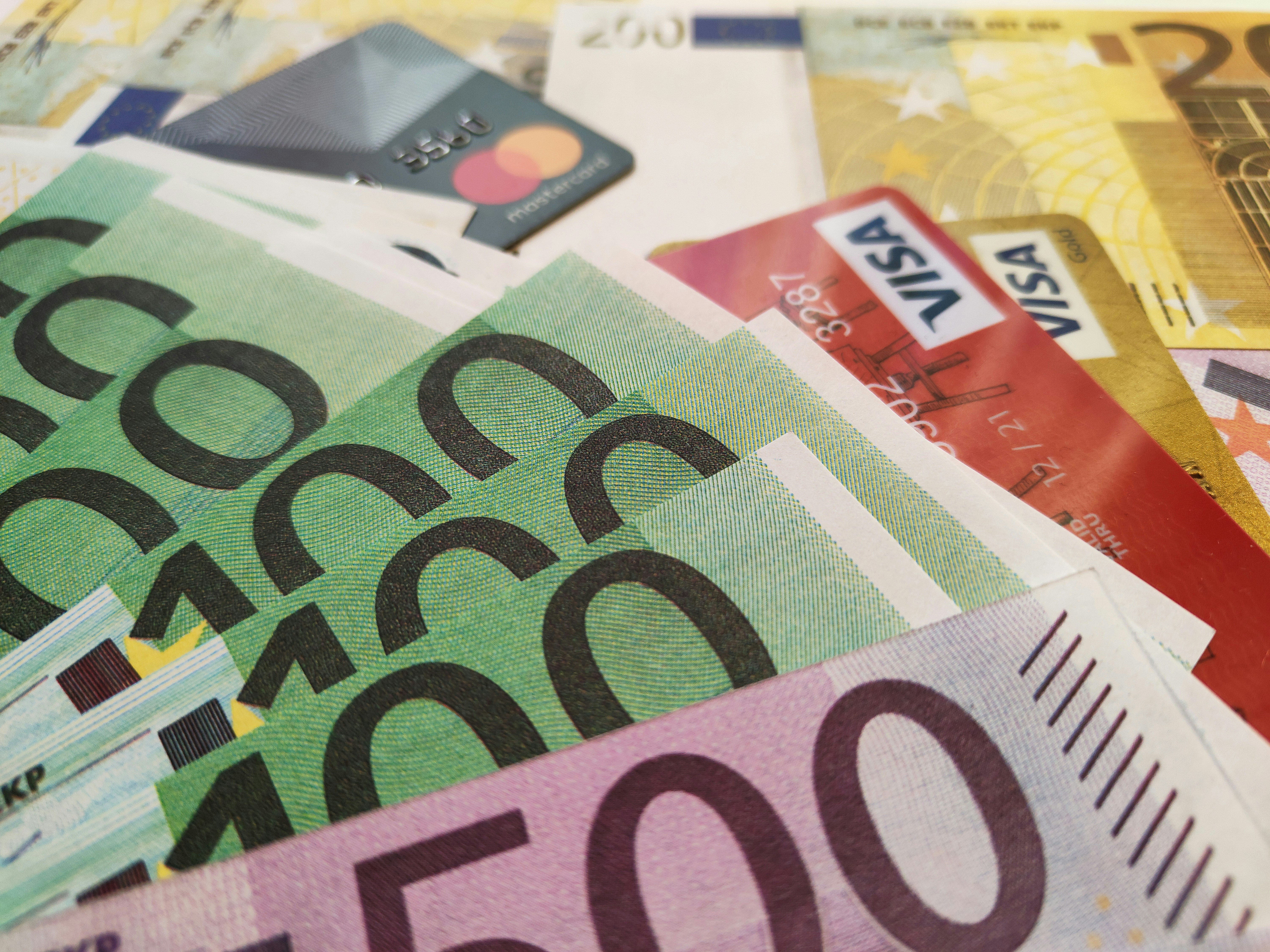
Introduction to the European Economic Landscape
The European economic landscape is marked by a diverse range of economies, each displaying unique characteristics shaped by historical, political, and cultural factors. As of October 2023, Europe emerges from a prolonged period of economic volatility marked by unprecedented challenges, including those brought on by global events such as the COVID-19 pandemic and geopolitical tensions. Several key statistics illustrate the current situation, revealing both the fragility and resilience of the European economies.
The European Union (EU) boasts a combined GDP that ranks among the largest in the world, signifying the crucial role it plays in the global economy. Recent reports indicate that the EU’s GDP has seen a modest recovery, with an average growth rate projected at around 2.1% for 2023. However, disparities persist across member states, with countries in Southern Europe often lagging behind their Northern counterparts. For instance, nations like Greece and Spain continue to experience higher unemployment rates compared to more prosperous countries such as Germany and the Netherlands.
One significant trend influencing the economic landscape is the ongoing shift toward green energy and sustainability. The EU has committed to ambitious climate goals, which present both challenges and opportunities for member states. Industries must adapt to new regulations and invest in green technology, leading to a potential realignment of labor markets and economic structures. Furthermore, the digital economy is gaining traction, with increased investments in tech startups and innovation aiming to enhance productivity and competitiveness across various sectors.
Additionally, external factors such as inflation and supply chain disruptions due to geopolitical conflicts have compelled policymakers to reconsider economic strategies. The interplay between individual national economies and EU policies remains complex, necessitating a coordinated approach to address shared challenges while leveraging opportunities for growth. This multifaceted landscape underscores the necessity for understanding Europe’s economic situation in a global context, which will be explored further in the subsequent sections.
Key Economic Indicators and Their Implications
Economic indicators serve as essential benchmarks for assessing the health of economies within Europe. Three key indicators to consider are Gross Domestic Product (GDP) growth rates, unemployment rates, and inflation levels. Each of these indicators provides valuable insights into the economic landscape of countries and the Eurozone collectively.
The GDP growth rate reflects the vitality of an economy by indicating how much value it has added over a specified period. In recent years, European economies have exhibited varying growth rates, with some nations experiencing robust expansion while others grappled with stagnation. For instance, nations like Ireland and Spain have shown impressive recovery post-pandemic, highlighting the potential for economic resilience. Conversely, slower GDP growth rates in countries such as Italy underscore persistent challenges faced, including structural inefficiencies. This divergence in growth rates impacts job creation, investment confidence, and overall economic stability across the region.
Unemployment rates serve as another critical indicator of economic health. High unemployment can signify underlying economic issues, including a lack of job opportunities or skills mismatches. In contrast, lower unemployment rates generally indicate a thriving job market. Throughout Europe, unemployment trends diverge widely. Countries like Germany exhibit low unemployment rates, fostering economic growth and consumer spending, while nations such as Greece continue to battle high unemployment levels, hindering their recovery efforts.
Furthermore, inflation levels are vital in understanding purchasing power and cost of living standards. Currently, inflation across Europe has been influenced by various factors, including supply chain disruptions and energy prices. Rising inflation can erode consumer confidence and spending power, which in turn affects GDP growth. Policymakers must navigate these complex relationships to promote sustainable economic growth.
Impact of Recent Global Events
The European economy has recently been significantly impacted by a combination of global events, such as the COVID-19 pandemic, geopolitical tensions, and supply chain disruptions. The pandemic served as a catalyst for unprecedented changes across industries, forcing European governments to implement rapid response measures to stabilize their economies. In an effort to combat the economic fallout, various nations introduced stimulus packages, laid out support for affected sectors, and adapted fiscal policies to support businesses and ensure job retention.
As the pandemic began to subside, the focus shifted towards addressing geopolitical tensions, particularly concerning trade relationships and energy supplies. These tensions have heightened awareness of Europe’s dependency on imported resources, prompting many countries to reassess their supply chains and diversify their sources. For example, the conflict in Eastern Europe not only led to a surge in energy prices but also disrupted logistics, significantly affecting manufacturing sectors across the continent. In response, the European Union (EU) has explored initiatives to bolster energy independence and ensure long-term resilience in the face of such challenges.
Additionally, the disruptions in supply chains experienced during the pandemic and subsequent geopolitical events served as a wake-up call for many industries. Businesses have begun to focus on increasing their agility and adaptability by reshoring production, investing in technological advancements, and fostering sustainable practices. These efforts are aimed at mitigating risks associated with global interdependencies while also addressing increasing consumer demands for transparency and sustainability.
In essence, although the recent global events have created significant hurdles for the European economy, they have also generated new opportunities for reform, innovation, and investment. By learning from these challenges, European governments and industries can work towards building a more resilient economic landscape that is equipped to handle future uncertainties.
Sectoral Analysis: Winners and Losers
The ongoing economic landscape in Europe has produced varied outcomes across different sectors, with some emerging as clear winners while others have been significantly challenged. The technology sector has shown remarkable resilience during these turbulent times. With the surge in remote working and digital transformation, tech firms, particularly in software development, e-commerce, and telecommunications, have thrived. The demand for cloud services and cybersecurity has skyrocketed, enabling numerous companies to post strong revenue growth. Furthermore, investments in artificial intelligence and machine learning continue to generate opportunities, allowing technology firms to innovate and expand their services significantly.
In stark contrast, the tourism sector has faced considerable difficulties. The lingering impact of the COVID-19 pandemic, coupled with travel restrictions and changing consumer behavior, has led to decreased travel activity. Many hospitality and leisure businesses are experiencing declining revenues, with some unable to recover from the severe downturn. However, there is a slight rebound, as pent-up demand encourages domestic tourism in certain regions, sparking cautious optimism among industry stakeholders.
The finance sector presents a mixed bag; while investment banking activities have rebounded due to increased market volatility, lending institutions face challenges from rising interest rates and increasing default risks. Financial institutions must navigate these headwinds while leveraging technological advancements to facilitate better customer service and operational efficiency.
Lastly, the manufacturing sector has been grappling with supply chain disruptions and increased raw material costs. Industries heavily reliant on exports are witnessing stagnation due to global market fluctuations. Yet, some manufacturers are adopting innovative practices and investing in green technologies to stay competitive, indicating a shift towards sustainability that could shape the future of the sector.
The Role of the European Union in Economic Stability
The European Union (EU) plays a crucial role in ensuring economic stability among its member states through a combination of fiscal and monetary policies. One of the primary mechanisms for achieving this is the implementation of coordinated fiscal measures that aim to mitigate disparities among different economies within the union. By providing a framework for fiscal discipline and promoting responsible budgeting, the EU encourages member states to engage in sound financial practices. This is particularly important during periods of economic downturn, when sound fiscal policies can help to cushion the impact of financial shocks.
Furthermore, the European Central Bank (ECB) is a key player in maintaining monetary stability across the EU. The ECB employs various tools to regulate inflation and support economic growth, including interest rate adjustments and quantitative easing measures. Such actions significantly influence liquidity in the market and help stabilize the economies of member states. By keeping inflation within targeted ranges and ensuring the availability of credit, the ECB enhances economic confidence, which is vital for long-term growth.
In recent years, the EU has also introduced the Next Generation EU recovery plan, which serves as a monumental effort to revive economies affected by the COVID-19 pandemic. This ambitious recovery package aims to facilitate investments in green technologies and digital transformation, fostering innovation and resilience among member states. The plan signifies the Union’s commitment to a sustainable recovery, designed to bolster economic stability and pave the way for a more integrated and cohesive economic landscape in Europe.
Through these strategic initiatives, the European Union continually endeavors to reinforce the economic stability of its member states, emphasizing the need for collaboration and solidarity during challenging times. This collective approach ultimately enhances the overall resilience of the European economy and prepares it to face future challenges.
Investment Trends and Opportunities
The current European economic landscape showcases a myriad of investment trends that signal both opportunities and challenges for investors. Emerging sectors are capturing attention, driven by innovation, sustainability, and technological advancement. As Europe aims for a resilient recovery post-pandemic, sectors such as renewable energy, technology, and healthcare stand out, attracting substantial foreign investments.
Renewable energy is one of the most promising areas of investment. With the European Union’s commitment to achieving carbon neutrality by 2050, there has been a marked increase in funding for solar, wind, and hydropower technologies. Investors are directing resources toward companies that are innovating in energy storage and efficiency as well. In 2021 and beyond, substantial funding has been observed in offshore wind projects, particularly in countries like Germany and the United Kingdom, indicating a robust long-term investment trend in this sector.
Technology, particularly in fields such as artificial intelligence (AI), cybersecurity, and fintech, is rapidly evolving. European startups are flourishing, garnering the attention of venture capitalists globally. The shift towards digital transformation across industries has accelerated the demand for innovative tech solutions. This is evidenced by significant investments made into firms specializing in fintech applications, cloud computing services, and E-commerce platforms, marking them as critical growth areas.
Moreover, the healthcare sector, particularly biotech, has shown resilience and growth potential. The recent pandemic has catalyzed investments in healthcare innovation, including telemedicine, pharmaceutical research, and personalized medicine. Investors are recognizing the long-term value in these segments, thereby reshaping the investment landscape as significant funding shifts toward health services and technology firms.
Overall, the European investment climate presents unique challenges and plentiful opportunities, with robust sectors poised for growth driven by technological innovation and sustainability initiatives. Investors that strategically navigate these emerging trends are likely to benefit from the changing economic dynamics in the region.
Sustainability and Economic Transformation
In recent years, sustainability initiatives have emerged as a central element of economic policies across Europe. The shift towards sustainable practices and technologies is not just an environmental imperative but also a significant driver of economic transformation. Governments and businesses alike are recognizing that integrating sustainability into their operations can lead to enhanced competitiveness, innovation, and resilience in the face of global challenges.
As Europe strives to meet its climate goals, various policies have been introduced to promote greener practices. The European Green Deal, for example, aims to make Europe the first climate-neutral continent by 2050. This ambitious plan emphasizes the importance of reducing greenhouse gas emissions, promoting renewable energy, and enhancing energy efficiency. As a result, industries are being urged to adopt cleaner technologies, leading to a structural shift in the economy. Sectors such as renewable energy, electric mobility, and sustainable agriculture are witnessing unprecedented growth, creating new job opportunities and emphasizing the potential for significant economic gains.
Moreover, sustainability initiatives often encourage innovation in product development and service delivery. Companies are increasingly investing in research and development to create environmentally friendly products, which not only caters to the rising consumer demand for sustainability but also enhances their market position. Such transformations are facilitating the emergence of circular economies, where waste is minimized, and materials are reused, further driving economic growth.
In this context, the notion of responsible investing has gained traction, with more investors favoring businesses that prioritize sustainability. This shift in investment patterns not only supports companies committed to environmentally responsible practices but also highlights the economic potential embedded in sustainable development. Ultimately, the convergence of sustainability and economic transformation presents both challenges and opportunities for Europe as it navigates the complexities of the modern economy.
Challenges Ahead: Inflation and Cost of Living Crisis
The European economy is currently grappling with significant challenges, principally driven by escalating inflation rates and an accompanying cost of living crisis. Inflation in Europe has surged to levels not seen in decades, reflecting a myriad of factors including supply chain disruptions, energy price volatility, and increased demand post-COVID-19. This inflationary pressure has manifested itself in higher costs for essential goods and services, impacting consumers across the continent.
The cost of living crisis is particularly acute for vulnerable populations, including low-income households and those on fixed incomes. With prices for food, housing, and energy soaring, many individuals are forced to make difficult choices about their expenditures. Consequently, the quality of life for a substantial segment of the population is under threat, leading to heightened financial stress and uncertainty. In countries where inflation has been most severe, such as the Baltic States and parts of Southern Europe, households are increasingly relying on credit to manage day-to-day expenses, which raises concerns about long-term financial stability.
The potential fallout from these economic challenges could be multifaceted. Prolonged inflation may compel central banks to respond with monetary tightening, which could stifle economic growth. As interest rates rise, borrowing costs would increase for both consumers and businesses, potentially leading to a slowdown in economic activity. Moreover, the political ramifications should not be overlooked, as rising dissatisfaction among citizens may impact public trust in governments and institutions, prompting calls for change in leadership or policy direction.
Looking ahead, Europe must navigate these headwinds with care, as the economic landscape remains fraught with uncertainties. Policymakers will need to balance the immediate relief measures for consumers with longer-term strategies aimed at fostering sustainable growth. Only through a cohesive and robust approach can the continent hope to mitigate the challenges posed by inflation and the cost of living crisis while seizing any ensuing opportunities.
Conclusion: The Future of Europe’s Economy
As we reflect on the current economic landscape of Europe, it becomes evident that the continent faces a myriad of challenges and opportunities that will shape its future. The ongoing repercussions of the pandemic, geopolitical tensions, and supply chain disruptions have strained economies; however, these circumstances also present unique pathways for recovery and growth.
One significant factor influencing Europe’s economic trajectory is the need for enhanced cooperation among EU member states. In this interconnected environment, financial stability can only be achieved through unified strategies that address common challenges. Collaborative efforts will be essential in navigating economic recovery, with shared investments in sustainable technologies and innovation playing a pivotal role. Furthermore, fostering cross-border synergies can help optimize resources and strengthen resilience against external shocks.
Looking ahead, Europe has the potential to emerge from its current difficulties with renewed vigor. By prioritizing green initiatives and digital transformation, countries can create a more sustainable economic framework that might insulate them from future crises. Rapid advances in energy efficiency and the embrace of a circular economy are vital components that can redefine industrial practices across the region.
Moreover, social cohesion must remain at the forefront of policy agendas. Bridging economic disparities among member states and ensuring that all citizens benefit from economic advancements will be crucial for fostering stability and inclusivity. In this context, the European Union’s commitment to supporting vulnerable populations through comprehensive programs can facilitate a more equitable recovery process.
In conclusion, while the European economy faces substantial hurdles, the collaborative spirit and strategic foresight can pave the way for a stronger, more resilient future. By leveraging collective strengths and prioritizing sustainable development, Europe stands to transform its economic challenges into opportunities for growth and prosperity.