
What is the Consumer Price Index (CPI) and its Significance?
The Consumer Price Index (CPI) is a pivotal economic indicator that measures the average change over time in the prices paid by urban consumers for a representative basket of goods and services. This index is constructed by the U.S. Bureau of Labor Statistics (BLS) and includes various categories, such as food, housing, clothing, and transportation. The CPI is essential for assessing the inflationary trends in the U.S. economy, making it a key focus for both consumers and policymakers.
To calculate the CPI, statisticians employ a methodology that encompasses collecting price data from thousands of retail outlets and service providers across the country. These prices are then weighted based on their significance in the typical consumer’s budget, producing a comprehensive index that reflects consumer purchasing power. The BLS releases this data monthly, which provides valuable insight into the overall economic climate.
The significance of the CPI extends beyond mere numbers; it serves as a primary tool in formulating economic policies. Policymakers, including the Federal Reserve, utilize CPI data to gauge inflation and make crucial decisions regarding interest rates. A rising CPI may prompt the Federal Reserve to consider increasing interest rates to curb inflation, while a lower CPI might suggest the need for monetary stimulus. Consequently, CPI fluctuations hold substantial implications for the financial markets, affecting everything from bond yields to stock valuations.
In addition to influencing policy, the CPI also impacts consumers directly. For instance, social security benefits and various contracts are often adjusted based on changes in the CPI, thereby linking consumer welfare to this key economic indicator. As such, understanding the CPI and its fluctuations is essential for a comprehensive grasp of the U.S. economic landscape.
Analysis of the Recent CPI Data Release and Its Implications
The Consumer Price Index (CPI) is a significant economic indicator that provides insight into inflation trends and consumer behavior. Recent CPI data have shown a notable decrease, coming in lower than analysts’ expectations. This unexpected drop in inflation rates can be attributed to various factors that deserve thorough analysis. For instance, shifts in consumer behavior, driven by changing economic conditions, have led to decreased demand for certain goods and services. As consumers reevaluate their spending habits amid fluctuating economic landscapes, price adjustments across various sectors have followed suit.
Furthermore, external economic factors such as supply chain improvements, geopolitical tensions, or changes in commodity prices can also impact inflation rates. As businesses adapt to new operational standards post-pandemic, they may find alternatives to previously costly inputs, which could result in lower overall pricing structures. These dynamics together have contributed to a decrease in the CPI, signaling potential changes in the economic environment.
This unexpected outcome has heightened discussions regarding the future actions of the Federal Reserve concerning interest rates. With inflation appearing to cool off, market expectations lean toward the potential for interest rate cuts as a means to stimulate borrowing and investment. Lowering interest rates could benefit consumers and businesses alike, enabling increased spending and economic growth. However, it is crucial to consider the risks associated with such monetary policy adjustments, including the potential for fueling asset bubbles or undermining long-term financial stability.
In essence, the recent CPI figures paint a complex picture of the current economic landscape. While the lower inflation rates may suggest a more favorable environment for monetary policy adjustments, the broader implications require careful consideration of both the advantages and risks entailed. Understanding these dynamics will be essential as policymakers and market participants navigate the evolving economic landscape.
Market Reactions: Federal Reserve and Broader Financial Landscape
The release of lower-than-expected Consumer Price Index (CPI) data often triggers immediate and pronounced reactions across financial markets. When CPI decreases, it generally suggests a moderation in inflation rates, prompting analysts to reevaluate expectations surrounding future monetary policy. Following such data, equity markets typically exhibit bullish sentiment, as investors anticipate that the Federal Reserve may reconsider the pace of interest rate hikes. In this context, lower CPI figures can lead to increased investor confidence, positively affecting stock prices across various sectors.
Bond markets also respond significantly to changes in CPI data. A lower inflation rate often results in the perception that the Federal Reserve will implement less aggressive monetary policies. Consequently, bond yields may decline, as investors seek safer assets amid the uncertainty of inflationary pressures. This dynamic can attract more investment into government securities, thus pushing yield curves lower, which impacts borrowing costs for consumers and businesses alike.
The Federal Reserve’s historical reactions to CPI data play a critical role in shaping market expectations. When inflation data falls short of projections, there is often a shift in policy dialogue centered around the need for caution in rate adjustments. The Fed may choose to adopt a more dovish approach, emphasizing gradual rate increases instead of rapid tightening. This strategic pivot not only influences financial markets but can also set the tone for broader economic growth, as lower rates tend to stimulate spending and investment.
In upcoming policy meetings, the Federal Reserve is likely to closely analyze the implications of reduced CPI data on the economy, weighing the potential benefits of maintaining a lower interest rate environment against the risks of long-term inflation. As market participants digest these developments, the interplay between CPI data and Federal Reserve policy will remain a focal point for both the financial markets and the wider economy.
The Crypto Market’s Cautious Response: What Lies Ahead?
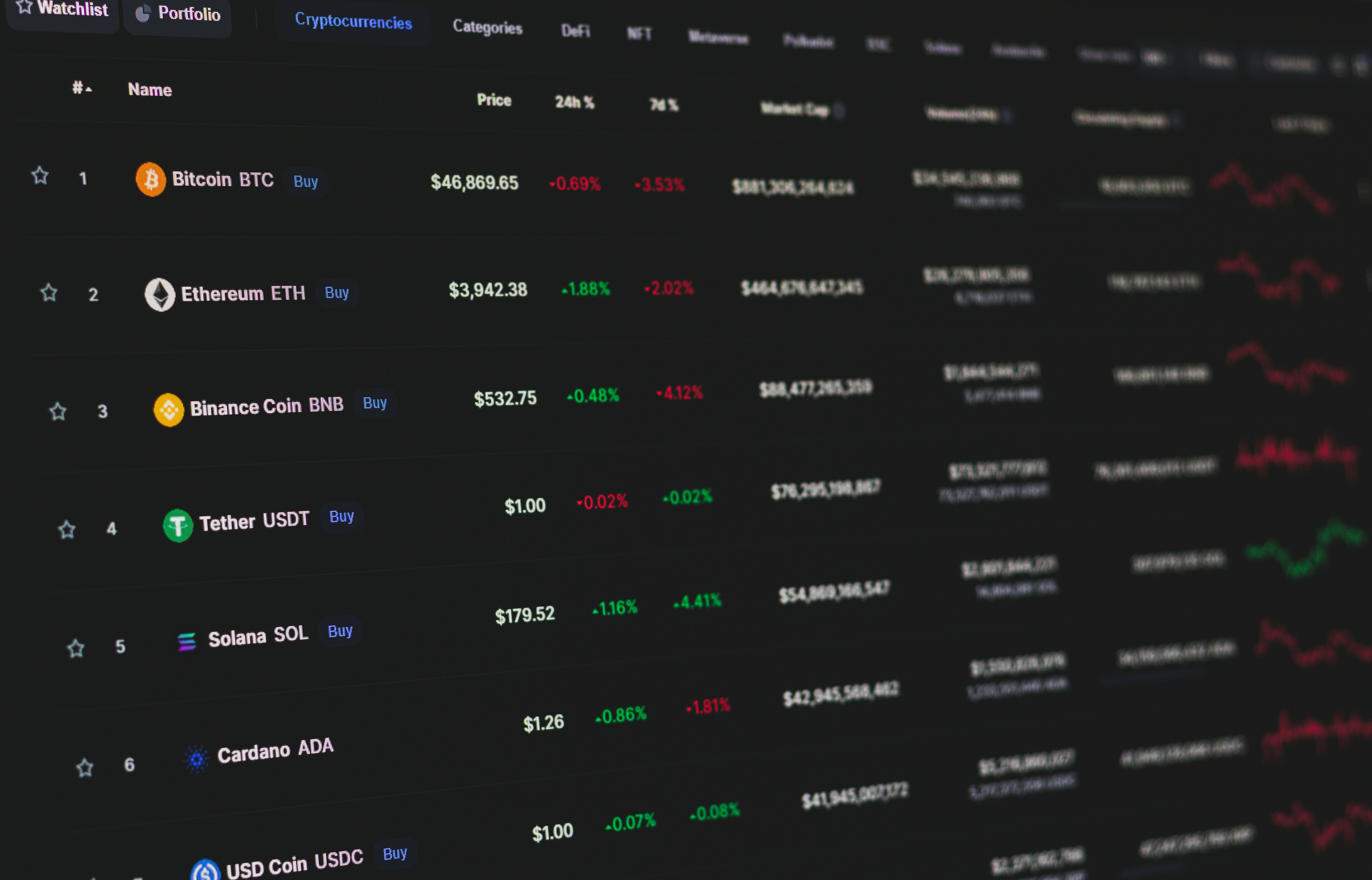
The recent Consumer Price Index (CPI) data has prompted a nuanced reaction from the cryptocurrency market, which is traditionally viewed as a speculative asset class. While many analysts had anticipated that potential rate cuts from the Federal Reserve could serve as a boon for digital assets, the reality has proved to be more complicated. Several factors are influencing the cautious stance observed within the crypto community, reflecting broader macroeconomic conditions and investor sentiment.
Firstly, regulatory uncertainty remains a significant hurdle for the cryptocurrency sector. Governmental bodies continue to grapple with creating comprehensive regulations that can accommodate this rapidly evolving market. Recent discussions surrounding the regulatory framework have generated apprehension among investors, who are concerned about potential crackdowns or unfavorable legislation that could suppress growth. This uncertainty might compel crypto investors to adopt a “wait and see” approach instead of capitalizing on what appeared to be a bullish signal from the CPI data.
Moreover, macroeconomic conditions play a crucial role in shaping market responses. The global economy is currently navigating a multitude of challenges, including inflation concerns, geopolitical tensions, and shifting labor markets. Investors may be inclined to adopt a more conservative posture in light of these factors, prioritizing traditional assets over digital currencies that often exhibit higher volatility. This cautious sentiment can dilute the expected positive impact of rate cuts in the cryptocurrency markets.
Finally, investor sentiment itself is a critical barometer for asset performance. Market participants appear to be exhibiting a heightened level of vigilance and skepticism regarding future price movements. The collective psyche of investors can often dictate market trends, and in the current economic landscape, this sentiment may lead to a degree of reluctance in engaging with cryptocurrencies, despite the opportunities presented by lower interest rates.
In light of these dynamics, the outlook for cryptocurrency assets in a declining interest rate environment remains uncertain. As the market continues to react cautiously, it will be essential to monitor ongoing developments related to regulatory measures, macroeconomic factors, and shifts in investor sentiment to gain insight into the potential trajectories of these digital assets.