
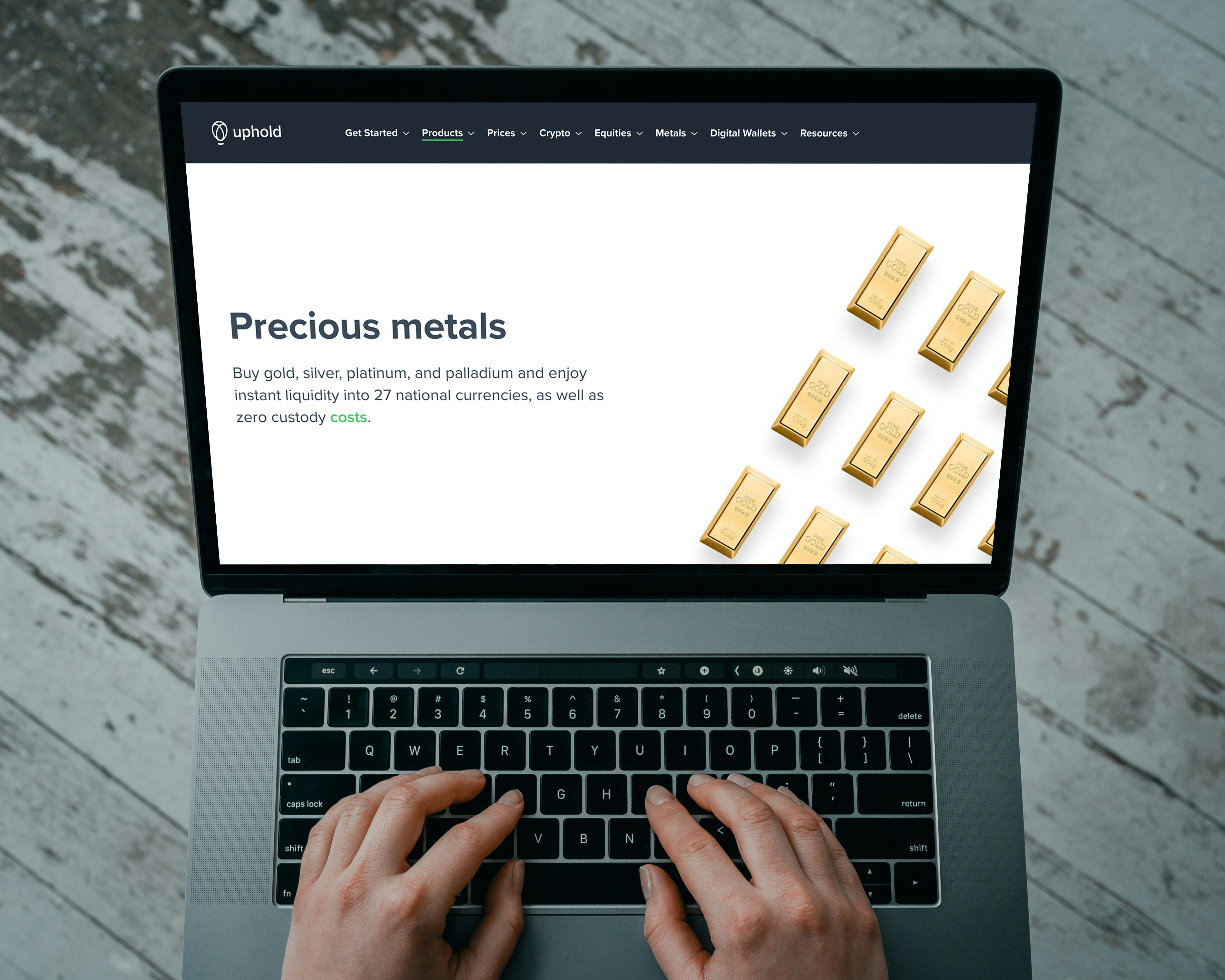
Introduction to Industrial and Precious Metals
Metals have long been indispensable in both industrial and precious categories, serving various applications that drive economic activity and innovation. Industrial metals, which include copper, aluminum, and nickel, are primarily utilized for their strength, conductivity, and resistance to corrosion. These metals are integral in the manufacturing and construction sectors, forming the backbone of infrastructure development and technological advancement.
On the other hand, precious metals—such as gold, silver, platinum, and palladium—carry significant intrinsic value due to their rarity, aesthetic appeal, and unique physical properties. Among these, platinum and palladium are particularly noteworthy for their remarkable chemical resilience and catalytic properties, making them essential in industrial processes. Both metals play critical roles in the automotive industry, specifically in catalytic converters designed to reduce harmful emissions. Moreover, their functionality extends into electronics, jewelry, and even dentistry, showcasing their diverse applicability across different sectors.
The market dynamics of platinum and palladium are influenced by various factors, including supply and demand fluctuations, geopolitical elements, and economic cycles. Investors and industry stakeholders must remain cognizant of these variables as they navigate the complexities of metal markets. Furthermore, developments in sustainable technologies and recycling processes are increasingly shaping the demand for these metals, emphasizing their ongoing importance. As industries evolve and environmental concerns take precedence, the relevance of platinum and palladium is expected to grow, underscoring the need for ongoing analysis and understanding of their market behavior.
Current Market Prices and Trends
As of the latest reports, the market prices for platinum and palladium are approximately 1,551.00 USD per ounce and 1,409.00 USD per ounce, respectively. These figures reflect the ongoing fluctuations in the commodities market, influenced by various economic and geopolitical factors. The dynamics of platinum prices often differ significantly from those of palladium, primarily due to their distinct industrial uses and demand sources. Platinum is extensively utilized in automobile catalytic converters, jewelry, and various industrial applications, whereas palladium is predominantly used in the automotive sector for catalytic converters, highlighting their critical roles in industrial production.
Recent trends indicate an increase in both platinum and palladium prices, attributed to a resurgence in industrial demand coupled with supply chain disruptions. Factors such as the global economic recovery post-pandemic, shifts in consumer behavior, and evolving regulations on emissions have further impacted these metals’ market dynamics. Furthermore, the ongoing geopolitical tensions in key mining regions have created an atmosphere of uncertainty, leading traders to adjust their strategies accordingly. In particular, the palladium market has experienced heightened volatility, with prices reacting sharply to news regarding automobile production rates and electric vehicle adoption.
When comparing current prices to historical data, both metals have seen significant swings in value over recent years. For instance, platinum prices reached record highs in 2008, peaking above 2,000 USD per ounce and have since oscillated between highs and lows with notable resilience. In contrast, palladium has demonstrated a more pronounced upward trajectory in the last five years, driven largely by its increasing application in emissions-reducing technologies.
Global events such as trade agreements, production cuts by major suppliers, and changes in regulatory frameworks will continue to shape the future pricing of platinum and palladium. Understanding these conditions provides valuable insights into market trends and expected future valuations of these precious metals.
Factors Affecting Price Fluctuations
The prices of platinum and palladium are influenced by a myriad of factors, demonstrating the complexities inherent in commodity markets. At the core of these fluctuations are the dynamics of supply and demand. For instance, industrial demand plays a significant role, particularly as platinum and palladium are crucial components in automotive catalysts that reduce harmful emissions. A surge in global automotive production can lead to increased demand for these metals, thus driving up prices. Conversely, a downturn in manufacturing may result in decreased demand, influencing price declines.
Geopolitical events also bear weight on price movements. Political instability in major producing countries can disrupt supply chains and create a sense of uncertainty in the market. If, for example, a major producer experiences social or political upheaval, the resultant supply shock often causes prices to skyrocket due to fears of scarcity. Additionally, trade agreements and tariffs can impact the flow of these metals across borders, further complicating the supply landscape.
Changes in consumer behavior are another critical consideration. As technologies evolve, the demand for platinum and palladium can shift. For example, the growing interest in electric vehicles affects platinum usage, as these vehicles often rely on different technologies that may not require platinum as extensively as internal combustion engines. Furthermore, advancements in recycling technologies enable increased recovery of these metals from catalytic converters, influencing their availability in the market.
Finally, market speculation can substantially contribute to price volatility. Investors often react to economic indicators, news reports, and market sentiment, which can lead to swift price changes. This speculative trading can amplify the natural fluctuations of supply and demand, leading to further instability. Overall, understanding these interrelated factors is essential for anyone looking to navigate the platinum and palladium markets effectively.
Investment Opportunities and Risks
Investing in precious metals such as platinum and palladium presents unique opportunities, yet it is crucial for investors to approach these markets with careful consideration of associated risks. Both metals have demonstrated significant price fluctuations influenced by various factors including industrial demand, geopolitical tensions, and shifts in investment sentiment. Platinum, primarily used in automotive catalytic converters and jewelry, often mirrors the state of the economy. A strong automotive industry boosts demand, potentially resulting in price increases. Meanwhile, palladium, which is increasingly favored for its higher efficiency in emissions control technology, has seen a dramatic surge in demand, pushing its price to new heights in recent years.
However, while the potential for investment gains exists, it is imperative to recognize the risks. Market volatility can lead to significant short-term losses, particularly during economic downturns or when alternative technologies emerge. Furthermore, the supply dynamics for both metals are susceptible to disruptions from political instability in major producing countries such as Russia and South Africa, creating additional uncertainty for investors.
To navigate these challenges, effective risk management strategies are essential. Diversification within a portfolio can mitigate risks associated with relying solely on platinum or palladium. Investors should consider spreading their investments across various asset classes, including stocks, bonds, and other commodities. This balanced approach can reduce overall volatility and provide a hedge against adverse market movements.
For newcomers to the metal investment landscape, educating oneself about market trends, historical performance, and the factors influencing prices can lead to more informed decisions. Regularly monitoring market news, consulting financial experts, and possibly utilizing exchange-traded funds (ETFs) that focus on precious metals, may also enhance investment strategies. By understanding both the opportunities and risks of investing in platinum and palladium, each investor can tailor their approach to align with their financial goals and risk tolerance.