
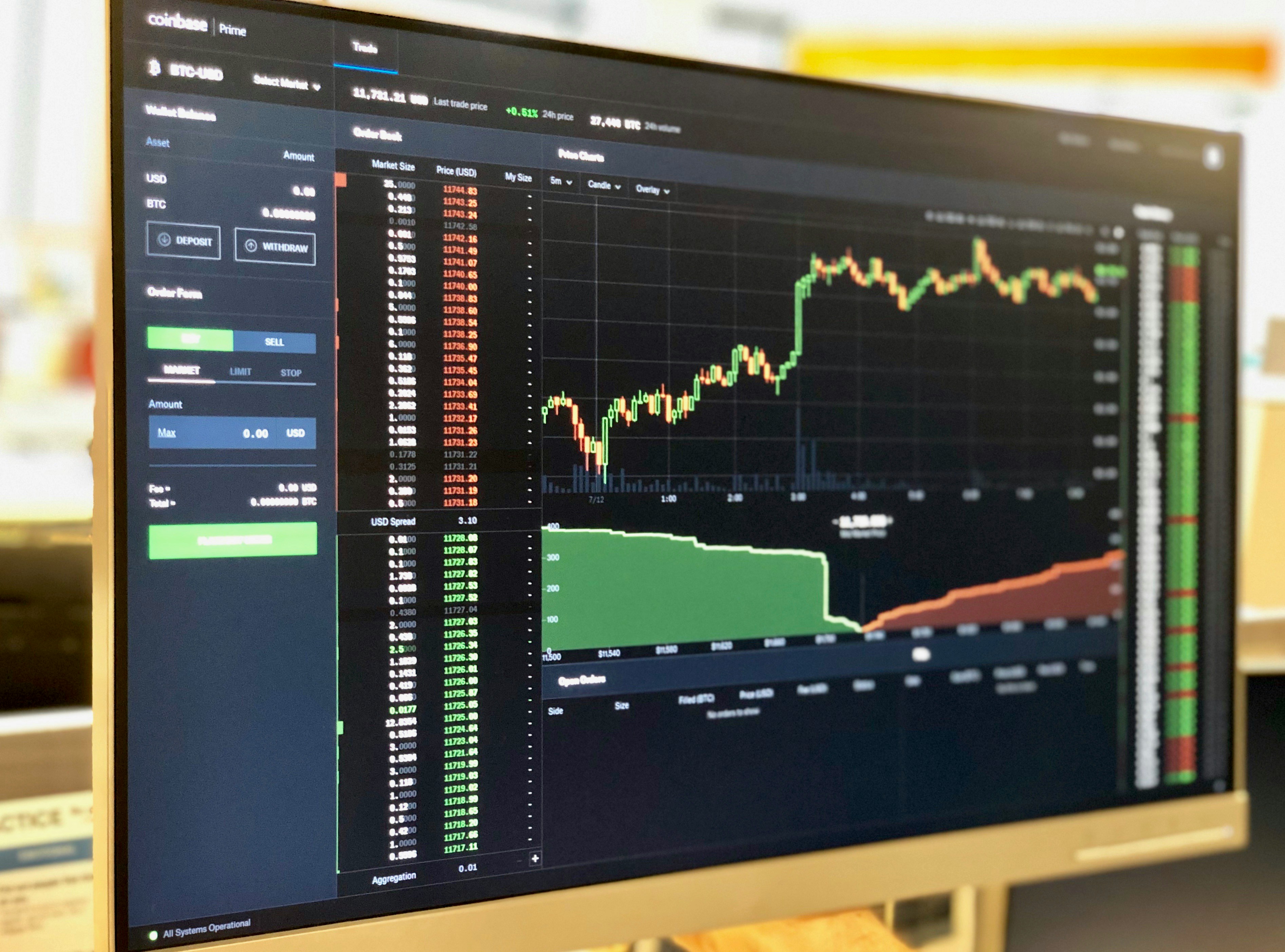
The Current State of the Cryptocurrency Market
As of recent observations, the global cryptocurrency market has experienced substantial upheaval characterized by sharp price declines across various digital currencies. In the past 24 hours alone, Bitcoin, the leading cryptocurrency, recorded a price drop of over 8%, bringing its market value below significant psychological thresholds. This downturn is emblematic of the broader market trends affecting various altcoins, with many experiencing similar declines, eroding substantial portions of their market capitalizations.
Percentage Drop: The total global cryptocurrency market capitalization has decreased by approximately 6.03% to 6.63% over the last 24 hours, depending on the data source. Absolute Value (Recent): The current total market capitalization is recorded at approximately $3.02 – $3.13 Trillion USD.
The implications of these rapid price changes extend beyond mere investor losses; they resonate throughout the general economy. Investors, particularly retail traders, may find themselves reconsidering their positions amid steeper losses. Such reassessment can lead to further market corrections as sentiments oscillate between fear and optimism. Institutional investors, on the other hand, may leverage these price declines to acquire digital assets at perceived bargain prices but will also reevaluate their risk thresholds in light of the ongoing volatility.
This cyclical nature of price fluctuations highlights the unpredictability of cryptocurrency trading and its capacity to impact economic trends. With global implications and continued media scrutiny, understanding market dynamics remains crucial for investors and stakeholders alike, as they navigate the complexities of this rapidly evolving landscape.
Bitcoin: The Leading Indicator
Bitcoin, the most recognized and widely adopted cryptocurrency, has faced a notable decline in its value over the last 24 hours, dropping by 4.56%. As of now, Bitcoin’s price is significantly lower than its previous highs, raising concerns among investors and market analysts alike. Understanding the factors contributing to this downturn is essential for assessing the cryptocurrency landscape.
The recent bearish trend signals a chaotic period in the global cryptocurrency market. One of the primary reasons for Bitcoin’s decline can be traced back to market sentiment, which has been increasingly apprehensive. Investors have exhibited caution amidst ongoing regulatory scrutiny and geopolitical tensions that impact financial markets at large. Additionally, news regarding tighter monetary policies in major economies tends to yield a ripple effect on risk assets, including Bitcoin.
External factors, such as fluctuations in traditional stock markets, also play a role in Bitcoin’s performance. When stock indices experience volatility, investors may become more risk-averse, prompting them to exit positions in speculative assets like cryptocurrencies. Furthermore, the influence of media narratives surrounding cryptocurrency has become increasingly pronounced. Negative headlines can exacerbate fears and lead to broader sell-offs. This interconnectedness highlights why Bitcoin often serves as a leading indicator for the broader cryptocurrency market—it embodies investor confidence and market trends.
As the situation unfolds, it remains crucial to monitor Bitcoin’s price movements and the sentiment surrounding it. Given its prominence, Bitcoin not only sets the tone for itself but also for numerous altcoins that mirror its trends. Investors must stay informed and vigilant, evaluating the implications of these fluctuations on their portfolios while considering the overall health of the cryptocurrency ecosystem.
Ethereum: Falling Behind
The Ethereum market has experienced significant fluctuations recently, notably a 6.2% decline during a challenging period for cryptocurrencies. This downward trend in Ethereum’s price raises concerns among investors, especially when juxtaposed with Bitcoin’s performance during the same timeframe. In analyzing Ethereum’s struggles, it is essential to identify key triggers that have contributed to this downturn.
One major factor influencing Ethereum’s performance is the overall sentiment in the cryptocurrency market. With Bitcoin, often seen as a bellwether for crypto assets, exhibiting more resilience, Ethereum lagged in comparison. Market dynamics such as regulatory changes, competitive pressures from alternative blockchain platforms, and shifts in investor interests have also significantly affected Ethereum’s market standing. Additionally, Ethereum continues to face challenges with scalability and transaction fees that may deter potential users and investors. These factors diverge sharply from Bitcoin’s status as a more established entity, leading to Ethereum’s recent underperformance.
As Ethereum attempts to navigate a rapidly changing landscape, the implications of the asset’s falling price are profound. Investors are keenly aware of the broader trends affecting the crypto market, and this heightened awareness has impacted trading strategies. Unlike Bitcoin, which has maintained a robust position, Ethereum’s volatility has prompted uncertainty, resulting in significant sell-offs. The decline might further discourage new investors who are wary of entering a fluctuating market where Ethereum’s price is falling behind its primary competitor.
This downturn for Ethereum underpins a pivotal moment for the cryptocurrency; it demonstrates the necessity for strategic developments, particularly in enhancing infrastructure and fostering user adoption. Drawing lessons from this situation, the Ethereum community is increasingly tasked with addressing these pressing concerns to reclaim its competitive edge in the global cryptocurrency market.
The Altcoin Avalanche
In recent months, the cryptocurrency market has witnessed a pronounced decline in several major altcoins, notably Solana, XRP, and Binance Coin (BNB). These cryptocurrencies, once heralded as the future of digital transactions and decentralized finance, have faced significant downward pressure, leading to severe losses that have rattled investor confidence. The market cap of these altcoins has diminished substantially, signaling a possible shift in market dynamics.
For instance, Solana, known for its high throughput and low transaction costs, saw a staggering drop of over 60% from its peak value. This decline has raised questions regarding its sustainability and long-term viability amidst growing competition from other blockchain platforms. Similarly, XRP, which recently faced legal challenges, has experienced a notable downturn, suggesting that regulatory concerns continue to weigh heavily on its performance. BNB also followed suit, as market fluctuations and changes in usage patterns have adversely affected its value. The impact of these declines is profound, influencing the overall altcoin market and eliciting caution among investors.
The ramifications of this altcoin avalanche extend beyond mere price corrections. The collective downturn of these significant altcoins could lead to increased volatility across the broader cryptocurrency market, potentially affecting investor sentiment and market liquidity. As a result, many traders and investors must reevaluate their positions and consider potential recovery strategies. Diversification, careful asset allocation, and a focus on thorough market analysis will be crucial for those looking to navigate this tumultuous landscape. While the road to recovery may be uncertain, understanding the underlying factors contributing to these declines is imperative for stakeholders seeking to make informed decisions in the altcoin sector.
Market Capitalization: Billions Lost
The recent fluctuations in the cryptocurrency market have resulted in significant implications for its overall market capitalization. A wave of volatility has swept through various cryptocurrencies, leading to substantial price declines and the apparent evaporation of billions of dollars in value. As of November 2025, estimates indicate that the market capitalization of cryptocurrencies has fallen from its peak, causing unease among investors and market participants alike. This decline underscores the inherent risks associated with investing in such a highly speculative and rapidly changing environment.
The impact of these price movements extends beyond just numerical values. For many stakeholders, including long-term investors, institutions, and new entrants, the shrinkage in market capitalization signifies a loss of confidence and may serve as an indicator of broader market trends. The psychological aspect of market behavior cannot be underestimated; declines in value can instigate panic sell-offs, further exacerbating the situation. Consequently, the potential for recovering lost investments becomes uncertain, leading to hesitation among potential investors who may opt to remain on the sidelines until a more stable environment reemerges.
Additionally, the effects of decreased market capitalization reverberate throughout various sectors associated with cryptocurrency. Miners, businesses utilizing blockchain technology, and service providers reliant on active market participation face challenges that could hinder growth opportunities. As the market grapples with these changes, stakeholders must carefully evaluate their strategies and risk management measures.
In summary, the billions lost from the global cryptocurrency market capitalization reflect a critical moment that potential investors must navigate. The volatility provides a stark reminder of the importance of thorough research and understanding before entering the market, particularly in an ecosystem characterized by rapid fluctuations and uncertainties.
The Recession Warning: What Experts Are Saying
The global cryptocurrency market has been under significant stress recently, prompting many experts to draw connections between the volatility in cryptocurrency prices and warnings of an impending recession. Analysts have observed that these digital assets often react to macroeconomic indicators, including interest rates, inflation, and stock market performance. As such, the discussions surrounding a possible recession have intensified, leading many to speculate about the underlying factors driving the recent cryptocurrency price declines.
Industry experts argue that the intertwining of the cryptocurrency market with traditional financial indices cannot be overlooked. For instance, a decline in stock markets frequently triggers a ripple effect across cryptocurrencies. This correlation was particularly evident during the recent downturn, where many cryptocurrencies experienced sharp declines in tandem with falling stock prices. Some analysts posit that investors often withdraw from high-risk assets like cryptocurrencies during uncertain economic times, seeking refuge in safer investments, which further exacerbates the decline in market value for digital assets.
Overall, the insights from these experts paint a nuanced picture of the cryptocurrency market’s response to recessionary warnings. While sentiments vary regarding the future trajectory of these digital assets, the connection between macroeconomic factors and cryptocurrency performance remains a key focal point in the ongoing discourse.
Impact of Fear and Uncertainty in the Market
The global cryptocurrency market has recently been characterized by notable volatility, driven in significant part by fear and uncertainty among investors. These emotional responses to fluctuating market conditions can have profound effects on trading behaviors and price movements. As prices oscillate dramatically, investors often experience heightened emotional states that skew their decision-making processes. This emotional volatility can result in a negative feedback loop, where fear prompts investors to sell off assets, further driving down prices and increasing market instability.
The psychology of investing plays a crucial role in this context. Commonly referenced phenomena, such as herd behavior, demonstrate how individuals can be influenced by the actions of others. During periods of instability, fearful investors may follow a downward trend, withdrawing their investments and contributing to an atmosphere of panic. This fear can stem from a variety of sources, including regulatory changes, security breaches, or macroeconomic trends affecting financial markets. Such uncertainty amplifies the emotional response, often leading to swift and impulsive trading actions.
What’s Next for Cryptocurrency Investors?
As cryptocurrency markets continue to experience significant volatility, it is crucial for investors to adopt a strategic approach to navigate these turbulent waters. The first step involves understanding the inherent risks associated with investing in digital assets. Price fluctuations are commonplace in the crypto landscape, and investors must prepare themselves for potential losses while maintaining a clear perspective on their long-term objectives.
One effective strategy for mitigating risk is the application of diversification. By spreading investments across various cryptocurrencies rather than concentrating resources into a single asset, investors can reduce their exposure to market downturns. This wealth distribution allows individuals to capitalize on the growth potential of multiple cryptocurrencies while safeguarding against the adverse impacts if one asset underperforms.
Additionally, utilizing dollar-cost averaging (DCA) can be a prudent approach during volatile periods. This method involves consistently investing a fixed amount of money at regular intervals, regardless of market conditions. DCA minimizes the impact of price volatility, as it tends to average out the purchase price over time. For investors who may be apprehensive about entering the market, this strategy ensures they remain engaged without the pressure of timing the market perfectly.
Furthermore, staying informed about market trends and developments is vital for successful cryptocurrency investing. Engaging with reputable news sources, monitoring social media channels, and participating in cryptocurrency forums can provide valuable insights into upcoming events or regulatory changes that may affect market dynamics. Such proactive measures can empower investors to adapt their strategies as the market evolves.
Finally, emotional discipline remains paramount during turbulent times. Investors should adhere to their predetermined strategies and avoid impulsive decisions driven by fear or greed. By practicing patience and remaining focused on their long-term goals, investors can weather the storms of market volatility and position themselves for potential growth opportunities in the future.
Conclusion: Lessons Learned from the Decline
The recent turbulence in the global cryptocurrency market offers significant insights into the underlying dynamics that drive price fluctuations. One of the most evident lessons is the importance of comprehending market sentiment, which can dramatically impact asset values. Investors are encouraged to pay attention to external factors, such as regulatory changes and macroeconomic trends, that can shape investor confidence and alter market trajectories. The decline has showcased how swiftly public perception can shift, leading to dramatic sell-offs and market corrections.
Furthermore, this period of decline reinforces the necessity for diversified investment strategies. Relying solely on a single cryptocurrency or asset class can increase exposure to volatility. Investors must consider distributing their portfolios across a range of digital assets as well as traditional investments to mitigate risks associated with sudden market downturns. This diversified approach can alleviate potential losses by balancing the performance of various assets during tumultuous times.
Moreover, the recent chaos serves as a clear reminder of the speculative nature of cryptocurrency investments. While the allure of rapid gains can be tempting, market participants should exercise caution and conduct thorough research to understand the assets in which they invest. It is imperative to focus on long-term trends and underlying technologies rather than succumbing to short-term hype that can influence trading behavior.
In summary, while the chaos in the cryptocurrency market has delivered a sobering experience for many investors, it simultaneously provides valuable lessons. Understanding market dynamics, embracing diversification, and exercising patience and diligence in investment choices will be crucial for navigating the ever-evolving landscape of digital currencies moving forward. Cautious optimism can foster resilience in the face of adversity, as the potential of the cryptocurrency market continues to unfold.





