
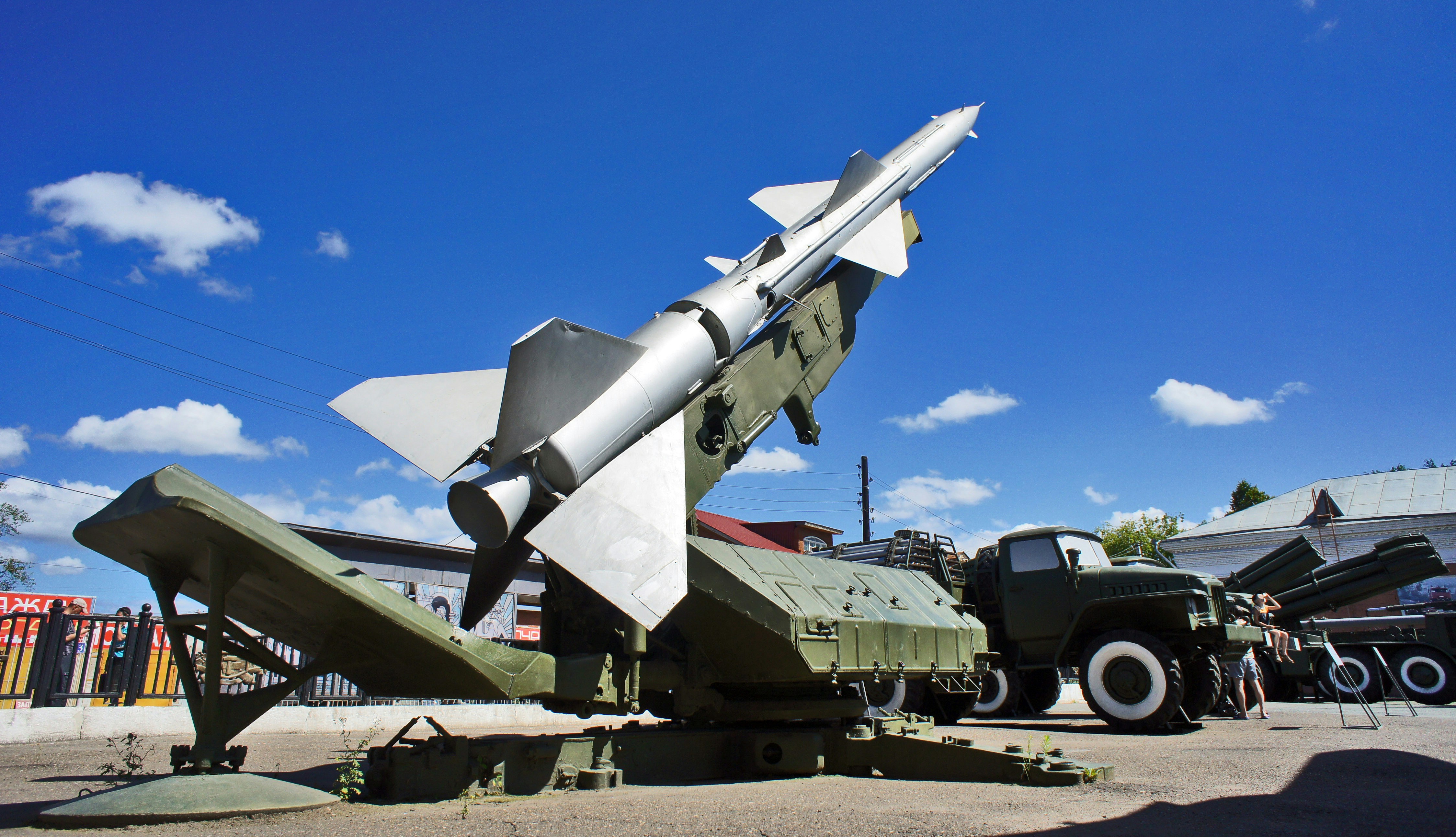
Introduction to the Burevestnik Missile
The Burevestnik missile, often referred to as the 9M730, represents a notable advancement in Russia’s military technology. This missile is characterized by its unique nuclear propulsion system, which theoretically grants it an extended flight range and operational endurance compared to conventional missile systems. The origins of the Burevestnik can be traced back to Russia’s efforts to enhance its strategic deterrent capabilities in response to perceived threats from NATO and other adversaries.
Development of the Burevestnik began in the 2000s, completing its design phase with extensive testing phases that included various flight tests to assess the missile’s reliability and performance. Russia officially announced this system’s existence in 2018, highlighting its ability to evade conventional missile defense mechanisms through low-altitude flight paths and unpredictable trajectories. This feature positions the Burevestnik as a sophisticated tool in Russia’s arsenal, enhancing its deterrent capability in the realm of modern warfare.
The strategic significance of the Burevestnik missile extends beyond its technical capabilities. It aligns with Russia’s broader military objectives, which focus on asserting power on the global stage and reaffirming its status as a major military player. The missile’s potential deployment could alter the balance of power, specifically within the context of international arms control agreements, which may require adjustments as nations consider their own responses to this threat.
Overall, the Burevestnik missile exemplifies the ongoing evolution of military technology and its implications for global security. As nations review their military strategies in light of developments like the Burevestnik, understanding its capabilities and strategic importance becomes crucial to grasp the future of international relations and military confrontations.
Analysis of the Recent Video Release
The recent video release by Russia showcasing the Burevestnik missile marks a significant moment in the context of modern military technology. The footage presents a meticulously crafted portrayal of the missile’s capabilities, emphasizing both its strategic importance and advanced features. Key highlights of the video include detailed simulations of the missile in flight, showcasing its ability to evade traditional missile defense systems. The visual presentation leaves no doubt regarding the operational potential of the Burevestnik, which is designed for long-range engagement and rapid response.
One of the most striking aspects of the video is the sophisticated guidance systems employed by the Burevestnik. The missile utilizes cutting-edge navigation technology, allowing it to maneuver dynamically during its flight path. This capability is underscored by scenes depicting its target acquisition and tracking processes. Moreover, the video hints at advanced warhead technology, although specifics remain undisclosed, suggesting that there may be enhancements compared to previous missile models. Such advancements signal a consolidation of Russia’s strategic deterrent capabilities in response to global military dynamics.
The context of this release is also noteworthy. Released amidst heightened geopolitical tensions, the video serves not only as a display of military prowess but also as a message to both domestic and international audiences. By unveiling the Burevestnik, Russia underscores its commitment to modernizing its military assets and enhancing its deterrent posture. This timely presentation may also serve to bolster national pride and reinforce the perception of technological superiority in military capabilities.
Overall, the video encapsulates Russia’s ongoing efforts to innovate and expand its ballistic missile systems, with the Burevestnik representing a significant leap forward. The thorough depiction of its operational capabilities marks an important moment in the evolving landscape of military technology.
Comparative Overview with Global Missile Technologies
The Burevestnik missile represents a significant development in Russia’s military arsenal, and its capabilities merit comparison to similar technologies developed by other prominent countries. When analyzing missile capabilities, a key focus lies in their range, payload, and technological sophistication, as these factors play a crucial role in shaping international defense strategies.
In comparison, the United States has advanced missile systems, notably the AGM-158 Joint Air-to-Surface Standoff Missile (JASSM). The JASSM boasts a range of over 1,000 kilometers and is known for its precision targeting. Its stealth features allow for greater penetration of sophisticated air defenses, significantly boosting operational effectiveness. Conversely, the Burevestnik is rumored to have an unlimited range, powered by a nuclear propulsion system, which raises critical questions regarding its potential to evade conventional detection, altering the framework of strategic deterrence.
China, on the other hand, has developed the DF-41 intercontinental ballistic missile (ICBM), which reportedly boasts a range of approximately 12,000 kilometers and a payload capable of carrying multiple warheads. This extensive range positions the DF-41 as a competitive system, capable of reaching targets across the globe quickly. Comparison with the Burevestnik illustrates that while the range of the latter remains uncertain, the integration of advanced guidance systems could enhance its capability significantly.
Other nations, such as India and North Korea, have also made strides in missile technology. India’s Agni series and North Korea’s Hwasong missile variants exhibit evolving ranges and payloads, but the extent of technological sophistication often varies. The Burevestnik’s unique propulsion technology highlights a strategic advantage, allowing Russia to potentially enhance its long-range strike capabilities against potential adversaries.
As nations continue to innovate their missile technologies, the implications for international security dynamics are profound. The Burevestnik’s distinctive features add complexity to the global arms landscape, necessitating rapid adaptations in defense strategies among other nations.
Geopolitical Implications of the Burevestnik Missile
The unveiling of the Burevestnik missile has stirred significant discussions regarding its geopolitical implications. This advanced missile system, characterized by its potential to deliver nuclear payloads over extended distances, could shift the current balance of power in several regions across the globe. As nations take stock of its capabilities, the missile has the potential to alter defense postures, prompting states to reassess their military strategies. The introduction of such technology may incite neighboring countries to enhance their own military arsenals, resulting in a possible arms race. This phenomenon is particularly pertinent in areas already fraught with tension, such as Eastern Europe and the Arctic regions.
International responses have varied, with some nations expressing concern over the strategic stability and potential threat that the Burevestnik missile poses. Notably, NATO and other regional powers may feel compelled to augment their defense capabilities in reaction to this development. Such adjustments could manifest in increased military spending and the revitalization of traditional alliances. The implications extend beyond mere military considerations; they also touch upon diplomatic relations and the necessity for arms control agreements to prevent escalating tensions.
The expansion of missile technology, particularly one as sophisticated as the Burevestnik, raises questions about the future of global defense spending. Countries might redirect resources from social programs to military enhancements, fearing that falling behind in arms capabilities could leave them vulnerable. This potential shift could further strain international relations, particularly among established powers and emerging nations alike. In conclusion, the geopolitical ramifications of the Burevestnik missile are profound, impacting military strategies, international diplomacy, and global defense expenditures in the foreseeable future.
You might also like:
- NATO Secretary General Mark Rutte’s Visit to Berlin: Strengthening Alliances and Defense Commitments
- The Federal Reserve’s Latest Meeting Minutes: Caution Amid Persistent Inflation
- The Changing Landscape of Immigration: A Deep Dive into the Number of Immigrants in the US
- Sam Altman and Tesla: The Unexpected Demand for a Deposit Refund
- Understanding LEO: The Utility Token Revolution by Ifinex