
Background on US-China Trade Relations
The trade relationship between the United States and China has evolved significantly over the last few decades, marked by periods of cooperation and tension. Initially, in the late 20th century, the US and China began establishing economic ties, promoting trade through policies such as China’s entry into the World Trade Organization (WTO) in 2001. This milestone represented a commitment to integrate China into the global trading system, providing a framework for economic cooperation and the reduction of tariffs.
However, as China rapidly industrialized and emerged as a global economic powerhouse, concerns about trade imbalances and unfair practices began to surface. The United States has consistently highlighted issues regarding intellectual property theft, forced technology transfers, and state-sponsored enterprises in China. These concerns led to the imposition of tariffs by the US, starting in 2018 under the Trump administration. The subsequent trade war escalated tensions, resulting in retaliatory tariffs from China and straining not only bilateral relations but also impacting global trade dynamics.
The economic interdependence of the two nations contributes to a complex relationship. China is one of the largest creditors of the United States, holding substantial amounts of US debt, while the US remains one of China’s largest export markets. This interdependence makes the stakes high for both parties, as any protracted conflict could have far-reaching consequences for the global economy.
Recent initiatives aimed at easing trade tensions reflect a recognition of the need for cooperation. Agreements such as the ‘Phase One’ trade deal in 2020 aimed to address some of these concerns. However, the underlying issues remain unresolved, illustrating the ongoing challenges that define US-China trade relations.
Details of the Suspension of Special Port Fees
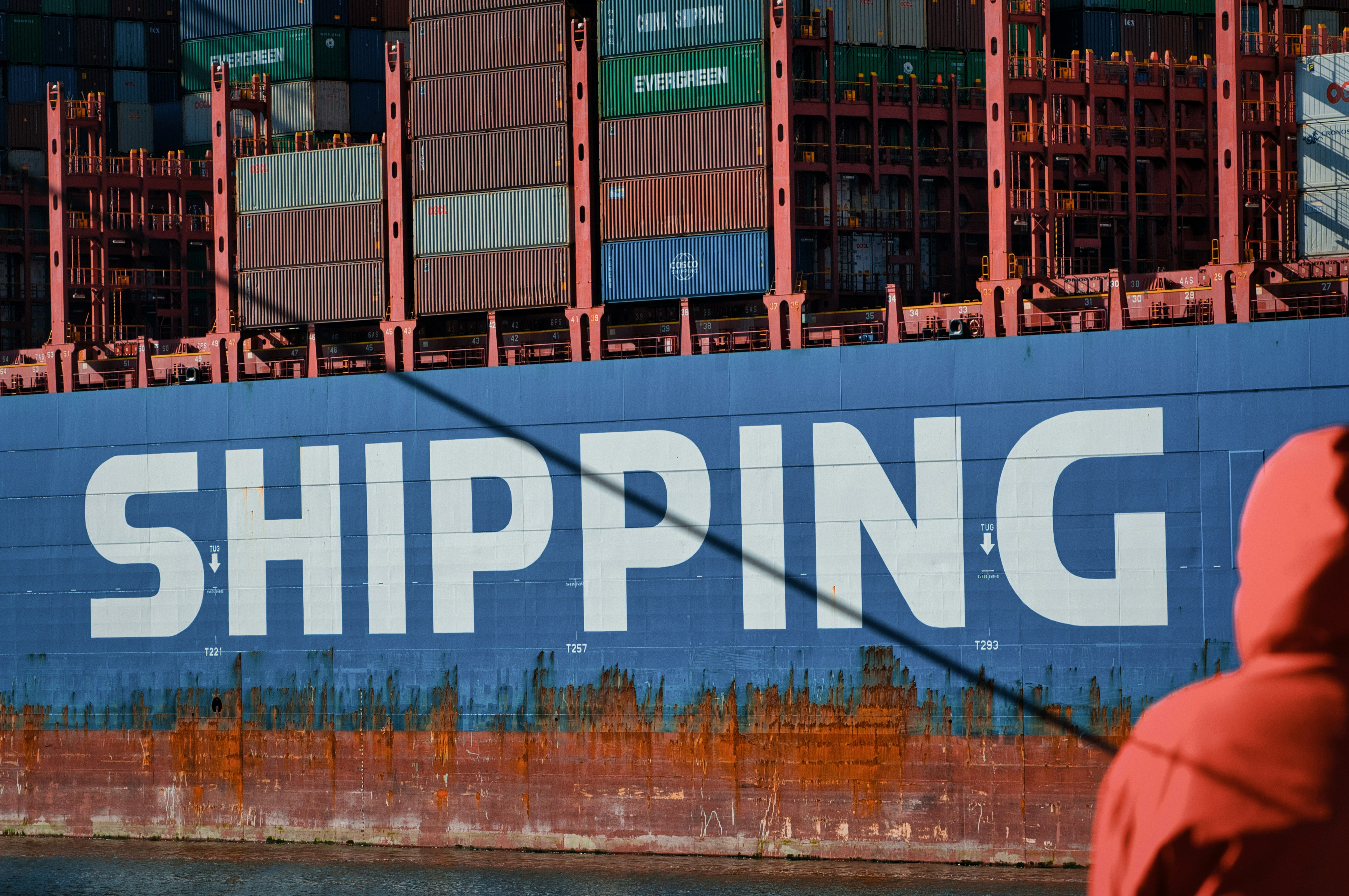
In a significant development aimed at alleviating trade tensions between the United States and China, the Chinese government has decided to suspend special port fees for all US-owned or operated ships for a duration of one year. This decision marks a notable shift in trade practices, as previous regulations imposed additional costs on US shipping companies, which often translated into higher prices for consumers. By suspending these fees, China aims to foster a more cooperative trade environment, enhancing its relationship with one of its largest trading partners.
The motivation behind this suspension is multifaceted. Primarily, China seeks to bolster its appeal as a shipping hub amid ongoing global supply chain disruptions, exacerbated by the COVID-19 pandemic and geopolitical uncertainties. This gesture can be seen as an effort to attract more US businesses to utilize Chinese ports, thereby increasing overall trade volumes. Furthermore, by improving operational efficiency and reducing shipping costs for US entities, Chinese ports can expect to enhance their competitiveness on the global stage.
For US businesses and shipping companies, the suspension of special port fees presents multiple potential benefits. Firstly, by eliminating additional financial burdens, companies can experience significant cost savings, allowing them to redirect resources towards innovation and expansion. This, in turn, can lead to a more robust supply chain and improved delivery times, which are crucial for maintaining customer satisfaction in a fast-paced market. Additionally, increased collaboration between US companies and Chinese port authorities could result in streamlined customs processes and expedited shipping timelines.
This development stands in stark contrast to prior trade practices that often involved tariffs and various fees, which were a source of considerable friction between the two nations. The suspension of these fees not only provides immediate economic relief but also symbolizes a willingness to engage in constructive dialogue and cooperation moving forward.
Impact on Global Trade and Economic Relations
The recent suspension of special port fees between the United States and China marks a significant development in the landscape of global trade and economic relations. This strategic decision is expected to ease tensions, potentially signaling a thaw in the historically fraught relationship between the two largest economies in the world. By mitigating some financial burdens associated with shipping and logistics, both nations may find common ground, ultimately facilitating smoother trade flows and enhancing economic cooperation.
As the US and China navigate this new path, other countries will likely react with cautious optimism. Trade partners may interpret the suspension of fees as a positive indicator, encouraging them to seek better terms in their own negotiations with these superpowers. A resurgence in US-China trade dynamics could stimulate global exports and imports, potentially leading to increased economic growth for nations reliant on both markets. Furthermore, countries located within the Asia-Pacific region may particularly benefit, as the easing of trade barriers boosts their access to these influential economies.
The ripple effects from this decision are expected to be felt in global markets, particularly in industries heavily reliant on trade with the US and China. Sectors like manufacturing, agriculture, and technology, which are often subject to tariffs and trade restrictions, stand to gain from reduced costs associated with the suspension of special port fees. Moreover, this development may serve as a precursor to future negotiations concerning tariffs, with both nations potentially exploring pathways to streamline trade further.
It is essential to monitor how this suspension affects future negotiations and engagement strategies. If successful, it could create a precedent for further collaboration and create opportunities to address broader trade grievances, ultimately fostering a more stable global economic environment.
Future Outlook: Opportunities and Challenges Ahead
The recent suspension of special port fees between the United States and China marks a significant development in their complex trade relationship, presenting a mixture of opportunities and challenges in the foreseeable future. This decision not only alleviates immediate trade pressures but also creates possibilities for enhanced collaboration between the two nations. Businesses that engage in international trade can benefit from reduced operational costs, which may lead to price stability for consumers and potentially increased market growth. Opportunities may arise particularly in sectors such as technology, agriculture, and manufacturing, where American and Chinese firms can leverage their strengths to create mutually beneficial trade agreements.
However, despite these opportunities, significant challenges remain that could hinder progress. Political tensions, particularly concerning issues of international security and human rights, pose risks that could disrupt trade stability. Policymakers in both nations will need to navigate these sensitive areas carefully to avoid exacerbating tensions. Additionally, economic factors such as inflation rates, currency fluctuations, and shifts in global supply chains could affect the dynamics of US-China trade relations. International businesses must remain vigilant and adaptable, as unforeseen developments could strain trade agreements that are currently viewed as promising.
Moreover, the global trade environment continues to evolve, influenced by factors such as technological advancements and changing consumer preferences. The rise of digital trade and e-commerce presents both a challenge and an opportunity for businesses as they must adapt to new methodologies while navigating regulatory landscapes. In conclusion, while the suspension of special port fees indicates a positive step towards improved relations, the path forward will require careful collaboration, proactive measures to address existing challenges, and an agile approach to capitalize on the myriad opportunities available in this ever-changing economic landscape.
You might also like:
- The Pulse of the Planet: 24-Hour World News Coverage
- South Korea’s Caution and Commitment to Dialogue with North Korea
- Cancellation Controversy: K-Pop Show Shrouded in Scandal
- Rasmus Hojlund’s Transfer Value Soars Following Stellar Performance
- An Overview of the United States of America: History, Diversity, and Global Influence