
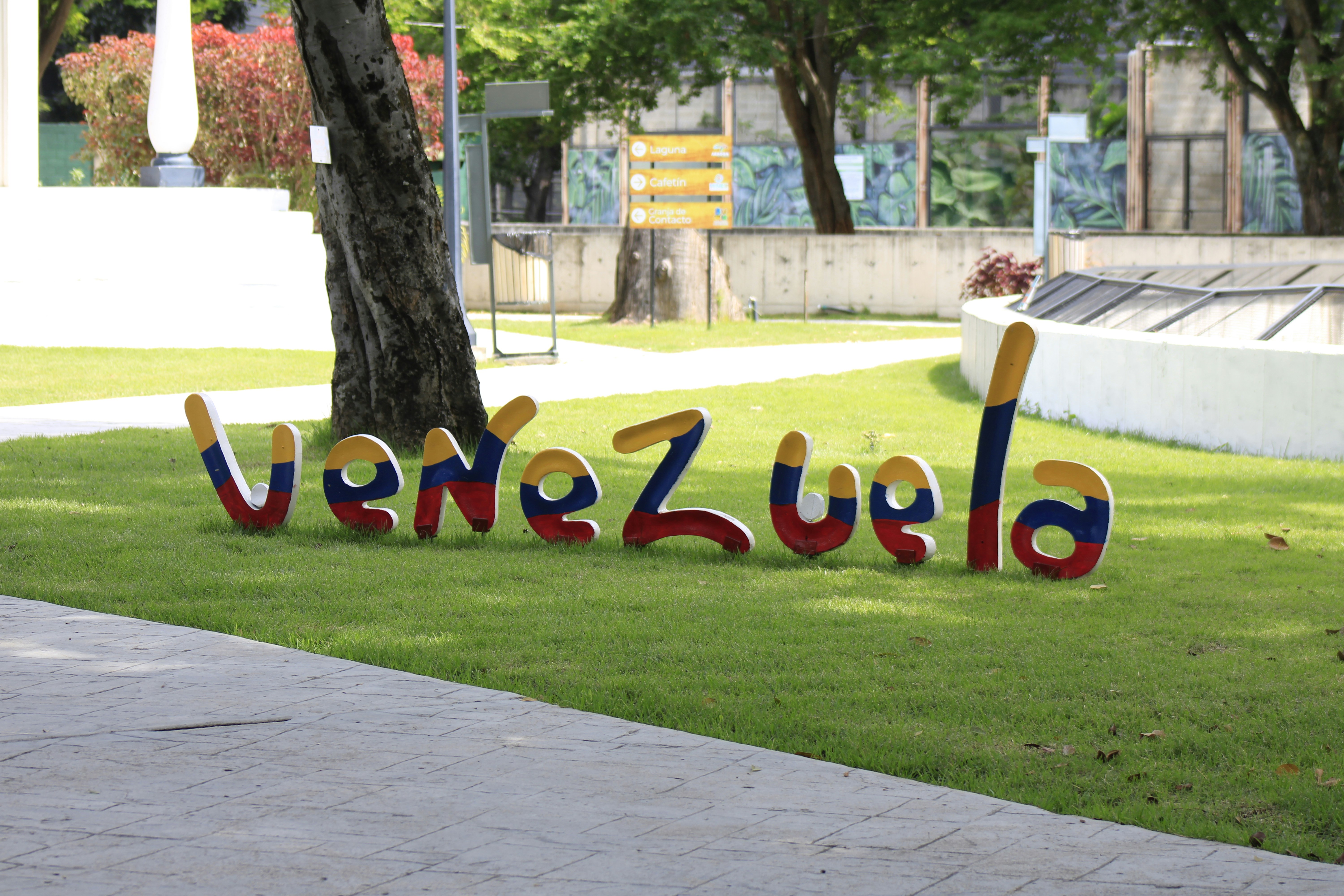
Background of the Venezuelan Crisis
The Venezuelan crisis has developed over two decades, significantly impacting the nation’s political, economic, and humanitarian standing. The roots of this crisis can be traced back to the rise of Hugo Chávez in 1999. Chávez, elected on a platform of socialist reforms, implemented extensive changes aimed at redistributing wealth and empowering the poorer segments of society. While initial policies led to improvements in certain social indicators, reliance on oil revenue and a lack of diversification proved detrimental. As global oil prices fell, Venezuela’s economy began to unravel, exposing vulnerabilities that had been masked for years.
The economic decline was exacerbated by a series of policy decisions under the Chávez administration and subsequently under Nicolás Maduro, who ascended to power in 2013. A significant drop in production, mismanagement of resources, and corruption led to hyperinflation, soaring unemployment, and shortages of basic goods and medicines. The International Monetary Fund (IMF) has projected that the inflation rate reached staggering heights, effectively decimating the purchasing power of the average Venezuelan. This economic turmoil has had dire consequences for the population, leading to a humanitarian crisis characterized by malnutrition and widespread poverty.
Amid this chaos, political tensions have sharply intensified. The Maduro administration has faced allegations of authoritarianism, electoral fraud, and the suppression of dissent. In response, various domestic and international actors have called for a regime change. Economic sanctions imposed primarily by the United States have aimed to pressure Maduro into relinquishing power, yet these measures have also contributed to the deepening of the humanitarian situation. As a result, millions of Venezuelans have fled the country, seeking refuge in neighboring nations. This multifaceted crisis has drawn significant global attention, with the United States positioning itself as a key player in addressing Venezuela’s future.
Trump’s Administration and Foreign Policy Approach
Donald Trump’s administration adopted a distinct foreign policy strategy characterized by a blend of assertive rhetoric and targeted actions, particularly towards Latin America and, more specifically, Venezuela. Early in his presidency, Trump expressed a clear stance against the Maduro regime, marking a shift from previous administrations that often favored diplomatic dialogues and negotiation models. Trump’s strategy was rooted in a commitment to promoting democracy and human rights, particularly in countries experiencing authoritarian rule.
The administration employed a multi-faceted approach to undermine the Maduro government, which included the implementation of sweeping sanctions targeting government officials, state-owned enterprises, and the oil sector. These economic sanctions aimed to isolate the regime financially and amplify the hardships faced by the Venezuelan economy, which is heavily reliant on oil exports. Trump’s administration argued that such measures were necessary to restore democratic governance in Venezuela and alleviate the suffering of its people.
In addition to economic sanctions, the Trump administration provided support for opposition leaders, such as Juan Guaidó, who declared himself interim president in early 2019. The United States recognized Guaidó as the legitimate leader of Venezuela, dramatically escalating diplomatic tensions. This support included promises of financial assistance and political backing on international platforms, which sought to legitimize the opposition’s calls for democracy in the face of a regime accused of widespread human rights abuses.
Trump’s interventionist rhetoric often drew comparisons to earlier U.S. foreign policies in Latin America, particularly those involving direct U.S. involvement in regime change or support for dissident movements. While past administrations utilized varying strategies ranging from containment to negotiation, Trump’s approach signaled a readiness to apply pressure through sanctions and overt support for regime change efforts, significantly influencing the course of U.S.-Venezuela relations during his presidency.
Signals of U.S. Intervention: What Has Been Said?
In recent years, the situation in Venezuela has drawn considerable attention from the United States, especially during the Trump administration. President Trump’s stance on Venezuela has been marked by a series of statements that suggest a potential military intervention. For instance, during a speech in Miami in 2019, Trump stated, “All options are on the table,” a phrase that many interpreted as an implicit threat of military action against the Venezuelan government. This statement was made amidst growing concerns regarding the humanitarian crisis and political turmoil in Venezuela, reflecting an urgent response to the deteriorating conditions.
Furthermore, Trump’s administration adopted a series of sanctions targeting Venezuelan officials and the country’s oil industry, a strategy to exert pressure on Nicolás Maduro’s regime. These sanctions were often accompanied by rhetoric that hinted at supportive measures for opposition leaders, with Trump expressing his backing for Juan Guaidó, who declared himself interim president in early 2019. In interviews, Trump reiterated the need to restore democracy in Venezuela, emphasizing that the United States would stand with the Venezuelan people while subtly indicating a readiness to take further action.
The response to these signals from international audiences has been mixed. Some Latin American countries, particularly those aligned with the U.S., have supported these initiatives, viewing them as a necessary approach to counter authoritarianism in the region. Conversely, nations such as Russia and China have vehemently opposed any form of military intervention, arguing that it would violate international law and further destabilize the region. The implications of this division are significant, highlighting the challenging landscape of international relations surrounding the Venezuelan crisis.
In conclusion, President Trump’s statements and actions regarding Venezuela have created a complex narrative that suggests military intervention could be considered an option. The international reaction underscores the delicate balance of regional stability and the legality of U.S. involvement, making this a significant topic in global discussions on intervention and sovereignty.
Possible Consequences of U.S. Intervention in Venezuela
The escalating crisis in Venezuela presents a complex scenario that carries significant ramifications should the United States choose to intervene militarily or through other assertive means. One of the most immediate risks associated with such intervention is the potential for escalating conflict. Venezuela’s political landscape is already fraught with tension, and U.S. involvement could lead to an intensification of hostilities, both within the country and against U.S. interests abroad. This escalation could exacerbate the current humanitarian crisis, displacing more individuals and straining already limited resources.
Furthermore, intervention could provoke a considerable backlash from global powers such as Russia and China, who have historically supported the Maduro regime. These nations may view U.S. actions as a direct threat to their strategic interests in Latin America, prompting them to increase military or economic support for Venezuela. The geopolitical landscape could become more volatile, influencing not only the stability of Venezuela but also regional security and international relations.
Long-term implications for U.S.-Latin America relations also warrant consideration. Historically, U.S. interventions in Latin America have often resulted in resentment and distrust among local populations. Engaging in a military operation could further alienate U.S. allies in the region and hinder efforts for cooperative solutions to shared challenges beyond Venezuela. It may create an environment where diplomatic relations suffer and trade partnerships weaken, which could have adverse consequences for U.S. interests in Latin America.
Lastly, exploring alternative strategies for addressing the crisis in Venezuela, such as increased diplomatic engagement or targeted economic sanctions, might yield a more peaceful and sustainable resolution. By prioritizing dialogue and collaboration with Latin American countries, the U.S. can work towards restoring stability without resorting to force. Ultimately, a careful analysis of the potential consequences of intervention may guide policymakers in making decisions that prioritize both national and regional stability.
You might also like:
- Dallas Crime and Community Safety: A December 2025 Overview
- Kylian Mbappé Hits 400 Career Goals: A Milestone Worth Celebrating
- G-Dragon: Breaking Records and ‘Sold Out’ Success in Vietnam
- Public Hearing on New York State’s Water Service Lead Line Replacement Program
- Crude Oil Prices Surge: A 24-Hour Jump Amid US Sanctions on Russian Oil Companies