
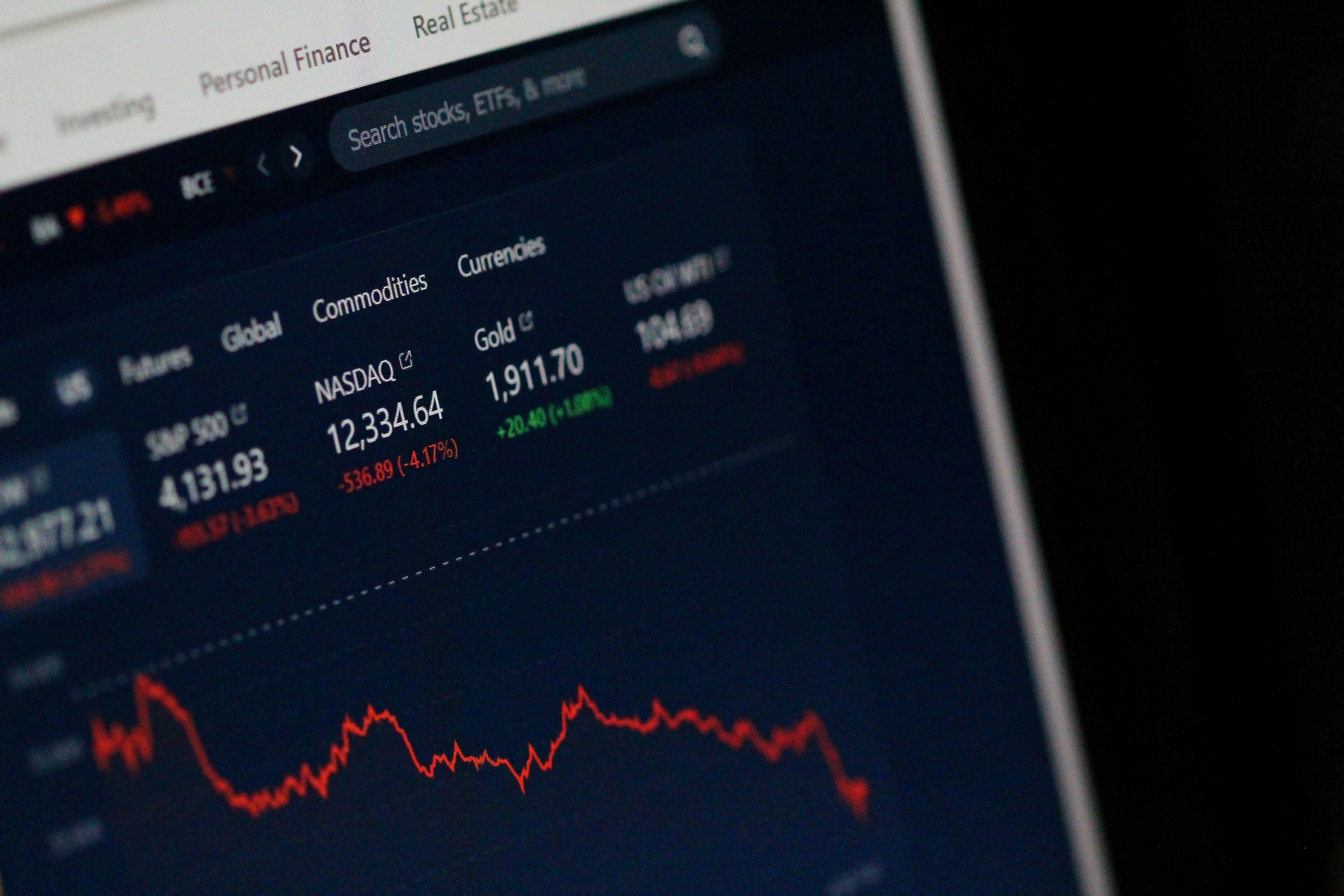
Overview of the Recent Stock Market Rally
In recent weeks, the US stock market has witnessed a notable rally, characterized by significant gains across major indices. This surge has been particularly evident in the Dow Jones Industrial Average, which has achieved new record highs, reflecting investor confidence and positive market sentiment. The rally has been driven by a combination of strong corporate earnings, favorable economic indicators, and a resilient consumer sector, all contributing to the upward momentum in stock prices.
Key benchmarks, including the S&P 500 and Nasdaq Composite, have also shown impressive performance, with the S&P 500 recently hitting levels not seen since early 2022. Investors have reacted positively to earnings reports that have surpassed expectations, boosting the outlook for many companies. Additionally, optimism surrounding ongoing economic recovery from the impact of the pandemic has further fueled this market rally.
Several factors have been instrumental in propelling the stock market upward. One significant driver has been the Federal Reserve’s monetary policy, which continues to maintain low interest rates, making borrowing more accessible and encouraging investment in equities. Furthermore, structural changes in the economy and shifts in consumer behavior have fostered growth in various sectors, particularly technology and consumer discretionary sectors, providing additional impetus to the overall market.
While the rally has raised questions regarding sustainability and potential corrections, the current momentum suggests a robust recovery for the US stock market. Investors are closely monitoring economic data and corporate announcements as they gauge the trajectory of this rally. It is crucial to understand these developments as they set the stage for future market performance and investor strategy.
The Role of the Federal Reserve in Market Performance
The Federal Reserve, often referred to as the Fed, plays a pivotal role in determining the performance of the stock market through its monetary policy, particularly its interest rate adjustments. By influencing the cost of borrowing and the general availability of credit, the Fed can create an environment that promotes or stifles economic growth. When the Fed decides to lower interest rates, borrowing becomes cheaper for consumers and businesses. This can lead to increased spending and investment, ultimately supportive of stock market rallies.
Recent expectations surrounding potential rate cuts have contributed significantly to investor confidence. As market participants anticipate that the Fed may reduce rates to stimulate growth amid economic uncertainty, this speculation tends to buoy stock market performance. Investors often react favorably to the prospect of lower borrowing costs, viewing it as a signal for future economic expansion, which has a positive impact on corporate earnings forecasts. When the Fed signals a tendency toward a more accommodative monetary policy, it can encourage a bullish sentiment on Wall Street, leading to new record highs in stock indices.
Historically, the relationship between Federal Reserve actions and the stock market has been well documented. For instance, during the post-2008 financial crisis period, the Fed implemented several rate cuts and quantitative easing measures that significantly bolstered market recovery. These moves resulted in a prolonged bull market that lasted over a decade. However, this strategy also raises questions regarding the potential for asset bubbles and the sustainability of such growth. As the Fed continues to navigate the ever-evolving economic landscape, its decisions and the resulting market implications remain critical for both investors and policymakers alike.
Technology Stocks and Market Optimism
The recent rally in the US stock market has largely been fueled by investor optimism surrounding technology stocks. As one of the most resilient sectors, technology has demonstrated an exceptional ability to innovate and adapt, which has resulted in significant gains for key tech companies. Giants such as Apple, Microsoft, and Alphabet have seen their stock prices soar to unprecedented heights, reflecting strong earnings reports and a robust outlook for future growth.
Investor sentiment toward these technology stocks has been largely positive, driven by the ongoing digital transformation across industries. With businesses increasingly relying on cloud computing, cybersecurity, and artificial intelligence, the demand for technology solutions has grown rapidly. This trend has instilled confidence in investors, who anticipate that tech companies will continue to thrive in this evolving landscape. Moreover, advancements in 5G networks and the rise of the Internet of Things (IoT) are further enhancing the potential of tech stocks as pivotal players in the economic recovery.
In addition to established firms, the tech sector has also witnessed a surge in valuations for emerging companies, particularly in areas such as fintech and healthtech. The influx of venture capital into these spaces indicates that investors are keenly aware of the opportunities presented by innovation. This optimism is evident in the stock market’s performance, as technology indices have outperformed their peers, showcasing resilience amid economic uncertainties.
However, this enthusiasm must be approached with caution, as market dynamics can shift rapidly. Factors such as rising inflation, interest rate adjustments, and regulatory scrutiny could impact the trajectory of these stocks. Nevertheless, the interplay between technological advancements and market optimism continues to be a defining element of the current economic climate, making technology stocks a focal point for both investors and analysts alike.
Future Outlook for the Stock Market
The future outlook for the stock market remains a topic of intense interest among investors, analysts, and financial experts. While Wall Street has recently celebrated record highs, various factors may influence the trajectory of the market in the coming months. One of the most significant aspects affecting market dynamics is the Federal Reserve’s monetary policy. Any shifts in interest rates could lead to substantial changes in investor sentiment and spending power, thus impacting stock valuations.
In addition to interest rates, the ongoing economic recovery from the impacts of the COVID-19 pandemic remains a critical consideration. Experts suggest that while growth may continue, supply chain disruptions and labor shortages could pose challenges. These factors might lead to inflationary pressures, which could, in turn, result in increased market volatility. Investors should remain vigilant regarding these developments and their potential repercussions on the economy and the stock market.
Technological advancements also present opportunities for growth within the stock market. As innovation accelerates across various sectors, companies that adapt to new technologies may see substantial gains. The trend towards digitalization and green energy investments continues to attract attention. Analysts project that sectors aligned with these trends might outperform others, making them attractive for investment portfolios.
Finally, geopolitical tensions and policy changes can introduce unpredictability in market behavior. Investors may want to watch for potential regulatory changes or international trade developments that could impact specific industries. Balancing these risks with the opportunities identified will be crucial for navigating the future landscape of the US stock market.
In summary, the outlook for the stock market is shaped by a complex interplay of factors including monetary policy, economic recovery, technological advancements, and geopolitical developments. Investors are encouraged to stay informed and prepared for potential fluctuations that may arise in this ever-evolving environment.