
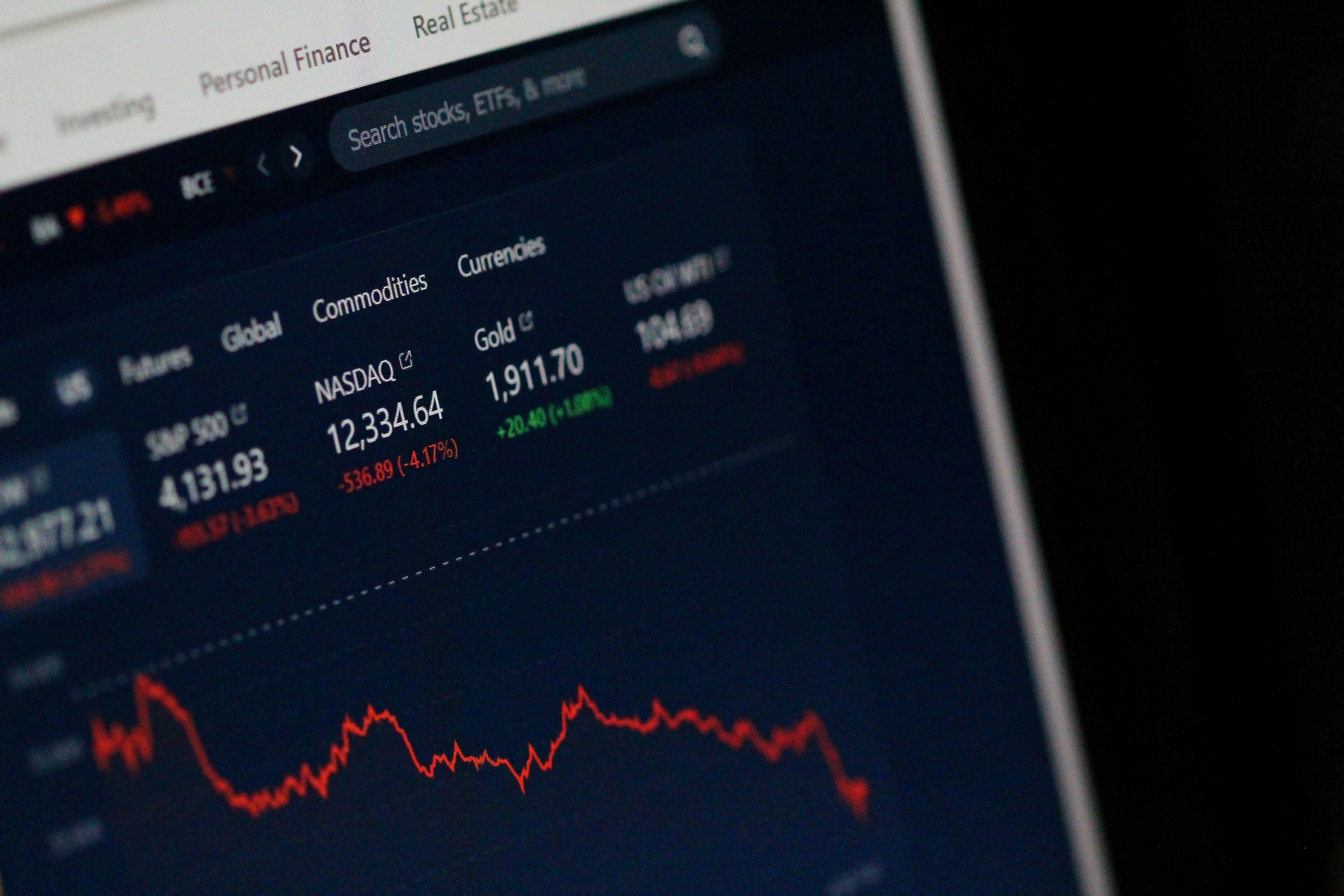
Overview of the Financial Market’s Current Climate
The recent trading sessions have been characterized by heightened volatility across global financial markets, reflecting a pervasive sense of uncertainty among investors. This cautious atmosphere has contributed to a predominantly negative sentiment, prompting many market participants to reassess their investment strategies. Market fluctuations have been driven by a confluence of factors, including geopolitical tensions, inflationary pressures, and potential shifts in monetary policy. As a result, traders have exhibited a risk-averse approach, leading to increased selling pressures in several segments of the market.
The influence of external factors cannot be understated in this context. For instance, ongoing concerns regarding interest rates have created a ripple effect throughout various asset classes. As central banks navigate the delicate balance between stimulating growth and curbing inflation, market participants remain on high alert for any signals that may indicate a change in policy direction. Furthermore, geopolitical events, such as trade disputes and diplomatic tensions, have added layers of complexity to market dynamics. These developments have frequently resulted in rapid price swings, underscoring the unpredictable nature of the current financial climate.
US Stock Market Performance on October 22
On October 22, the US stock market experienced a pronounced downturn, characterized by a significant drop across major indexes. The NASDAQ Composite led this decline, plunging by 1.32%. This downturn was primarily influenced by the performance of technology stocks, which have been a dominant force in the market throughout the year. Notably, several well-known tech companies faced increased selling pressure, leading to a broad-based retreat in the sector.
The decline in the NASDAQ Composite is indicative of broader concerns regarding market valuations, particularly in the technology sector. Investors appeared to react negatively to a combination of factors, including rising interest rates and disappointing earnings reports from major technology firms. Such developments have raised questions about the sustainability of growth within this sector, traditionally viewed as a strong performer in the market. Consequently, the apprehension led to a ripple effect, causing investors to reevaluate their positions within tech and related industries.
Other key indexes mirrored this negative sentiment on October 22. The S&P 500 fell by 1.06%, whereas the Dow Jones Industrial Average experienced a drop of 0.87%. This simultaneous fall across these indices suggests an overall lack of confidence among investors, as they grapple with economic uncertainties and potential shifts in monetary policy. The correlation between the indexes further highlights a concerning trend in market behavior, where investors are increasingly treading cautiously amidst fluctuating economic indicators and geopolitical tensions.
In examining the broader implications for investors, the downturn observed on October 22 signals the need for a careful reassessment of investment strategies, particularly within the volatile technology sector. As market dynamics continue to evolve, monitoring macroeconomic trends and company performance will be essential for making informed decisions moving forward.
Impact of Technology Stocks on Market Sentiment
The performance of technology stocks has a profound influence on market sentiment, often acting as a barometer for investor confidence in broader financial markets. In recent weeks, we have observed a notable decline in major U.S. technology companies, which has contributed significantly to the overall downturn in market performance. Notable names like Apple, Microsoft, and Meta Platforms experienced sharp declines, leading to a ripple effect throughout the stock market.
Several factors have contributed to the underperformance of these tech giants. High inflation rates and the increasing cost of capital, spurred by rising interest rates, have made investors wary. These economic pressures have resulted in a reevaluation of the growth expectations that have long fueled the technology sector’s ascent. Moreover, concerns over supply chain disruptions and geopolitical tensions have further exacerbated the uncertainties surrounding these stocks.
The implications of these challenges extend beyond individual companies; they reflect a broader sentiment shift within the technology sector. Investors are increasingly cautious, leading to a potential downturn in technology stocks’ valuations and the sector’s appetite for risk. As these stocks often symbolize innovation and growth, their decline raises questions about the sustainability of previous market dynamics.
Looking ahead, it is crucial for investors to monitor emerging trends within the technology space. The shift towards artificial intelligence, renewable energy technology, and cybersecurity may present new opportunities amidst the volatility. As tech companies adapt to changing market conditions, their ability to innovate and maintain competitive advantage will be essential. For those navigating this turbulent environment, a strategic approach involving thorough research and awareness of market conditions is advisable. In conclusion, understanding the impact of technology stocks on market sentiment is vital for making informed investment decisions in these unpredictable times.
Gold Prices and Their Correction: An Analytical Perspective
The recent trading session witnessed a notable correction in gold prices, prompting critical analysis of the underlying factors contributing to this shift. For years, gold has maintained its status as a safe-haven asset, particularly during periods of heightened market volatility. However, the dynamics have evolved, resulting in a significant reassessment of its value. The fluctuation in gold prices can be attributed to various influences, including changes in market sentiment, macroeconomic indicators, and shifts in investor behavior.
One of the primary factors affecting gold prices is the changing sentiment among investors. As economic indicators suggest potential growth or stabilization, confidence in riskier assets often increases, causing a dip in gold prices. The recent trading session illustrated this shift, as positive employment data and expectations of interest rates remaining unchanged encouraged investors to prefer equities over traditional safe havens like gold.
Additionally, geopolitical tensions, which typically drive investors toward gold, exhibited a different impact during this trading session. Although uncertainties persisted, the overall risk appetite appeared resilient, resulting in a diminished demand for gold. This behavior is indicative of a market that is beginning to recalibrate its perception of value and risk, prompting a re-evaluation of the role that precious metals play during economic fluctuations.
For investors in precious metals, this correction presents both opportunities and challenges. While the long-term prospects for gold remain intact, short-term volatility necessitates a more strategic approach to investment. The implications of gold’s recent decline extend beyond individual portfolios, as they signify broader trends within the financial market. Understanding these trends is crucial for those navigating the complexities of investing in commodities and the ensuing effects on the overall economic landscape.