
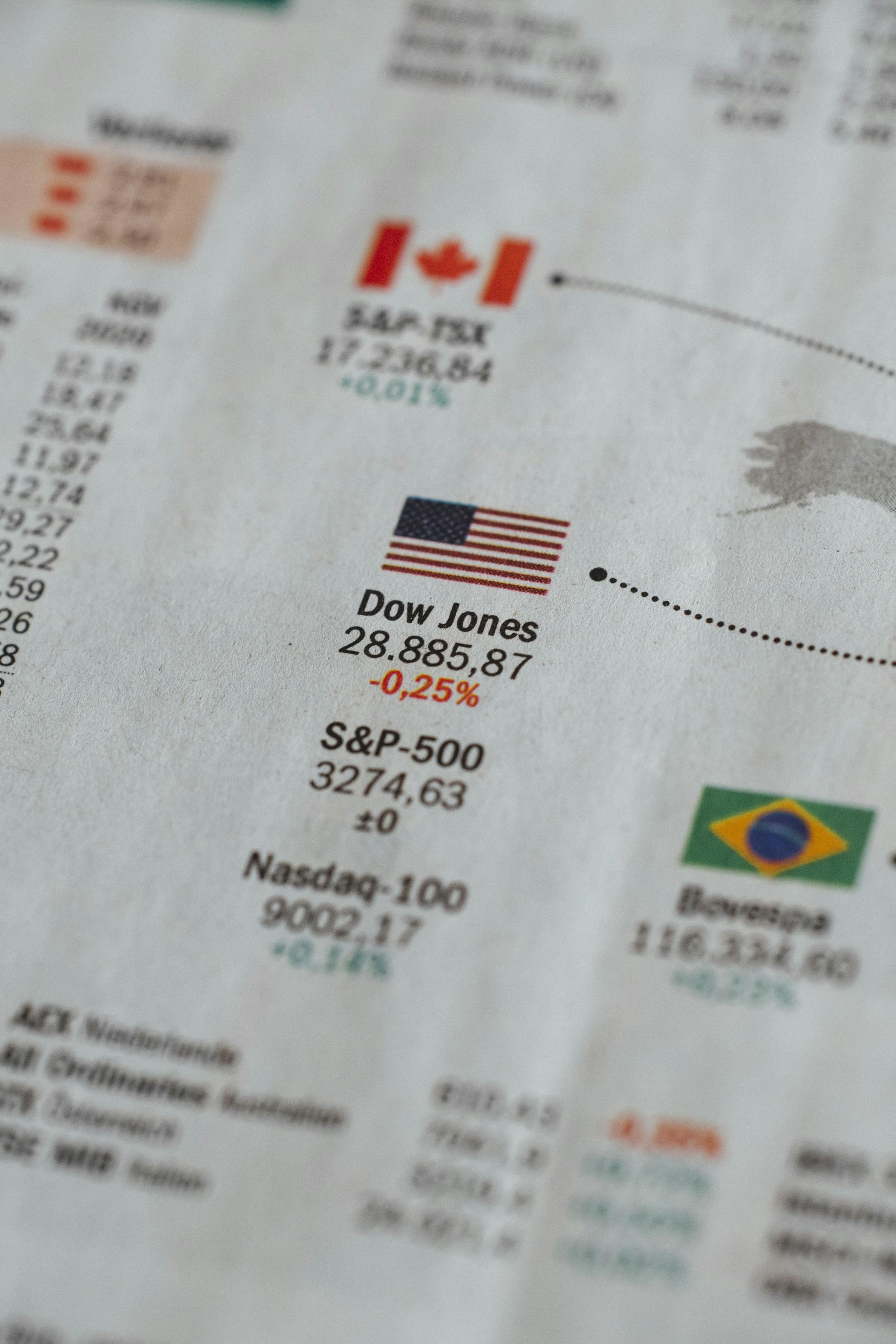
Overview of Wall Street’s Performance
Throughout the week ending November 15, 2025, the US stock market exhibited a mixed performance, characterized by notable fluctuations among the primary indices. Investors navigated through a landscape marked by both upward momentum and downward pressure, reflecting a blend of economic indicators and sentiments affecting market behavior. The Dow Jones Industrial Average experienced a decline, registering a loss as it struggled under the weight of selling pressure from several sectors. This downturn underscores the volatile nature of large-cap stocks, which have been influenced by emerging economic data and geopolitical uncertainties.
Conversely, the S&P 500 demonstrated resilience amidst intricate market dynamics, managing to show moderate gains throughout the week. This index benefitted from strong performances in sectors such as technology and healthcare, which have been pivotal in driving overall market sentiment. The balance in sectoral performance highlights the importance of diversification in investment strategies, where particular segments thrive while others face challenges.
The NASDAQ, heavily weighted towards technology equities, mirrored this mixed performance with pronounced fluctuations. While some tech shares experienced notable surges, particularly in innovative fields such as artificial intelligence and renewable energy, others faced headwinds, contributing to the index’s uneven performance. The contrasting trends among these major indices are significant for investors, illustrating the complexities of market sentiment and economic fundamentals at play.
Understanding these fluctuations in Wall Street’s performance during this week is crucial for both seasoned investors and new entrants in the market. The divergent paths of the Dow, S&P 500, and NASDAQ serve as reminders of the complexities inherent in stock market investments and the importance of careful analysis when navigating such a multifaceted landscape.
Factors Influencing Dow Jones Decline
The recent decline of the Dow Jones Industrial Average by 0.65% has sparked discussions among investors and analysts alike. Several intertwined factors contribute to this downturn, notably the selling pressure observed in both the industrial and financial sectors. These sectors, which are pivotal in the movement of the Dow, have experienced increased volatility due to broader economic concerns.
One of the primary catalysts for the decline can be traced back to disappointing economic indicators released over the past week. Key metrics such as slowed manufacturing activity and a contraction in durable goods orders raised red flags about the pace of economic growth. These indicators often affect investor confidence, prompting a sell-off in shares of companies, particularly those within the industrial sector.
Moreover, corporate earnings reports have not been as robust as anticipated. Several major corporations, including financial institutions, reported earnings that fell short of expectations. Weak earnings can lead to negative sentiment among investors, resulting in stock price drops exacerbated by ongoing selling pressure. Additionally, uncertainty surrounding interest rate adjustments by the Federal Reserve loomed over market participants, influencing their trading decisions.
Investor sentiment is another crucial factor contributing to the recent performance of the Dow. A domino effect stemming from geopolitical tensions and inflation concerns can lead to risk aversion. As investors look for safe havens or consider reallocating their portfolios, the stock market may experience increased selling, particularly in more vulnerable sectors like industrials and finances, which are often considered more cyclical.
In summary, the notable decline of the Dow Jones Industrial Average can be attributed to a combination of economic indicators, underwhelming corporate earnings reports, and prevailing investor sentiment. Understanding these factors provides insight into the current market dynamics that are shaping investor behavior and stock performance.
Impact on Other Major Indices
Throughout the week, selling pressure on the Dow Jones Industrial Average has had significant implications for other major indices, notably the S&P 500 and NASDAQ. This relationship highlights the interconnected nature of these indices, which often react to similar economic conditions and investor sentiment. As the Dow encountered declines, the S&P 500 mirrored this trend to a degree, reflecting a broader apprehension in the equity markets.
The S&P 500, comprising 500 of the largest publicly traded companies in the United States, witnessed notable fluctuations that paralleled the Dow’s trajectory. This correlation is indicative of an overarching market sentiment that tends to unveil itself during periods of volatility. While the S&P 500 declined, investor caution rose, which generally influences stock purchasing behavior across various sectors represented in this comprehensive index.
Conversely, the NASDAQ, heavily weighted towards technology stocks, displayed a somewhat contrasting movement. Unlike the Dow and the S&P 500, the NASDAQ has shown resilience amidst the downturn, largely due to the performance of leading tech giants that continue to innovate and expand despite broader market challenges. This divergence suggests that while some sectors are under pressure, others remain robust, presenting mixed prospects for investors.
Such interactions among the indices are critical for understanding the market dynamics at play. Investors must recognize the implications of these movements, as they may indicate potential opportunities or reveal increased risks. The contrasting performance not only signals the resilience of certain sectors but also emphasizes the importance of portfolio diversification in navigating the current landscape. Thus, while the Dow and S&P 500 may reflect a bearish trend, the performance of the NASDAQ suggests that not all stocks are equally affected by prevailing market conditions.
Outlook for the Upcoming Week
The upcoming week presents a pivotal moment for investors as Wall Street navigates through a landscape characterized by mixed performance and heightened selling pressure. Analysts anticipate several key events that could influence market dynamics. Notably, the release of employment data is scheduled for later in the week, and expectations are centered around its implications for overall economic growth and interest rate decisions.
Moreover, the Federal Reserve’s upcoming statements are being closely monitored. As the market adjusts to recent economic indicators, any signals regarding alterations in monetary policy will likely result in fluctuations in stock prices. Investors should pay particular attention to how the Fed interprets inflation rates and employment figures, as these factors can significantly dictate market sentiment.
In addition to macroeconomic factors, corporate earnings reports are set to roll in next week. Major companies will disclose their quarterly results, providing insights into sector performance and ongoing economic impacts. Analysts predict varying outcomes, but the overall health of corporate earnings will be a crucial determinant for equity markets. Any positive surprises may bolster investor confidence, while disappointing results could exacerbate selling pressure already felt in the market.
Furthermore, geopolitical events pose additional variables that could influence investment strategies. Investors should monitor developments in international politics and their potential impact on trade and supply chains, as these factors remain critical in shaping market expectations.
In conclusion, staying informed about these developments will be essential for successfully navigating the upcoming week. Investors are advised to adjust their strategies based on the evolving situation, safeguarding their portfolios against potential volatility while seeking opportunities that may arise from these unique market conditions.





