
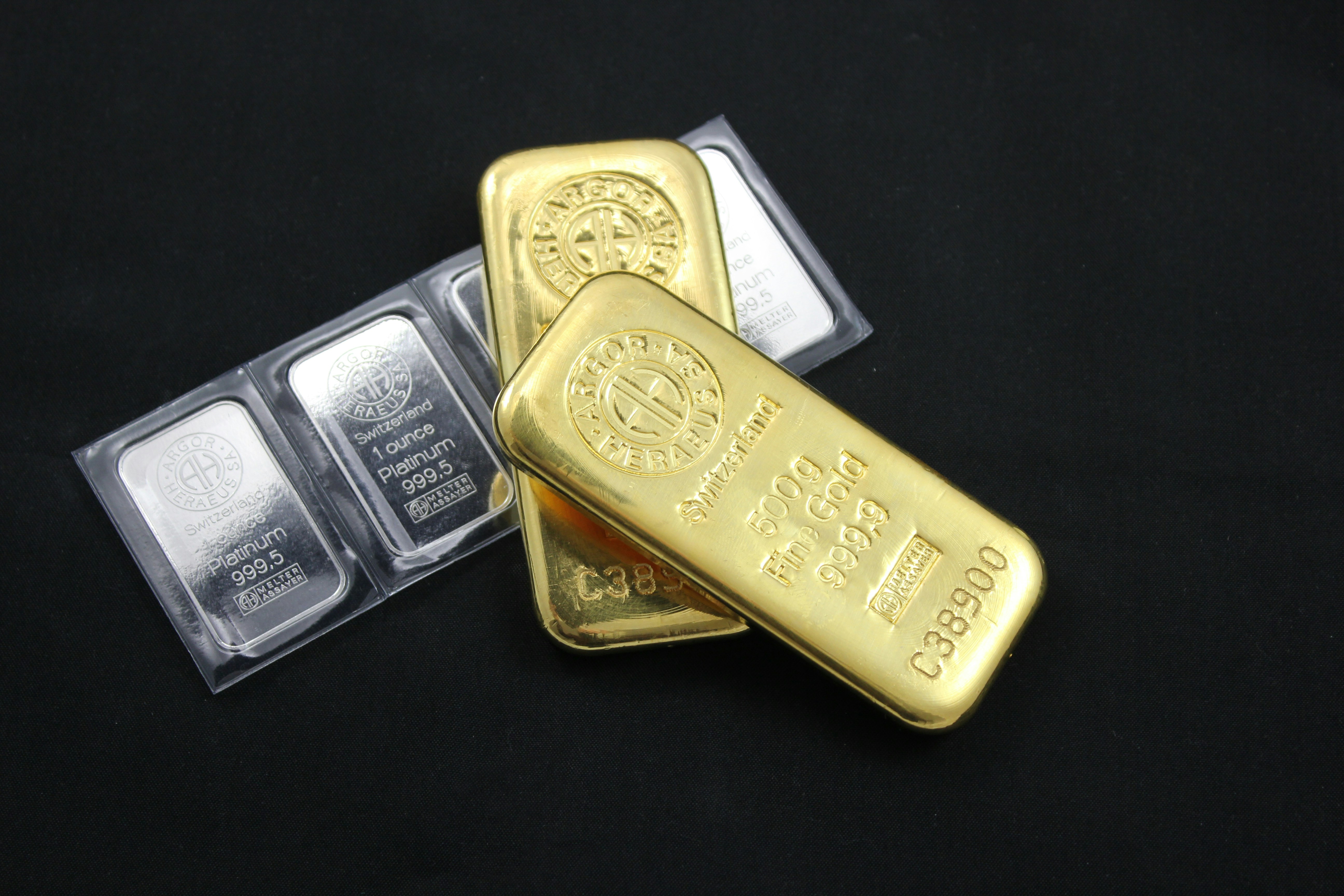
Understanding the Gold Market
The international gold market is a complex system characterized by various factors that influence the price of gold. Central to this market are key participants, including bullion banks, central banks, institutional investors, and individual traders. Bullion banks play a significant role as primary dealers that facilitate transactions and provide liquidity to the market. They trade gold on behalf of clients and engage in speculative activities, contributing to price fluctuations.
Central banks, as major players in the gold market, hold large reserves of gold. Their buying and selling activities impact global gold prices significantly. When a central bank decides to increase its gold reserves, market demand surges, often resulting in higher prices. Conversely, if a central bank liquidates gold holdings, it can lead to price drops. Thus, the policies and strategies of central banks are crucial in shaping the dynamics of the gold market.
Another important factor influencing gold prices is investor sentiment, which can shift dramatically due to geopolitical tensions or economic uncertainty. During periods of financial instability, investors often flock to gold as a “safe haven” asset, driving demand and prices upward. Economic indicators, including inflation rates and currency fluctuations, also play a critical role in determining gold’s market value. For instance, higher inflation typically leads to increased gold investments, as individuals seek protection from eroding purchasing power.
Similarly, when the value of major currencies, such as the US dollar, declines, gold prices generally rise since gold becomes cheaper for foreign investors. Hence, understanding the interconnections between these market factors is essential for analyzing the intricacies of gold price movements. The recent decline in gold prices can be attributed to a culmination of these factors, emphasizing the need for a comprehensive examination of their interplay.
Recent Price Decline: Causes and Implications
The recent plummet in gold prices, which have fallen below the pivotal $4,000 per ounce mark, can be attributed to a confluence of factors that have significantly impacted the international gold market. A primary driver for this downturn lies in shifting economic indicators. The global economy, following a period of recovery post-pandemic, has exhibited signs of inflationary pressures. Central banks, particularly in developed nations, have responded by tightening monetary policies, raising interest rates to combat inflation. As interest rates increase, the allure of non-yielding assets like gold diminishes, leading to a drop in investment demand.
In addition to monetary policy shifts, changes in investor sentiment have also played a critical role. The rise of alternative investment opportunities, propelled by advancements in technology and the increasing popularity of cryptocurrencies, has redirected some investor capital away from traditional safe-haven assets. These dynamics have resulted in a more volatile gold market, where investor confidence appears fragile.
Moreover, geopolitical tensions, from trade disputes to military conflicts, historically impact gold prices, albeit in complex ways. Recently, however, easing tensions in some regions have contributed to a decrease in demand for gold as a hedge against risk. Countries with significant gold reserves, such as Russia and China, are reassessing their strategies; this reassessment influences global supply and demand metrics.
The implications of this decline in gold prices are profound for various stakeholders. Investors may find themselves reevaluating their portfolios, looking at diversification, while mining companies may face reduced profits leading to potential layoffs or project cancellations. Governments that rely on gold revenues may experience budgetary constraints that could affect public services. Understanding these dynamics is essential, as they resonate throughout the economic landscape, affecting individual and institutional financial health alike.
Historical Context: Comparing Past Market Trends
To understand the current plummet in world gold prices, it is essential to examine historical market trends. Gold has long been perceived as a safe-haven asset, often seeing spikes in demand during economic uncertainty. Historically, the price of gold has exhibited cyclical behaviors, characterized by periods of significant highs and lows, influenced by various factors such as inflation, currency strength, and geopolitical events.
A notable comparison can be drawn to the period of the global financial crisis in 2008. During that time, gold prices surged as investors sought security amidst widespread economic instability, reaching approximately $1,900 per ounce in 2011. This can be contrasted with the recent trends, where gold reached record highs in 2020 amidst the COVID-19 pandemic but has since retreated, reflecting current macroeconomic shifts.
The recent decline in gold prices can also be likened to historical downturns, such as that of 2012–2015, when prices fell from a peak of around $1,900 per ounce to around $1,050. The drivers of these changes were multifaceted, involving not only economic recovery but also the strengthening of the U.S. dollar and rising interest rates. In both instances, market reactions were temporary adjustments rather than permanent declines, ultimately leading to recoveries in the gold market.
Charts illustrating these historical trends reveal that although the present decline may appear alarming, it is crucial to frame it within the broader context of gold price behavior over time. Such historical insights will help investors assess whether the current downturn represents a short-term volatility or a long-term trend that warrants deeper concern. It remains essential to monitor global economic indicators that could influence future gold prices, providing a clearer picture of the international gold market’s trajectory moving forward.
Future Outlook for Gold Prices
The international gold market is an ever-evolving landscape influenced by a myriad of factors, including economic performance, geopolitical tensions, and monetary policies. As market analysts peer into the future of gold prices, various predictions emerge, reflecting the complexities involved in forecasting this precious metal’s value. Presently, the consensus among experts suggests that gold may face both upward and downward pressures, leading to varied potential scenarios.
One significant factor driving gold prices is the forthcoming economic reports, particularly those related to inflation and employment. Should inflation trends remain elevated, demand for gold as a hedge may increase, bolstering its price. Conversely, if employment data shows robust growth, central banks might pivot toward tightening monetary policies, which historically can lead to a decrease in gold prices. As such, the labor market’s performance will be closely monitored for its potential impacts on gold investments.
Central bank policies, especially those of the Federal Reserve and other global institutions, will also play a crucial role in shaping gold’s trajectory. A decisive move toward interest rate hikes could dampen the appetite for gold, traditionally viewed as a non-yielding asset. In contrast, any dovish stance, aimed at stimulating economic activity, could renew investor interest in gold, significantly affecting its valuation in the near term.
Geopolitical tensions tend to amplify demand for gold as a safe haven asset. Escalating conflicts or uncertainties in major markets can lead investors to allocate more resources into gold, anticipating potential downturns in other asset classes. As we move forward, careful observation of these various factors will be essential for predicting and understanding the future of gold prices. While the outlook remains uncertain, the interplay of economic indicators, central bank strategies, and global events will undoubtedly shape the gold market’s dynamics.





