
Understanding Futures Contracts
Futures contracts are financial derivatives that obligate the buyer to purchase, and the seller to sell, a specific asset at a predetermined price on a specified future date. These contracts serve as a critical tool for price discovery and risk management in various financial markets. Their primary purpose is to hedge against the fluctuations in the price of an underlying asset, providing a level of protection for investors and businesses alike.
In essence, futures trading involves various participants such as hedgers, who seek to mitigate risks associated with price changes, and speculators, who aim to profit from these price movements. The mechanics of trading futures include entering into a contract that stipulates the quantity and quality of the underlying asset to be traded, the price, and the expiration date. The contracts are standardized and traded on exchanges, ensuring liquidity and transparency.
Additionally, futures contracts can be categorized into two main types: commodity futures and financial futures. Commodity futures involve physical goods, such as agricultural products, metals, and energy resources, allowing producers and consumers to lock in prices and manage their exposure to market fluctuations. Conversely, financial futures primarily pertain to financial instruments like stock indices, treasury notes, and currencies, providing opportunities for investors to speculate and leverage their positions in broader financial markets.
The significance of futures contracts extends beyond mere speculation. They play an instrumental role in enhancing market efficiency by facilitating price discovery, as futures prices reflect market expectations of future supply and demand. Furthermore, they contribute to the overall stability of financial markets by allowing participants to hedge against the volatility associated with asset prices. Understanding these aspects of futures contracts is essential for investors and market participants seeking to navigate the complexities of modern finance.
Current Market Sentiment in Futures Trading
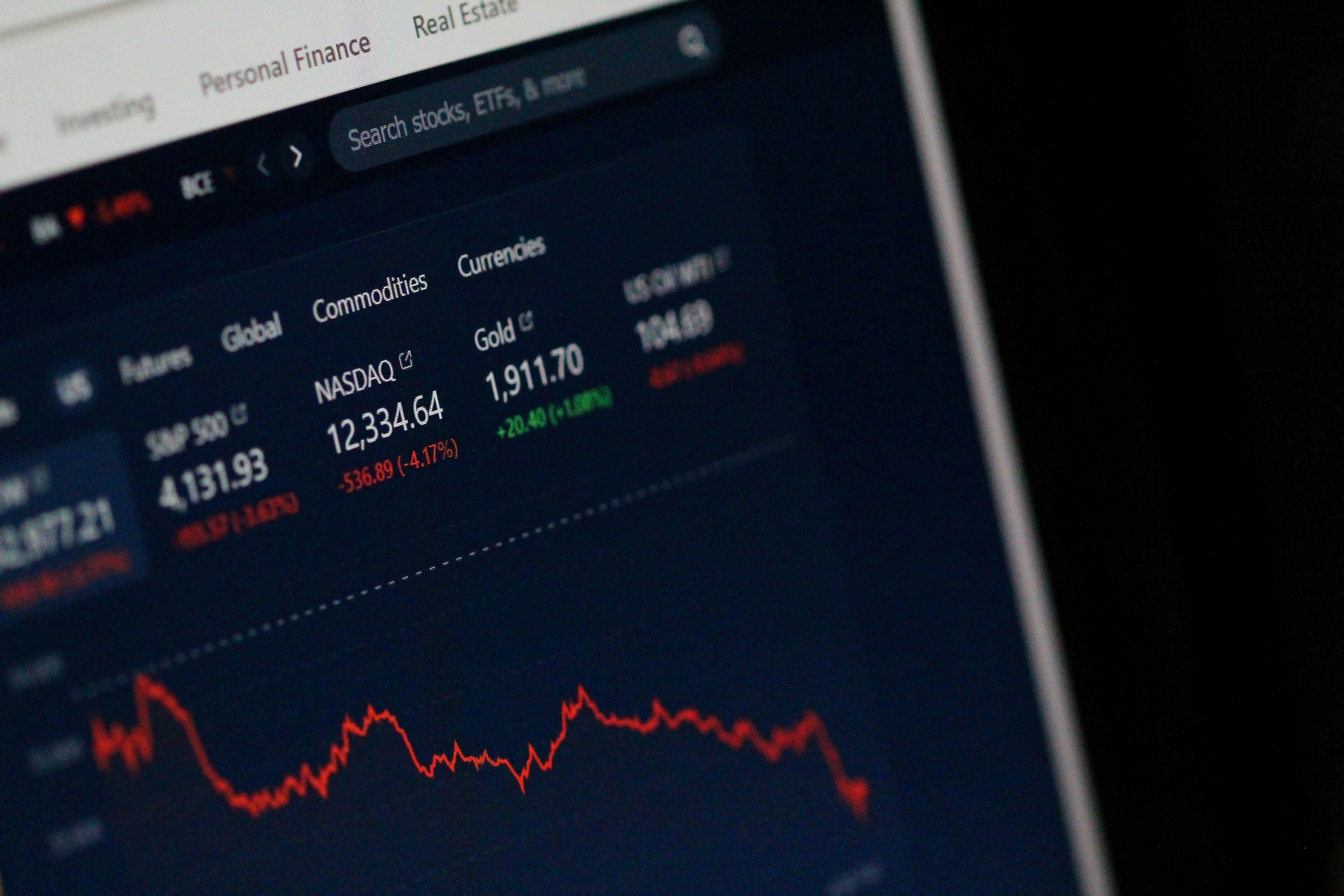
The market sentiment in futures trading, particularly towards the Dow Jones futures (often referred to as US 30), has shown a nuanced perspective in recent weeks. Traders have been closely monitoring the fluctuations in futures contracts as they serve as vital indicators of market expectations. Analyzing the latest movements, it appears that the sentiment is currently leaning towards cautiousness, characterized by slight declines in price levels. This behavior can be attributed to a confluence of economic factors, including inflationary pressures, interest rate adjustments, and geopolitical tensions, which have created an environment of uncertainty for investors.
As futures contracts are often reflective of trader outlooks, the recent decline in the Dow Jones futures suggests that market participants are adopting a more watchful stance. Many traders perceive these slight declines as signals of a potential market correction, prompting them to reassess their positions and strategies accordingly. Increased volatility in related asset classes further compounds this cautious sentiment, as traders grapple with various economic indicators that suggest a mixed outlook moving forward.
Moreover, the interpretation of futures data has evolved in light of the latest macroeconomic releases, including employment figures and consumer spending reports. These have contributed to ongoing discussions within trading circles about where the market direction is headed. While some traders remain optimistic, citing potential rebounds, the overall trend in Dow Jones futures appears to indicate a prevailing sentiment of uncertainty and a need for careful navigation. Consequently, traders are advised to remain vigilant and responsive to the emerging data, and to approach futures trading with a balanced perspective in this dynamic market environment.
Impacts of Sideways Trading on the Market
Sideways trading, characterized by a lack of significant upward or downward price movement, can have notable implications on futures contracts and the broader market. This phenomenon often arises from a combination of factors, including fluctuating economic indicators, corporate earnings reports, and geopolitical events. When traders encounter a stagnant market, it may signal uncertainty among investors, leading to cautious trading behavior.
Economic indicators play a crucial role in shaping market sentiment. For instance, key reports, such as employment figures, inflation rates, and GDP growth, can influence traders’ perceptions of market direction. If these indicators suggest a slowing economy or mixed signals, investors may choose to delay making significant trades, resulting in sideways price action. Earnings reports from major corporations also contribute to this environment; if companies report results that fail to meet expectations, it can deter investment, reinforcing a sideways trend. Furthermore, geopolitical tensions, such as trade disputes or political instability, can lead to uncertainty, causing traders to adopt a wait-and-see approach, further entrenching the market in stagnation.
In adapting strategies to respond to a sideways or declining futures market, traders often turn to various technical analysis tools to identify patterns or potential breakouts. Implementing range-trading strategies can be effective, as traders attempt to capitalize on price movements within established support and resistance levels. Additionally, utilizing options strategies can allow traders to hedge against potential market risks while seeking opportunities for profit. Moreover, maintaining a diversified portfolio can help mitigate the adverse effects of a flat market, ensuring that traders remain resilient amidst economic fluctuations.
Understanding the implications of sideways trading on the futures market is essential for participants actively seeking to navigate these periods effectively. As market dynamics evolve, adapting one’s trading approach becomes crucial to staying ahead in uncertain conditions.
What to Watch for in Upcoming Trading Sessions
As traders and investors prepare for the upcoming trading sessions in the futures market, several factors warrant close attention. Primarily, economic reports scheduled for release can significantly influence market sentiment, driving price movements and volatility. Key indicators, such as employment figures, inflation data, and GDP growth rates, should be monitored closely. For instance, upcoming job reports often influence the direction of futures contracts related to commodities and indices, as they reflect broader economic health and labor market conditions.
Additionally, it is crucial to consider geopolitical events that may impact market conditions. Trade negotiations, political instability, or changes in government policies can create uncertainty, prompting traders to adjust their strategies accordingly. As the global economy is interconnected, developments in one region could reverberate throughout the futures markets elsewhere, altering expectations and influencing pricing.
Furthermore, traders should pay attention to significant market events such as Federal Reserve meetings or central bank announcements. These gatherings often provide insight into future monetary policy decisions that can affect interest rates, leading to immediate repercussions in the futures markets. Analysts and traders alike should be prepared for potential shifts in sentiment based on the outcomes and language used by central bank officials.
Finally, maintaining a disciplined approach is paramount. Strategies such as setting stop-loss orders and utilizing risk management techniques can help mitigate potential losses amidst the volatility expected in upcoming sessions. Utilizing technical analysis and staying informed through trusted financial news sources can also enhance decision-making. By remaining vigilant and adaptive to the evolving market landscape, traders can position themselves advantageously as they navigate the complexities of futures contracts.
You might also like:
- The AI Arms Race: Debt Investors’ Woes and Implications for Corporate Finance
- The Valuable particular person of A24’s Undertone Says She Used to be Livid to Dive into the Role
- The Golden Glow of Comet C/2025 K1 (ATLAS) After Its Solar Encounter
- Plan takes Bitcoin shopping for breather sooner than Q1 earnings file
- Jokes About Paradox: Must-Have Funny Humor and Economic Laughs
