
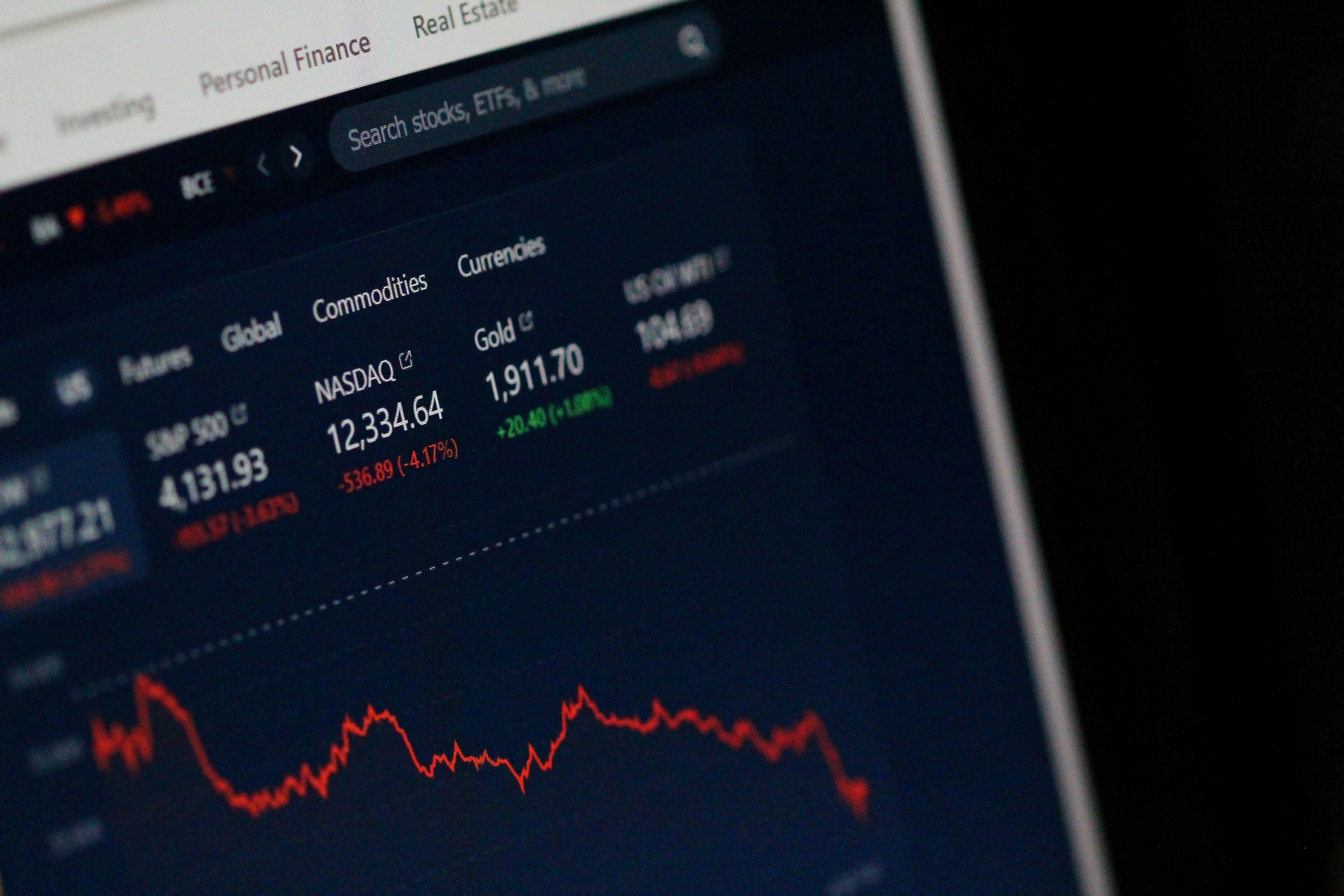
Overview of Asian Market Performance
As of the close of trading on November 7th, Asian markets reflected a persistent downward trend, evident across major indices in the region. The Nikkei 225 in Japan, known for its representation of the country’s largest companies, experienced a substantial decline, closing significantly lower than its previous session. This drop can be attributed to a combination of factors, including investor sentiment influenced by ongoing global economic uncertainties.
Similarly, the Hang Seng Index in Hong Kong faced notable challenges, registering losses that mirror broader regional concerns. Decreased consumer confidence, coupled with erratic trade developments, contributed to the index’s negative trajectory. Market analysts have pointed out that local economic indicators, such as retail sales and export figures, have not met expectations, further exacerbating the pressure on the Hang Seng Index.
In mainland China, the Shanghai Composite also reported a downward shift, as worries relating to the property sector weighed heavily on investor decisions. The ongoing volatility in the real estate market has led to heightened caution among traders, reflecting broader anxieties regarding economic recovery prospects. Thus, despite government efforts to stimulate growth, the index’s performance highlighted persistent vulnerabilities.
Finally, South Korea’s KOSPI index faced its own set of challenges, declining alongside its regional counterparts. Tensions surrounding global supply chains, particularly in the technology sector, played a significant role in the index’s performance. As companies continue to grapple with semiconductor shortages and logistical delays, the KOSPI’s downturn underscores the interconnected nature of Asian markets and their sensitivity to global events.
In summary, the performance of major Asian markets on November 7th demonstrates a unified trend of decline, shaped by a complex interplay of domestic and international factors. The outlook remains uncertain, prompting stakeholders to closely monitor economic developments both regionally and globally.
Nikkei 225: Japan’s Economic Indicators
The Nikkei 225 index, a key benchmark of the Japanese stock market, has shown a notable decline of over 1.21% during the recent trading session. This drop can be attributed to a combination of domestic economic indicators and global market influences that have collectively impacted investor sentiment in Japan. Economic performance indicators, including GDP growth rates and unemployment figures, continue to pose challenges for the Japanese economy, adding to the pressures faced by the stock market.
Recent reports indicate that Japan’s GDP growth has slowed, raising concerns among investors regarding the sustainability of economic recovery. Additionally, inflation rates have shown signs of rising, further complicating monetary policy responses from the Bank of Japan. Such economic conditions have often led investors to adopt a more cautious approach, reflecting their apprehension towards future corporate earnings. Consequently, the decline in the Nikkei 225 is seen as a sentiment-driven response to these economic indicators.
Moreover, external influences such as global market trends and geopolitical tensions have also played a critical role. The ongoing uncertainties in international trade relations and fluctuating commodity prices have contributed to a bearish outlook among investors. The interplay between these global factors and local economic conditions has heightened volatility in the market, driving down the Nikkei 225 index.
In light of these circumstances, the performance of the Nikkei 225 underscores the intricate relationship between economic indicators and investor behavior. As Japan navigates through these challenges, monitoring the impact of both domestic and external factors on the index will be essential for understanding the broader economic landscape. The focus now shifts to how these trends will evolve in response to upcoming economic data releases and geopolitical developments.
Hang Seng Index: Factors Impacting Hong Kong’s Market
The Hang Seng Index (HSI) experienced a notable decline of approximately 0.92% during the trading session on July 11, reflecting ongoing turbulence in the market. Several factors contributed to this downturn, including shifts in government policies, international trade tensions, and social unrest, all of which continue to weigh heavily on investor sentiment in Hong Kong.
One significant aspect impacting the HSI is the recent changes in regulatory policies imposed by the Hong Kong government. These adjustments have instilled uncertainty among investors, particularly with regard to the property sector, which forms a considerable portion of the index. Stricter measures aimed at curbing real estate speculation may have exacerbated fears of lower housing demand, consequently affecting Hong Kong’s economic landscape.
Another pivotal element affecting the Hang Seng Index is the global economic climate. Investors are increasingly responding to foreign market dynamics, particularly the policies enacted by major economies like the United States and China. The ongoing trade tensions and concerns surrounding inflation rates globally have led to volatility, causing many market participants to adopt a more cautious approach. As a result, international developments continue to exert significant influence on investor behavior, leading to fluctuations within the HSI.
Moreover, local economic conditions, such as rising unemployment and sluggish consumer spending, are further complicating the situation. Confidence among consumers appears to be dwindling, affecting retail sales and overall economic growth. This sentiment translates into a more subdued performance of the Hang Seng Index, as investors reassess their strategies in response to these challenges.
As a culmination of these influences, the Hang Seng Index remains in a state of flux, illustrating the intricate balance between local and international factors in dictating market trends in Hong Kong.
KOSPI and Shanghai Composite: South Korea and China’s Current Landscape
On July 11, the South Korean stock market faced a notable decline, with the KOSPI index dropping by approximately 1.81%. This downturn reflects ongoing economic challenges within the country, exacerbated by sluggish global demand and recent disappointing economic indicators. Investors are particularly concerned that South Korea’s reliance on exports may hinder growth. The latest data reveals that export figures are not meeting expectations, which has raised alarm bells among market participants regarding sustained economic recovery.
Similarly, China’s Shanghai Composite index experienced a slight decrease of 0.25% during the same trading session. This marginal decline highlights the cautious sentiment prevalent in the Chinese market, influenced largely by underwhelming export data that has failed to instill confidence among investors. Such data points suggest that demand for Chinese goods is weakening, particularly in major markets, which raises concerns about the broader implications for the Chinese economy. Additionally, the geopolitical tension between China and other nations adds another layer of uncertainty, further influencing market performance.
The ripple effect of these export challenges is being felt across the Asia-Pacific region, leading to heightened scrutiny of both the KOSPI and the Shanghai Composite. Analysts warn that persistent underperformance in exports could lead to slower economic growth for both South Korea and China. Market participants are urged to keep a close watch on upcoming economic reports, as these will provide critical insight into the health of the respective economies and might influence market trajectories moving forward.
Understanding these dynamics is essential, as they are interconnected and deeply influence investor sentiment. Both markets are navigating through a complex economic landscape, where the implications of export performance play a pivotal role in shaping outlooks and strategic decisions.
You might also like:
- Bank of Italy’s Revised Economic Forecasts amid Middle East Conflict
- Finches Can Be taught to Sigh Differently Than Their Genetics Dictate
- Understanding the Fragile Ceasefire: Tensions Between Israel and Hamas
- Telegram avoids Philippines ban, yen raise exchange going onchain: Asia Particular
- Shocking Revelations: South Korea’s Large Sexual Extortion Ring Exposed
