
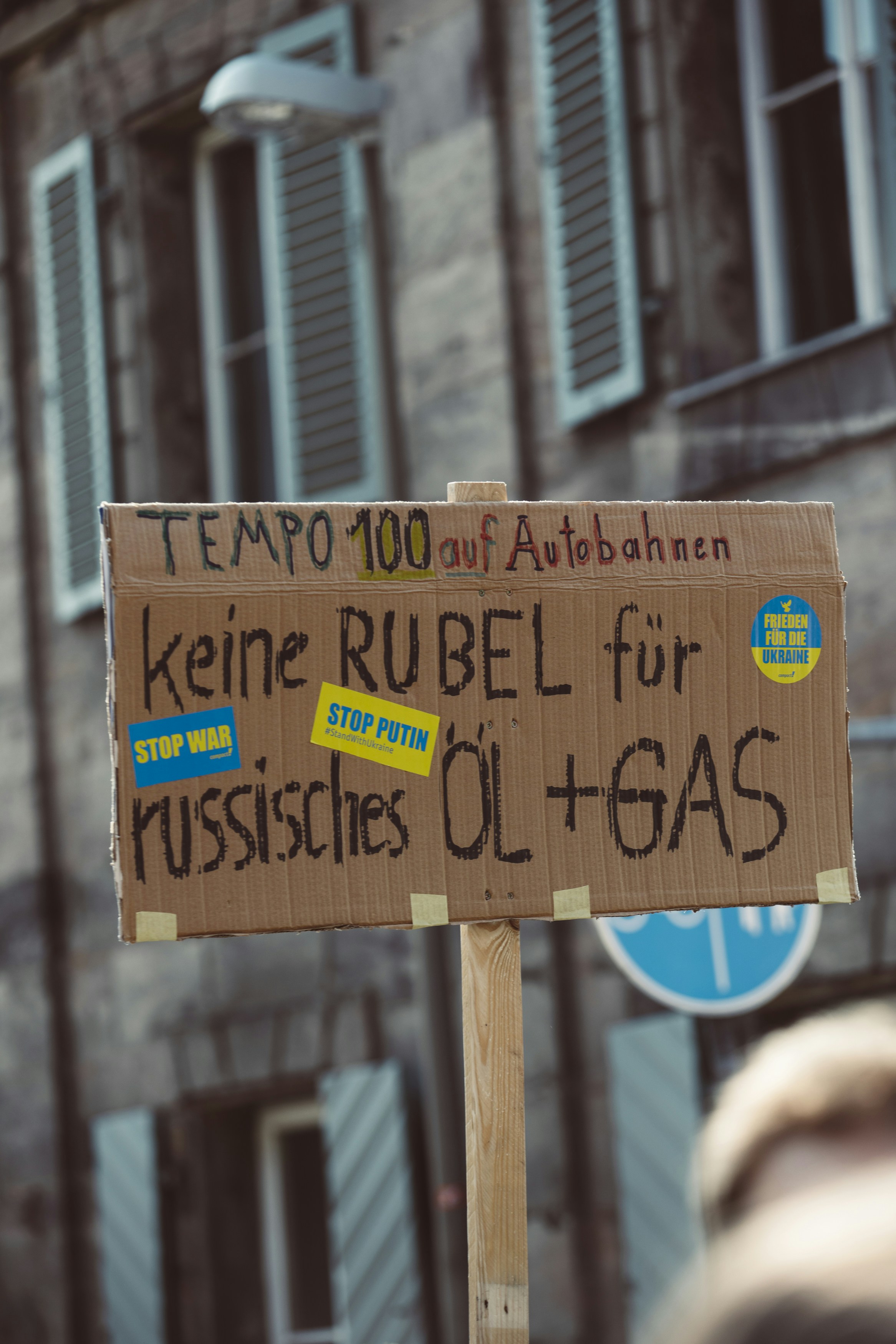
The Context of Sanctions on Russia
Sanctions against Russia have been a pivotal aspect of international relations, especially following its annexation of Crimea in 2014 and subsequent military actions in Eastern Ukraine. These measures were primarily instituted by the United States, European Union, and other allied nations, aiming to curtail Russia’s economic capabilities and influence in the region. The initial sanctions targeted key sectors of the Russian economy, including finance, energy, and defense, effectively restricting access to international markets and capital. Over the years, additional sanctions have been introduced in response to Russia’s continued aggressive policies, including meddling in foreign elections and actions in Syria.
The sanctions have evolved significantly since their inception. Initially viewed as a temporary response to specific actions, they have progressed into a more comprehensive framework aimed at holding Russia accountable for its broader geopolitical strategies. Western countries argue that these sanctions serve as a crucial deterrent against further aggression and an attempt to restore international norms. The United States, in particular, has maintained a firm stance on ensuring that Russian actions do not undermine global security or violate the sovereignty of other nations. The imposition of these measures has sparked extensive debates regarding their effectiveness, with mixed assessments on how significantly they have impacted the Russian economy or President Vladimir Putin’s policies.
Furthermore, the imposition of sanctions has also had complicated consequences on global trade dynamics, prompting some countries to navigate an increasingly fraught economic landscape. The recent decision by Trump to exempt Hungary from specific sanctions reflects the complexity of the situation, where geopolitical alliances and energy dependencies come into play. Understanding the context surrounding these sanctions provides critical insights into the broader implications of Hungary’s exemption, particularly regarding the strategic interests of both the United States and Russia.
Trump and Orban: The Meeting
On a notable occasion, former President Donald Trump and Hungarian Prime Minister Viktor Orban convened to address critical issues influencing both countries. The primary agenda revolved around energy security, with particular emphasis placed on Hungary’s increasing dependency on Russian oil. This relationship is particularly significant given Hungary’s geographic positioning and its historical ties to Russia, shaping its energy policy and economic framework.
The meeting served as a vital platform to discuss Hungary’s reliance on Russian energy resources, which has been a focal point for the nation’s economic growth and stability. As Hungary navigates its energy needs, securing a reliable supply from Russia has proven to be a strategic imperative. This dependency raises intricate questions regarding political autonomy and the influence of external powers in Hungary’s domestic affairs, highlighting the complex interplay of interests in international relations.
Furthermore, the discussions elaborated on the evolving political dynamics between Hungary and the United States. While traditionally perceived as allies, recent developments have strained relations, with Hungary positioning itself closer to Russia. Trump’s decision to exempt Hungary from sanctions related to the Russian oil trade is indicative of a pragmatic approach aimed at fortifying bilateral ties, even amidst varying geopolitical philosophies.
Potential motivations for Trump’s exemption can be analyzed through various lenses, including economic pragmatism and strategic diplomacy. By alleviating sanctions on Hungary, he aims to enhance cooperation and create leverage in fostering positive relations. This move could also reflect broader efforts to counterbalance growing European skepticism towards U.S. policies. Ultimately, the meeting between Trump and Orban not only underscores Hungary’s vital role in the realm of energy security but also epitomizes the shifting power dynamics on the global stage.
The Implications for Hungary and Europe
The exemption of Hungary from sanctions imposes significant ramifications, not only within the nation’s borders but also across the broader European landscape. As Hungary has long relied on Russian oil to meet its energy needs, this exemption serves as a crucial lifeline, allowing the country to sustain its economic stability. Hungary’s energy dependence has historically rendered it vulnerable to fluctuations in international energy markets. By maintaining a direct relationship with Russia, Hungary can ensure a steady supply of oil, effectively shielding its economy from potential shocks that may arise from competing global energy sources.
On a larger scale, Hungary’s favorable position may sow discord among European Union member states. The EU has endeavored to present a unified front in its approach to Russian sanctions, which are primarily aimed at diminishing Moscow’s influence on the continent. Hungary’s exemption could lead to disillusionment among other member states, prompting questions regarding the cohesion of European policies toward Russia. Countries that share similar energy dependencies may now consider negotiating their own exemptions, jeopardizing the EU’s collective bargaining power and reducing the effectiveness of sanctions.
As Hungary navigates its diplomatic relationships, the actions it takes may reverberate throughout the EU. The perception of Hungary’s decision to exempt itself from sanctions could set a precedent, emboldening other nations to pursue similar paths, which ultimately poses a challenge to the EU’s cohesion. The ramifications of this strategic move extend beyond economic considerations, influencing political dynamics and international relations among member states. To conclude, the exemption from sanctions not only benefits Hungary’s immediate energy requirements but also introduces complexities within the broader European context, calling into question the solidarity and strategic objectives of the EU in its dealings with Russia.
Future Outlook: What Comes Next?
The recent decision by the Trump administration to exempt Hungary from sanctions raises several questions about the strategic implications for U.S.-Hungarian relations and its effect on global geopolitics. This exemption, primarily influenced by Hungary’s engagement with Russian oil, suggests potential shifts in diplomatic dynamics as Hungary seeks to solidify its energy security. The move not only alters Hungary’s economic landscape but also positions it as an essential player in the European energy market, potentially leading to a recalibration of alliances.
One possible consequence of this exemption is that it may encourage other nations facing U.S. sanctions to seek similar exemptions by aligning their policies more closely with American interests. This precedent could lead to a fragmentation of the existing sanctions framework, making it challenging for the U.S. to maintain a unified stance against adversarial actions from countries such as Russia. Countries may view this as an opportunity to negotiate their own exemptions by leveraging strategic partnerships.
Furthermore, the response from the European Union and other international alliances remains a significant consideration. The EU has historically maintained a unified front against Russian aggression, and Hungary’s exemption may create rifts within the bloc. Other member states might feel compelled to address the implications of this decision, which could lead to either a strengthening of sanctions against Hungary or an overall reassessment of EU foreign policy regarding Russia.
In this evolving geopolitical landscape, the future of sanctions will be scrutinized closely. Possible adjustments could emerge based on the efficacy and legality of continued sanctions, along with the reactions from other global powers. Ultimately, the strategic implications of Hungary’s exemption from sanctions will likely unfold over time, marking a pivotal moment that could redefine not only relations between the U.S. and Hungary, but also the broader dynamics of international relations in the energy sector.
You might also like:
- The Cannes Movie Competition is set to originate. Here are the predominant movies making their debut – AP Recordsdata
- Stade Brestois 29 vs Olympique Lyonnais: A Goalless Encounter in Ligue 1
- This Nutrient Deficiency Could Be Linked to Increased Alzheimer’s Risk, Gaze Finds
- US CISA provides ‘insane’ Linux Duplicate Fail flaw to sight checklist
- ‘The Satan Wears Prada’ Then and Now: Why It Hits In every other case – The Unique York Cases
