
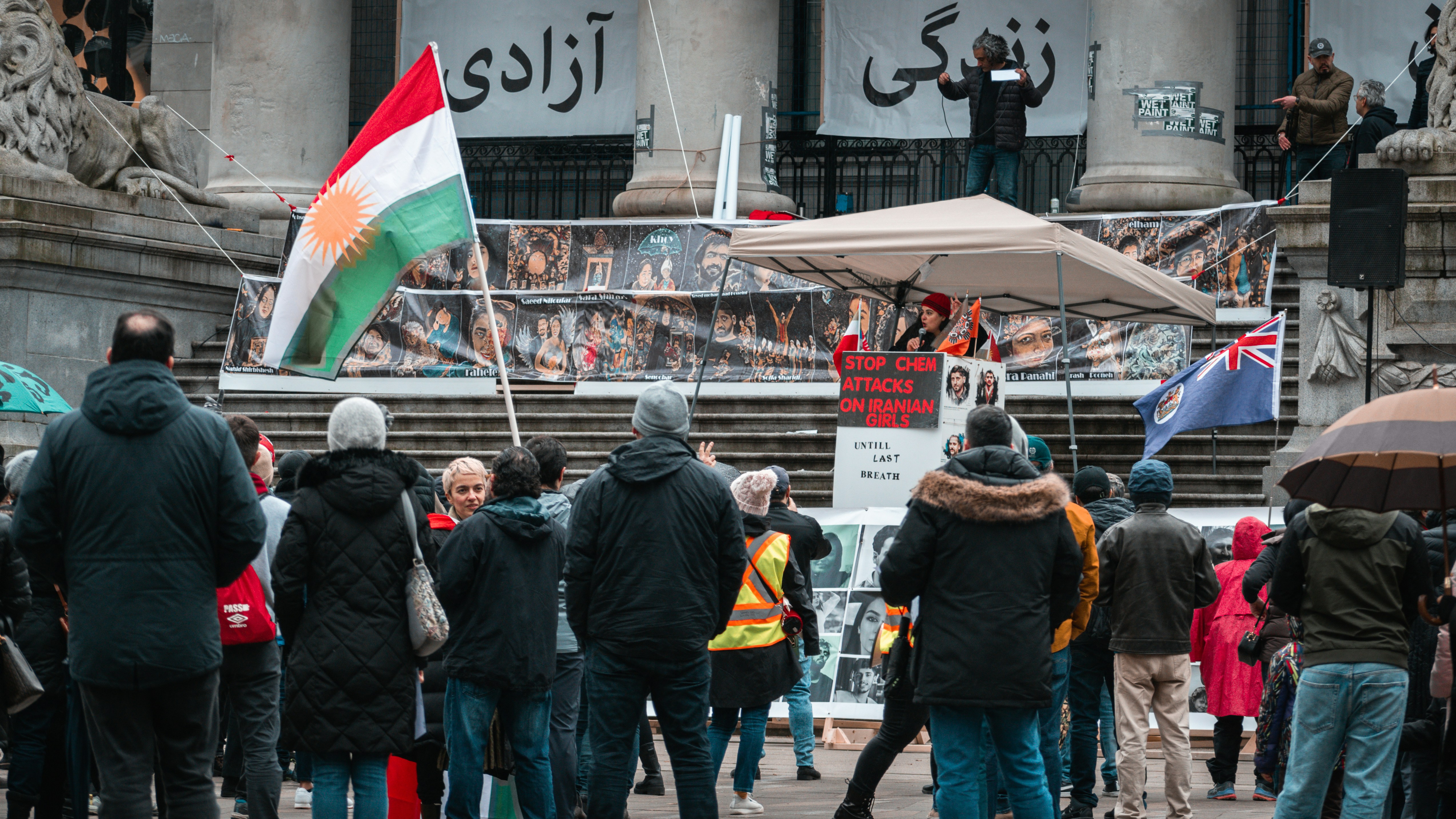
Background of the Accusation
The accusations against Iran regarding an alleged plot to assassinate the Israeli ambassador to Mexico emerged amidst a complex geopolitical landscape, characterized by long-standing tensions between Iran, the United States, and Israel. Following the 1979 Iranian Revolution, relations between Tehran and Washington became notably strained, with the U.S. adopting a policy of containment towards Iran. This strategy has included a series of economic sanctions aimed at curtailing Iran’s nuclear program and limiting its influence in the Middle East. Concurrently, Israel has viewed Iran as a significant threat to its national security, primarily due to Iran’s support for militant groups like Hezbollah and its contentious rhetoric towards the Israeli state.
In recent years, the frequency of hostile interactions has intensified, partly due to escalated military engagements in the region and cyber warfare. Iran’s involvement in various regional conflicts, such as in Syria, has further exacerbated concerns about its intentions. The recent escalation leading to the assassination plot accusations can be traced back to broader geopolitical maneuvers by Iran in Latin America, where it sought to expand its influence historically. This initiative has raised eyebrows among Western nations, particularly given the sensitive nature of Israeli and American interests in the region.
Reports of the alleged assassination plot surfaced initially through intelligence briefings and subsequent announcements from U.S. officials, claiming credible evidence of Iran’s intent to target a high-profile diplomat. This was coupled with suppressed documents and signals indicating coordination among Iranian operatives. Though Iran has vehemently denied these allegations, claiming they are politically motivated fabrications, the gravity of the situation reveals deep-rooted animosities that have shaped current diplomatic stances. In the context of these accusations, an understanding of prior events, including antagonistic rhetoric and incidents involving proxy forces, becomes critical for comprehending the implications of this unfolding narrative.
Iran’s Response
In light of the recent allegations made by the United States and Israel regarding an alleged assassination plot targeting a high-profile ambassador, Iranian officials have responded with firm denials and strong rhetoric. Iranian authorities, including spokespersons from the Foreign Ministry, have condemned the accusations as reckless and unfounded, asserting that such claims are part of a broader strategy by Western powers to discredit Iran on the international stage. They argue that these allegations serve to distract attention from the legitimate concerns about regional stability and security.
The Iranian government has consistently maintained that it does not engage in covert operations that threaten the lives of foreign diplomats. In various statements, Iranian officials have highlighted a commitment to diplomatic dialogue and respect for international regulations, suggesting that these accusations contradict its diplomatic objectives. Furthermore, some Iranian lawmakers emphasized that such claims represent an attempt to malign Iran’s image in the eyes of the global community, framing these moves as not just political maneuvers, but as part of a coordinated effort to provoke tensions within the region.
In addressing the broader implications of the accusations, Iran has reiterated its stance on the importance of cooperation and dialogue among nations, particularly in the context of the volatile Middle East. Iranian officials stress the need for regional actors to engage in constructive dialogue rather than resorting to rhetoric that escalates tensions. They emphasize their desire for stability and peace in a region beset by conflict, positioning Iran as a responsible actor amidst allegations that may incite further discord.
This delicate interplay of accusations and counter-responses illustrates the complexity of Iran’s diplomatic environment, as it navigates both external pressures and internal expectations while seeking to maintain its sovereignty and international standing.
Implications for US-Israel Relations
The recent allegations against Iran regarding a plotted assassination of an Israeli ambassador have significant ramifications for the dynamics between the United States and Israel. Traditionally, the U.S. and Israel have maintained a robust partnership, particularly in matters of national security and counterterrorism, largely due to their shared interests in curbing Iranian influence in the region. The accusations of Iran’s provocative actions further solidify this partnership, positioning both nations in a unified front against Tehran’s alleged transgressions.
This scenario may lead to heightened military collaborations between the U.S. and Israel. As Iran continues to assert its aggressive stance, it is likely that the United States will increase its military aid to Israel, potentially enhancing the latter’s defense capabilities. The existing partnerships may also evolve, with the U.S. administration possibly reassessing its foreign policy strategies to ensure a stronger alignment with Israeli defense posture against perceived Iranian threats.
Beyond military cooperation, the allegations may serve as a catalyst for diplomatic efforts aimed at building broader alliances within the region. Israel may leverage this situation to garner support from other countries wary of Iran’s intentions, thus amplifying collective security measures against it. Furthermore, this incident may compel the U.S. to further engage its European allies to unify international pressure on Iran, ensuring that the narrative surrounding these accusations is heard globally.
As tensions escalate, the path forward for both nations may entail rigorous discussions on strategic policies. Both the U.S. and Israel will need to examine their next steps carefully, balancing defensive readiness with diplomatic initiatives to prevent potential conflicts arising from Iran’s alleged plots. Overall, this situation emphasizes the evolving landscape of U.S.-Israeli relations amidst escalating regional threats.
Potential Regional Consequences
The recent accusations against Iran regarding the plotting of an ambassadorship assassination have raised significant concerns about regional stability in the Middle East. Given the intricate web of relationships, historical proxy conflicts, and prevailing sectarian tensions, this incident has the potential to exacerbate existing hostilities and further destabilize the area. Countries in the region may reassess their security strategies and alliances in response to these developments, which could impact the delicate balance of power.
Neighbors such as Saudi Arabia, which has historically viewed Iran with suspicion, may perceive this incident as a justification to bolster their military capabilities or engage in preemptive actions to safeguard their interests. Conversely, Iranian allies and proxies may increase their rhetoric and activities, pushing back against accusations to assert their regional influence. This tit-for-tat dynamic could lead to escalated confrontations both within and beyond their borders.
Furthermore, influential international players like Russia and Turkey must navigate these tensions with caution. Russia, with its ties to both Iran and various groups within Syria, faces the challenge of maintaining its strategic interests while ensuring that its regional partners do not spiral into open conflict. Similarly, Turkey, having its own intricate relations with both Iran and Saudi Arabia, may intervene diplomatically while seeking to uphold its position in this multifaceted geopolitical landscape.
Ultimately, the incident poses a significant risk not only for bilateral relations but also for multilateral dialogues aimed at fostering peace in a region plagued by longstanding animosities. The prospects for resolution will depend largely on how policymakers respond to rising tensions and whether they can engage in meaningful conversations that prioritize stability over confrontation. These evolving dynamics warrant close monitoring as the situation unfolds, and the implications could resonate long beyond the immediate incident.
You might also like:
- The Intense Rivalry of Hudson and Williams: A Deep Dive
- Funny Jokes: Stunning Humor for Everyday Activities
- Kid Kapichi Releases New Single ‘Rabbit Hole’
- Much less Successfully-Off Donate Greater Profits Percentage
- Malaysia and Indonesia’s Stance on Non-Consensual Content: Blocking Elon Musk’s Grok
