
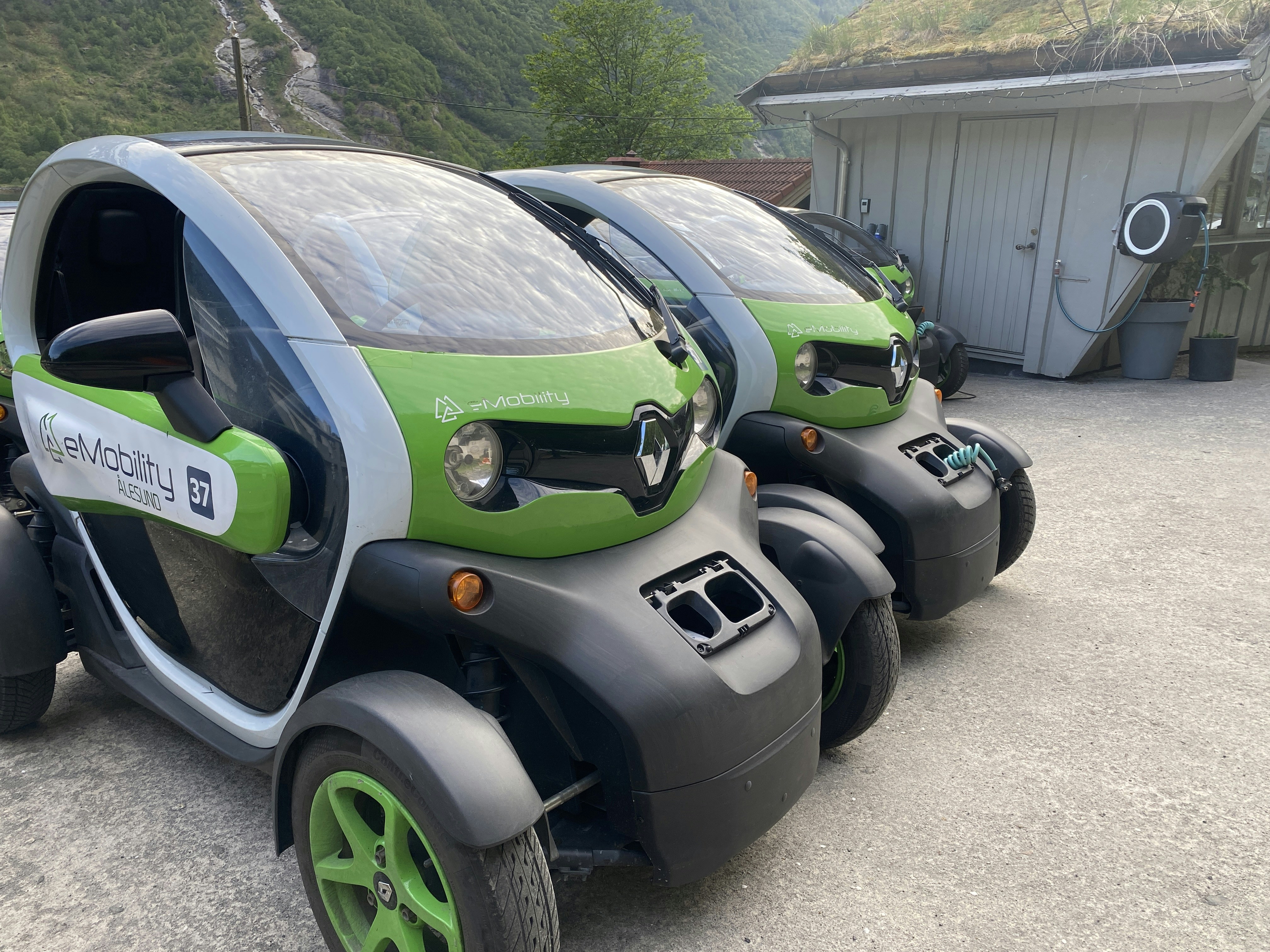
Introduction to Affordable Electric Vehicles
The concept of affordable electric vehicles (EVs) marks a significant shift in the automotive landscape, especially within Europe. With environmental concerns at an all-time high, there is a pressing need for transportation solutions that are both economically and ecologically sustainable. Major manufacturers, such as Citroën, Fiat, and Renault, are poised to introduce new models around the €20,000 ($21,000) price point, which will likely democratize access to electric vehicle technology. This anticipated market shift is not just a response to consumer demand, but also a critical part of broader strategies to combat climate change.
Affordable electric vehicles are set to play a crucial role in the transition towards cleaner transportation systems. They serve as a viable alternative to traditional combustion engine vehicles, making it easier for consumers to make ecologically responsible choices without straining their finances. As these manufacturers unveil their vehicles, the focus will be on accessible pricing, increased mileage ranges, and user-friendly technology to appeal to a wider demographic. The release of these budget-friendly EVs signals that affordability and sustainability can coexist, paving the way for an environmentally conscious consumer base.
The emergence of such vehicles will likely enhance consumer choice significantly, encouraging more individuals to consider switching from conventional vehicles to electric options. As prices continue to fall, an increasing number of people may partake in the transition, fostering a culture of sustainability. This new era in the automotive industry also aligns with various governmental policies aimed at reducing carbon emissions across Europe. The integration of affordable electric vehicles into the market represents an essential step towards achieving a greener future and a revolution in transportation.
Spotlight on European Manufacturers
The electric vehicle (EV) market is undergoing significant transformation, with European manufacturers like Citroën, Fiat, and Renault leading the charge towards affordability and sustainability. Each of these companies has carved out distinct strategies aimed at making electric vehicles accessible to a broader audience. By focusing on affordability, they are not only catering to environmentally conscious consumers but also appealing to those who may have been hesitant to consider EVs due to cost concerns.
Citroën, known for its innovative design and style, has introduced models such as the ë-C3, which exemplify its strategy to attract younger, urban customers seeking economical solutions. The company’s focus on affordability is paralleled by a commitment to fun and practicality in its designs, resulting in cars that resonate with the target audience while also meeting environmental goals. The growth of Citroën’s electric lineup illustrates its willingness to adapt and thrive amid competitive pressure from traditional automakers and newcomers alike.
Fiat, a quintessential brand in the automotive industry, has embraced electrification by launching the 500e. With a clear intent to combine affordability with iconic design, Fiat aims to reach city dwellers interested in sustainable mobility. The company’s strategy includes partnerships for expanding charging infrastructure, enhancing the overall EV experience for users. This focus positions Fiat as a competitive player in the crowded EV market, as it gracefully integrates cutting-edge technology into affordable models.
Renault’s approach hinges on its longstanding experience with electric vehicles. The brand’s ZOE has been remarkably successful in Europe, representing a blend of efficiency, affordability, and practicality. Renault continues to innovate by investing in battery technology and exploring new markets while maintaining its existing combustion engine models. This balance allows Renault to emerge as a leader in the transition toward electric mobility while navigating the regulatory pressures affecting traditional automotive practices.
In a rapidly evolving landscape, these European manufacturers are emphasizing adaptability, ensuring that their electric offerings remain competitive without alienating their current customer base reliant on internal combustion engines. This nuanced approach highlights their commitment to a cleaner and more sustainable future in transportation.
Benefits of Affordable Electric Vehicles
The introduction of affordable electric vehicles (EVs) by European manufacturers represents a significant shift in the automotive landscape, with far-reaching implications for both consumers and the environment. One of the primary benefits of these vehicles is enhanced accessibility. By reducing the price point of EVs, manufacturers can cater to a broader demographic, allowing more consumers to transition from traditional vehicles to electric alternatives. This democratization of EV ownership not only promotes sustainable transportation but also encourages the adoption of innovative technology.
Moreover, affordable electric vehicles play a critical role in reducing carbon emissions. The transportation sector is one of the largest contributors to greenhouse gases, and by making EVs more accessible, the shift toward cleaner transportation becomes more attainable. Enhanced adoption of electric vehicles is vital in meeting the carbon reduction targets set by various governments, ultimately contributing to efforts to combat climate change. The shift towards affordable EVs can accelerate the transition to a greener economy, as consumers choose environmentally friendly options over fossil fuel-powered vehicles.
In addition to the environmental benefits, government incentives significantly boost electric vehicle adoption. Many European nations provide tax rebates, grants, and other incentives to encourage consumers to purchase EVs. These financial supports, paired with the affordability of new models, create a conducive environment for increased market penetration of electric vehicles. Furthermore, as demand for EVs grows, there will be considerable economic implications for the automotive industry. The expansion of EV production facilities can lead to job creation within the sector, providing employment opportunities in battery production, manufacturing, and other related fields.
Ultimately, the rise of affordable electric vehicles not only fosters sustainable consumer choices but also contributes positively to the economy and the global fight against climate change, paving the way towards a more sustainable and accessible automotive future.
Challenges and Future Outlook
The emergence of affordable electric vehicles (EVs) from European manufacturers is poised to disrupt the automotive landscape. However, several significant challenges must be addressed to ensure the viability and success of this new segment. One of the foremost challenges lies in battery technology. The current state of battery performance affects not only the range and efficiency of electric vehicles but also their cost. As manufacturers strive to produce more economical models, advancements in battery technologies, such as solid-state batteries, are essential to balance performance and affordability.
Cost management emerges as another critical hurdle. The manufacturing cost of affordable EVs must be meticulously managed without compromising quality. Factors such as the procurement of raw materials, labor expenses, and production efficiency play a crucial role in determining the final sale price. Manufacturers must also navigate fluctuating prices for essential materials such as lithium and cobalt, which are integral to battery production.
Supply chain issues further complicate the successful entry of affordable electric vehicles into the market. Global disruptions caused by geopolitical tensions, the COVID-19 pandemic, and trade restrictions have highlighted vulnerabilities in supply chains. Manufacturers must cultivate resilient supply chains that can adapt to these challenges while ensuring timely access to components and materials necessary for production.
Consumer perceptions also hold significant weight on the market’s response to affordable EVs. While awareness of the environmental benefits of electric vehicles is growing, misconceptions regarding their efficacy, range anxiety, and charging infrastructure persist. Manufacturers must invest in educational campaigns to foster a positive public image and promote the economic advantages of EV ownership.
Looking ahead, the future of affordable electric vehicles in the European market appears promising. As technology improves and public policy increasingly favors sustainable transportation, the trends suggest a gradual increase in adoption rates. By overcoming these challenges through innovation and strategic planning, manufacturers can ensure the successful integration of affordable electric vehicles into the mainstream automotive market.
You might also like:
- Bitcoin logs easiest month-to-month efficiency in Twelve months throughout April
- Trump’s Controversial Remarks on Iran’s Enriched Uranium
- Challenges Faced by the Social Security Administration Under President Trump’s Second Term
- Celebrating Veer Baal Diwas: A Day of Recognition
- Facebook’s Parent Meta Enters Nuclear Power Agreements
