
Overview of BYD’s February Sales Performance
In February 2026, BYD Co. experienced a notable decline in vehicle sales, posting a total of 190,190 units sold. This figure reflects a striking 41% decrease compared to the same month in the previous year, February 2025. Such a steep drop in sales raises essential questions regarding the factors influencing BYD’s performance within the increasingly competitive automotive market.
The reduction in sales can be attributed to a combination of market dynamics, changing consumer preferences, and broader economic conditions. Notably, the global automotive industry has been undergoing substantial shifts, prompting manufacturers like BYD to reassess their strategies and offerings. The surge in prices of raw materials, coupled with supply chain disruptions, has adversely impacted production capabilities, leading to limited inventory for consumers.
Additionally, consumer behavior is evolving, with many buyers gravitating towards alternative vehicle segments, including electric and hybrid models from rival manufacturers. Despite BYD’s strong foothold in the electric vehicle sector, the fierce competition from established and new players has created significant challenges. The overall consumer demand for EVs continues to fluctuate, influenced by factors such as government policies, charging infrastructure development, and shifts in energy costs influencing consumer choices.
Understanding BYD’s sales performance in February 2026 is critical in assessing the company’s market strategy and future outlook. With a reduced sales figure, BYD must navigate these trends carefully, focusing on innovation and adaptability to remain relevant in a rapidly changing automotive landscape. Analyzing this situation will provide insights into the company’s ongoing efforts to regain its market position and respond to evolving customer expectations.
Key Reasons Behind the Sales Decline
The sales decline experienced by BYD Co. in February 2026 can be attributed to several critical factors, among which the impact of the extended Lunar New Year holiday stands out prominently. The festival, observed from February 15 to February 23, led to an unprecedented interruption in production operations and limited opportunities for retail transactions. This significant downtime created a ripple effect that adversely affected overall sales figures.
During the Lunar New Year festivities, manufacturing facilities often reduce output, and many employees take time off to celebrate with family. This year’s celebrations coincided with the record-long holiday, which further exacerbated the situation. The result was a delay in vehicle production, consequently leading to a decrease in supply available to meet market demands. This was especially troubling given the rising competition in the electric vehicle sector where demands for prompt deliveries are paramount.
The retail landscape was equally impacted, as many dealerships were closed or operated with limited staff during the holiday period. Consumers typically make purchasing decisions around this time; however, the lack of available vehicles for immediate sale, combined with reduced service levels at dealerships, may have deterred potential buyers from making purchases. With fewer sales occurring, BYD’s sales figures reflected the challenges faced in maintaining market momentum during this critical period.
Furthermore, external market conditions such as fluctuations in consumer confidence and economic factors may have also played a role in the downturn. As consumers weigh their options amidst a dynamic market, even minor disruptions, like the Lunar New Year, can lead to significant effects on sales. Understanding these factors is crucial in assessing the overall landscape for BYD Co. moving forward.
The automotive market has been witnessing significant transformations, and BYD Co. has been at the forefront of these changes, especially in the context of its sales figures over the past months. February 2026 marked the sixth consecutive month of decline in sales for the company, revealing ongoing difficulties that warrant an in-depth examination. This period has seen domestic sales plummet by a staggering 65%, a trend that raises questions about BYD’s positioning in the increasingly competitive landscape of electric vehicles.
In contrast to the domestic downturn, export sales have emerged as a surprising bright spot for BYD, as evidenced by a notable increase of 50% in this sector. The sale of 100,600 units internationally illustrates not only the company’s capability to navigate through adverse domestic conditions but also its potential to thrive in foreign markets. This discrepancy between domestic and export sales reflects an evolving consumer sentiment and market demand that favor BYD’s offerings outside China.
Several factors contribute to this duality in sales performance. Firstly, increased competition in the domestic electric vehicle market has compelled manufacturers to adjust their pricing strategies and product offerings, resulting in reduced consumer confidence towards local brands. Additionally, external market conditions, including government incentives in foreign territories and favorable trade relations, have encouraged a surge in exports.
The implications of these ongoing trends are significant for BYD’s strategic planning and overall market approach. Not only must the company address its declining domestic sales, but it also needs to capitalize on its growing export sector. The challenge lies in balancing these divergent sales channels to ensure sustained growth and brand loyalty in both domestic and international arenas. Understanding these market dynamics will be crucial as BYD navigates its current trajectory.
Market Context: Competitive Landscape and Domestic Demand
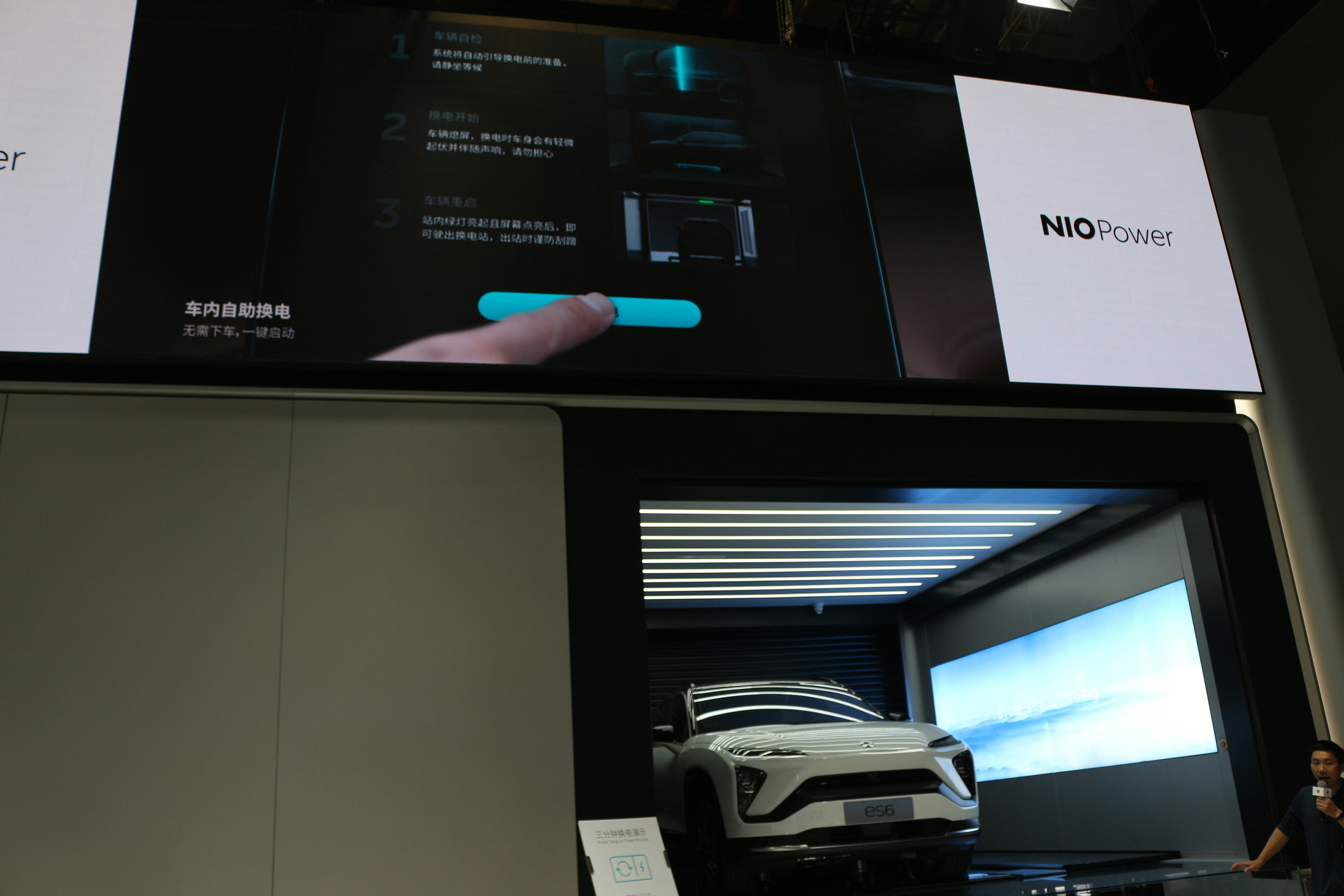
The automotive industry in China has become increasingly competitive, posing significant challenges for major players like BYD Co. The rapid evolution of consumer preferences, alongside technological advancements, has intensified the rivalry among car manufacturers. Over the past few years, the Chinese market has witnessed the emergence of numerous electric vehicle (EV) startups, which has further fueled competition. Brands such as NIO, Xpeng, and Li Auto have made substantial gains, capturing significant market share and compelling established firms to innovate at a quicker pace.
As domestic demand for vehicles fluctuates, BYD is not immune to these market dynamics. One of the primary factors influencing consumer behavior is the ongoing shift towards alternative energy vehicles, driven by government incentives and environmental concerns. Despite this shift favoring EVs, the overall demand for new vehicles in China has shown signs of waning, partly due to economic uncertainties and evolving consumer spending habits. Additionally, the extended impacts of global supply chain disruptions have led to increased production costs, further complicating the landscape for manufacturers.
The strategic response of BYD to these challenges has included diversifying its product offerings and investing in research and development to enhance its competitive edge. However, as key competitors continuously introduce innovative features at competitive prices, it becomes increasingly difficult for BYD to maintain its market position. The influences of both external economic factors and fierce local competition require a multifaceted approach to ensure sustained growth. Consequently, BYD must navigate this complex environment carefully to address its sales decline and regain traction in the evolving automotive market.
You might also like:
- Funny Jokes: Must-Have Humor for Everyday Incidents
- NFL Week 16 Showdown: Rams vs. Seahawks
- Genius Team liquidates Bitcoin treasury to pay $8.5M of debt
- Somalia’s Historic One-Person, One-Vote Elections
- The Impact of the Supreme Court’s Decision on Trump’s Tariffs
