
Overview of Asian Market Sentiment
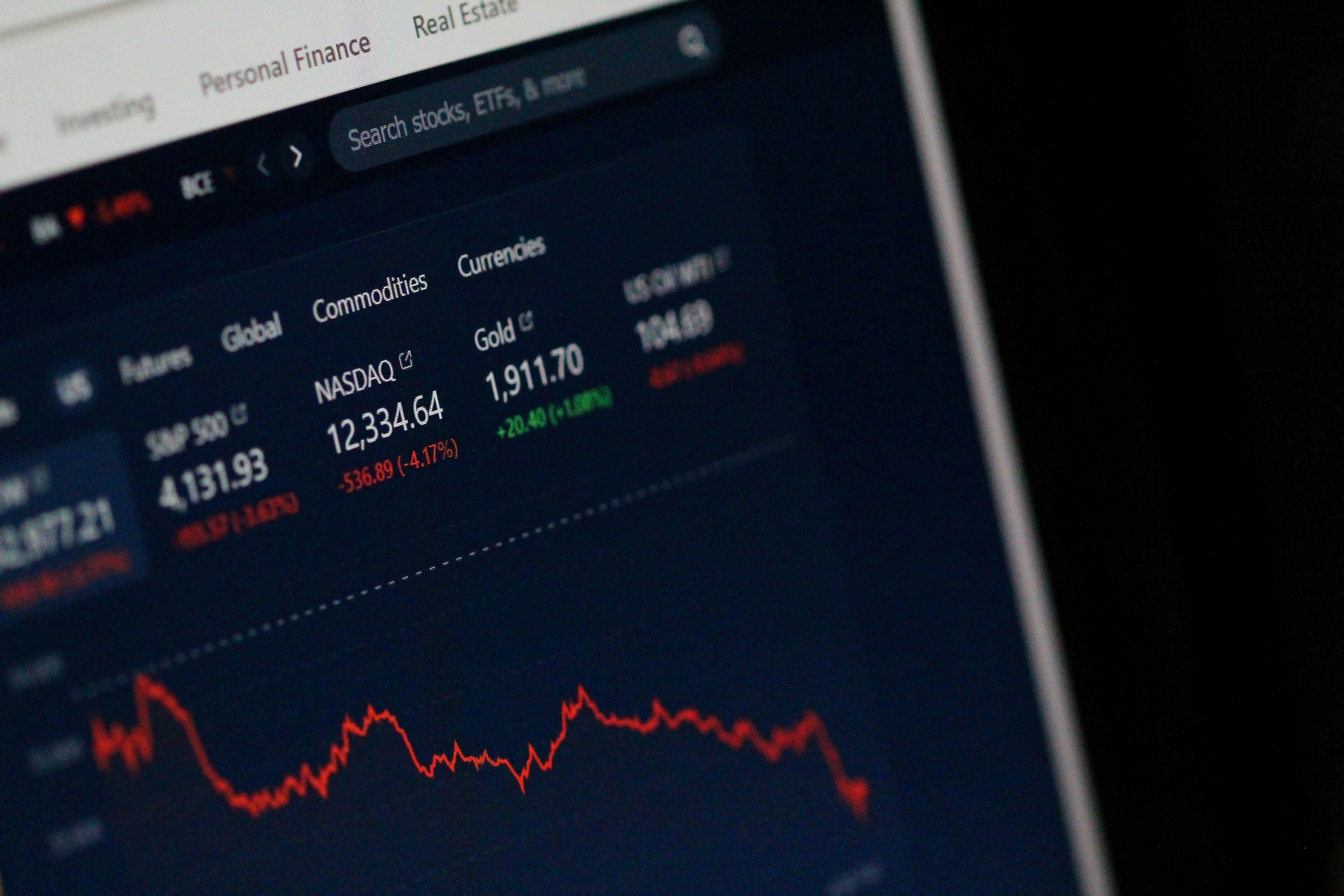
As the week commences, Asian stock markets are reflecting a bearish sentiment, with a notable downturn in various indices. The prevailing atmosphere is heavily influenced by external factors, particularly the performance of Wall Street. Investors in the Asian markets are reacting to the recent fluctuations in the U.S. market, which has raised concerns regarding the stability of global equities. The disappointing economic indicators from the U.S. have cast a shadow over investor confidence, leading to a cautious approach among market participants in Asia.
Furthermore, concerns surrounding the Federal Reserve’s interest rate policies have intensified, exerting additional pressure on financial markets across the region. The potential for rate hikes by the Federal Reserve is causing unease among investors who fear that increasing borrowing costs could slow economic growth. This apprehension highlights the interconnected nature of global markets, where developments in the U.S. can significantly impact sentiment in Asia. Analysts note that uncertainty regarding the timing and magnitude of future rate adjustments is leading to a reevaluation of risk in the investment landscape.
Investor behavior is currently characterized by a flight to safety, with many seeking refuge in defensive sectors, reflecting a broader trend of risk aversion. Additionally, the ongoing geopolitical tensions in various parts of the world are contributing to the prevailing unease in the markets. Overall, the combination of external pressures and domestic concerns has created a challenging environment for investors, prompting many to adopt a more conservative stance as the week unfolds. The situation remains fluid, and market dynamics will continue to be closely monitored as various factors evolve in the coming days.
Country-Specific Market Performances
The initial trading of the week has not been favorable for many of Asia’s stock markets, particularly reflected in Japan’s Nikkei 225. This index has experienced a minor decline, primarily driven by profit-taking amongst investors who had recently benefitted from an upward trend. Japan’s economy has been navigating a precarious balance, with inflation rates affecting consumer spending patterns, thus leading to cautious investor sentiment.
Shifting focus to Hong Kong, the Hang Seng Index has encountered a more considerable downturn. The index’s significant drop can be directly attributed to ongoing internal issues, which have exacerbated investors’ concerns regarding economic growth in China. With the country facing challenges such as stringent pandemic measures and property market instability, the volatility in these conditions is reflected in the performance of the Hong Kong stock market. Economic indicators suggest a slowdown, prompting a reevaluation of investment strategies.
In China, the Shanghai Composite has also been grappling with disappointing results attributable to weak economic activity. Despite government efforts to stimulate the economy, factors including reduced consumer confidence and declining exports continue to weigh heavily on market performance. Investors are observing these trends closely as they seek signs of recovery or further decline.
Contrasting sharply with these markets is South Korea’s KOSPI, which has shown relative stability amidst the overall decline in regional indices. While maintaining a cautious trend, the KOSPI has demonstrated resilience, attributed to strong exports and favorable corporate earnings in certain sectors. This performance sets it apart from its neighboring markets that are struggling to regain traction.
Lastly, Vietnam’s VN-Index is exhibiting a positive recovery, benefiting from a mix of foreign investment inflows and initiatives aimed at boosting domestic demand. The index’s resilience illustrates the country’s robust economic fundamentals and a proactive approach to post-pandemic recovery efforts, which have began to yield optimistic results in recent trading sessions.
Influence of Economic Indicators
The performance of Asia’s stock markets is profoundly influenced by a multitude of economic indicators, which provide crucial insights into the economic landscape both regionally and globally. Recently released economic data from the United States and various Asian economies has played a significant role in shaping investor sentiment and expectations. Key indicators such as inflation rates, employment figures, and GDP growth are particularly impactful in this regard.
Inflation, for instance, continues to be a focal point for market analysts. In the U.S., elevated inflation figures have prompted discussions around the Federal Reserve’s monetary policy, with many investors closely monitoring signals of potential interest rate adjustments. An increase in rates in the U.S. can lead to a flight of capital from emerging markets, adversely affecting stock performance in Asia. Conversely, if inflation rates stabilize or decrease, investors might find renewed confidence in Asian equities, anticipating more favorable investment conditions.
Employment figures also bear significant weight in the market’s outlook. Strong job growth in the U.S. tends to foster optimism, suggesting robust economic health, which can cascade into demand for Asian exports. Conversely, disappointing employment data can lead to concerns about economic slowdown, adversely affecting sentiment towards Asian markets. Similarly, unemployment rates in Asian countries serve as vital indicators of domestic economic stability and can influence stock market movements both positively and negatively.
Lastly, GDP growth rates provide essential context for evaluating the overall health of an economy. Strong GDP growth may lead to bullish investor behavior, while sluggish growth can trigger bearish sentiments. In the first morning session of the week, trends stemming from these indicators are readily observable, as investors reassess risk and adjust their portfolios in accordance with the latest economic signals. By considering these multifaceted economic indicators, one can better understand the dynamics at play in Asia’s stock markets and their immediate implications for the trading week ahead.
Outlook for the Week Ahead
The outlook for Asian stock markets in the upcoming week is marked by a cautious sentiment, following a tumultuous start characterized by declines. Analysts are closely monitoring several factors that could play a significant role in influencing market dynamics. Chief among these are ongoing trade tensions between major economies, which have the potential to impact investor confidence and, consequently, market performance. As discussions around tariffs and trade agreements continue to unfold, market participants remain vigilant, recognizing that any impactful announcements could trigger volatility.
In addition to trade issues, the recent policy changes from central banks around the region are expected to contribute to the overall market sentiment. With monetary policy adjustments aimed at economic stabilization, market observers are keen to assess the effectiveness of these measures. Should central banks implement stimulus strategies, this could bolster retail and institutional investor interest, thereby providing a lift to struggling stock prices. Analysts assert that the ability of policymakers to navigate these challenges will be crucial for maintaining liquidity within the financial markets.
Another critical aspect influencing the week’s outlook is the performance of key stocks. Investors are advised to keep a close watch on sectors particularly sensitive to these evolving economic conditions. The sustained interest and liquidity in major stocks will be instrumental in determining whether current trends will persist or reverse. If particular companies report promising earnings or innovative developments, it could instigate a much-needed rally in Asian markets. Market participants will remain attentive to both macroeconomic indicators and company-specific news for directional clues in the coming days.
Overall, the week ahead presents a landscape filled with uncertainties, highlighted by trade negotiations, policy shifts, and ongoing market volatility. As traders and investors brace themselves for the days to come, maintaining a diversified approach and staying informed will be essential for navigating these turbulent waters.
You might also like:
- Asian Markets End Session on 07/11: A Continuing Downward Trend
- Bearish and Choppy Market Trends: Analyzing Bitcoin’s Recent Price Movements
- Ecuador Prison Riot: A Tragic Breakdown of Order and Security
- The Nuclear Dilemma: Putin’s Response to US Weapons Testing
- The December 13, 2025 Escalation of the Russia-Ukraine Conflict