
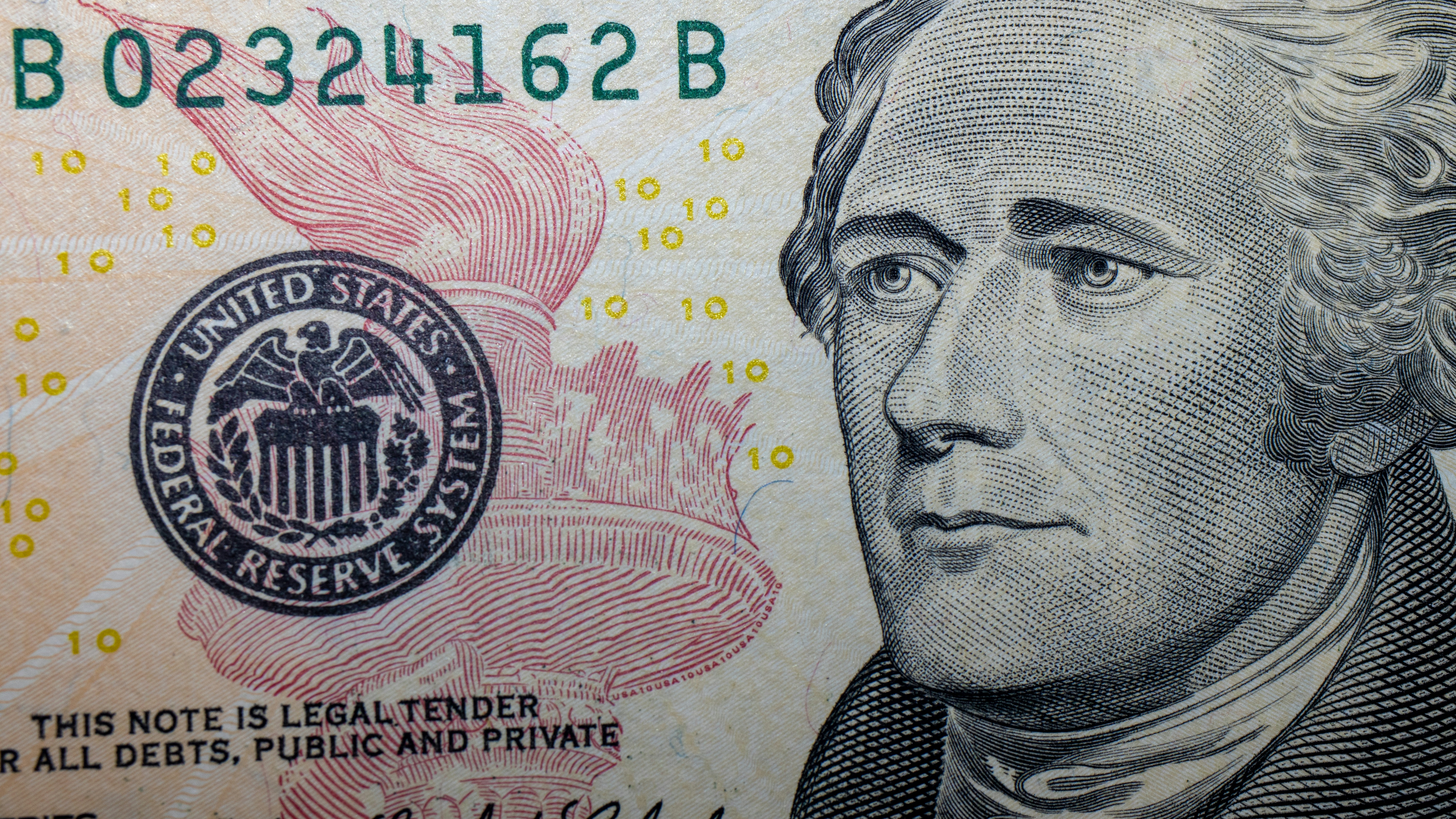
Warsh’s Critique of the Current Federal Reserve
Kevin Warsh has expressed a critical view regarding the current trajectory of the Federal Reserve, particularly its handling of inflation and monetary policy. He argues that the institution has ‘fundamentally mutated’ from its original purpose, which has led to a series of economic miscalculations that exacerbate inflationary pressures. According to Warsh, the Federal Reserve has adopted an overly permissive approach towards monetary expansion, which, in his view, has contributed to ongoing inflation challenges.
One of Warsh’s central critiques is directed at the excessive government spending that has proliferated in recent years. He posits that rather than promoting economic stability, such spending has inflated the demand side of the economy without a commensurate increase in productive capacity. This imbalance, he believes, is a significant driver of inflation, which the Fed has not adequately addressed. Warsh emphasizes the importance of fiscal prudence, arguing that the Fed should not only be held accountable for monetary policy but should also advocate for responsible fiscal policy to reduce inflationary risks.
Additionally, Warsh highlights the growth of the money supply as another factor leading to persistent inflation. He criticizes the Fed’s approach to managing monetary policy, suggesting that its responses to economic challenges have often been reactive rather than proactive. This pattern, he argues, has been based on a pervasive misconception that high inflation is an inevitable outcome of various economic conditions. Warsh contends that a new framework is essential to tackle these issues effectively, one that prioritizes stability and long-term economic health over short-term mitigations.
Proposed Policy Reforms: A New Direction for the Federal Reserve
Kevin Warsh, a former member of the Board of Governors of the Federal Reserve System, has laid out a visionary framework aimed at overhauling the Federal Reserve’s approach to inflation. One of the key elements of Warsh’s proposal is a re-evaluation of the fundamental drivers of inflation. He suggests that a deeper understanding of inflationary forces, which can often be multifaceted, is crucial for shaping effective monetary policy. By reassessing what truly drives inflation, the Federal Reserve can better adapt its strategies to avoid overreactions to temporary price fluctuations.
Another significant aspect of Warsh’s reforms involves adopting a leaner balance sheet. He argues that a streamlined balance sheet will enable the Federal Reserve to operate with lower interest rates more effectively. This shift not only aims to stimulate economic growth but also reduces the risk associated with maintaining an expansive balance sheet that has become a hallmark of the Fed’s post-crisis interventions. By minimizing the bloated asset holdings, Warsh believes the Federal Reserve can return to a more conventional model that prioritizes its core monetary responsibilities.
Moreover, Warsh advocates for narrowing the Federal Reserve’s mandate, suggesting that it should focus strictly on monetary policy rather than delving into social or fiscal issues. By doing so, the Fed can enhance its credibility and efficiency, allowing it to concentrate on controlling inflation without being sidetracked by broader economic debates. In addition, Warsh emphasizes the importance of reducing the cacophony of voices within the Fed’s decision-making process. Streamlining this process is essential for facilitating quicker and more coherent decisions that can effectively address inflationary challenges as they arise.
Revising the Fed-Treasury Relationship for Enhanced Coordination
Kevin Warsh proposes a comprehensive reexamination of the relationship between the Federal Reserve and the Treasury, aiming to foster enhanced coordination that could significantly improve the management of inflation. At the core of his vision is the establishment of clear and distinct roles for each institution, allowing them to operate effectively without overlapping responsibilities that can lead to confusion and inefficiency.
Warsh emphasizes the importance of delineating the functions of the Federal Reserve, which primarily focuses on monetary policy, from those of the Treasury, which is concerned with fiscal policy. This separation is crucial to facilitate a more transparent policy environment where each institution can communicate its objectives without ambiguity. By clarifying these roles, Warsh believes that the Federal Reserve will be better positioned to implement its strategies without being influenced by fiscal policy considerations, thus enhancing its credibility in the eyes of the public and the markets.
Furthermore, Warsh advocates for a coordinated messaging strategy between the Fed Chair and the Secretary of the Treasury. This collaboration is intended to ensure that both the monetary and fiscal narratives align, unifying guidance on economic policies that affect inflation. Clear and consistent messaging can minimize market volatility and provide a more predictable environment for businesses and consumers alike. Coordination between the two bodies involves not just synchronized announcements but also regular dialogues that allow for the sharing of insights and assessments regarding economic conditions.
Overall, the reformed Fed-Treasury relationship as envisioned by Warsh serves as a foundational element in addressing persistent inflation. By prioritizing coordination and clarity, the strategy aims to create a more effective policy framework responsive to the dynamically changing economic landscape.
Commitment to Central Bank Independence: Warsh’s Pledge
Kevin Warsh’s approach to the Federal Reserve is underscored by a steadfast commitment to fostering and preserving the independence of the central bank. His perspective highlights that a robust autonomy is essential for the Federal Reserve, particularly in regard to its ability to establish monetary policy and set interest rates. Unlike other nominees who may face pressure from political influences, Warsh advocates for an unassailable barrier against such external factors, emphasizing that independence is paramount for the Fed’s integrity and public confidence.
Warsh stands firm in his belief that the Federal Reserve must remain insulated from partisan politics, which can compromise its credibility. In his view, the central bank’s ability to manage inflation hinges on its independence; a compromise here could damage its capacity to stabilize the economy effectively. Furthermore, he argues that when the Federal Reserve operates free from political interference, it is better positioned to act decisively in response to economic fluctuations, thus reinforcing its role as a key pillar of the economy.
Warsh’s commitment to accountability and transparency is also noteworthy. He stresses that while the Fed must be independent, it must also be accountable to the public. This dual commitment ensures that the Federal Reserve can operate effectively while maintaining the trust of the stakeholders it serves. In an environment where inflation poses significant challenges, Warsh’s vision revolves around an independent central bank that can make the necessary adjustments to interest rates without succumbing to immediate political pressures.
In short, Kevin Warsh’s advocacy for central bank independence is not only foundational to his vision for the Federal Reserve but also vital for the institution’s credibility and long-term success in managing inflation and fostering economic stability.
You might also like:
- Trump Targets Minnesota Fraud Allegations: A Comprehensive Look
- Nigel Farage Joins the Wake of the Rules-Based International Order
- Tensions Rise in U.S.-France Relations During Macron and Trump Meeting
- The Core Dynamic: War, Supply, and Fear in Global Commodity Markets
- Leadership Dispute Leads to Ouster of Piki Lopez from Lopez Inc.
