
Understanding the Impact of Middle East Conflict
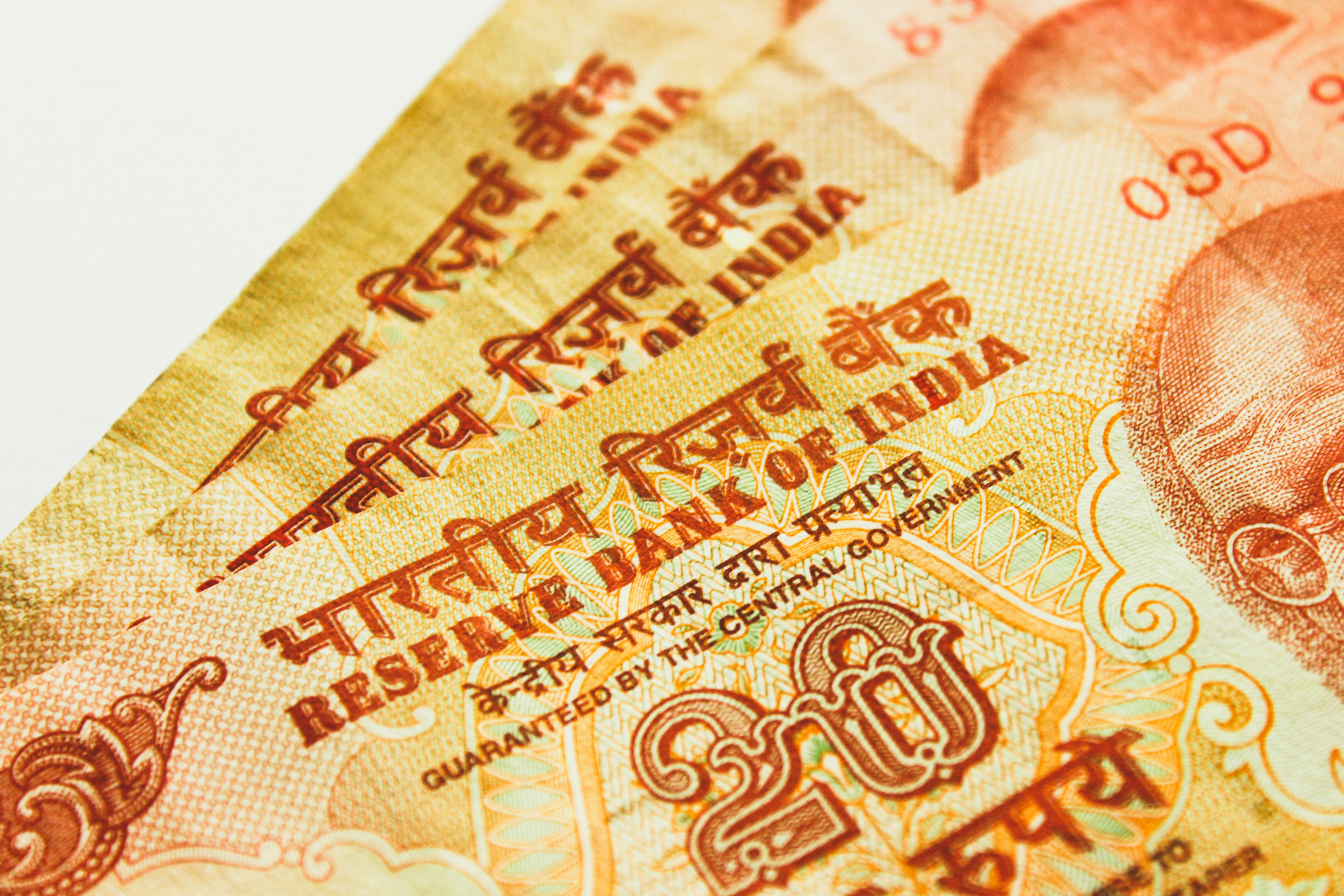
Recently, the Governor of the Reserve Bank of India (RBI), Sanjay Malhotra, expressed concerns over the ongoing conflict in the Middle East and its potential implications for inflation in India. He highlighted that prolonged supply disruptions could lead to persistent inflation, shifting from immediate price shocks to an embedded problem in the overall price level.
India’s Economic Links to the Region
Governor Malhotra elaborated on India’s extensive economic ties with the Middle East, emphasizing that the region is crucial for various sectors. Notably, one-sixth of India’s total exports and one-fifth of its imports come from this area. Furthermore, approximately half of India’s crude oil imports and two-fifths of its fertilizer imports originate from the Middle East. In addition to these figures, nearly two-fifths of inward remittances to India are linked to this region, highlighting the depth of these economic ties.
RBI’s Cautious Approach to Inflation
In light of these concerns, the RBI has opted for a cautious approach, maintaining a policy rate of 5.25% and adopting a neutral policy stance. This strategy aims to preserve flexibility in monetary policy and prevent short-term shocks from evolving into sustained inflation. The RBI’s focus remains on mitigating second-round effects, such as broad price or wage increases that could exacerbate the inflationary pressures stemming from external shocks.
As the economic landscape evolves, with adjusted forecasts indicating a GDP growth revision to 6.9% and projected inflation at 4.6%, the RBI’s vigilance is paramount in navigating these complexities and preserving economic stability.
You might also like:
- Philadelphia Flyers vs. San Jose Sharks: A December Showdown in the City of Brotherly Love
- Is Bitcoin mispricing a prolonged Iran war? Ex-hedge fund manager weighs in
- Escalating Tensions: The Thailand-Cambodia Border Conflict
- Binance led Q1 crypto derivatives as Hyperliquid cracked high 10: CoinGlass
- Oil Market Recovery: Analyzing the Latest Trends (October 22, 2025)
