
The Evolution of Spotify
Spotify was founded in 2006 by Daniel Ek and Martin Lorentzon, driven by a vision to create a sustainable, legal alternative to music piracy, which was rampant during that time. The service officially launched to the public in October 2008, initially offering a limited catalog of songs. From its inception, the platform aimed to provide users with access to a vast library of music without the need to download files illegally.
Throughout the years, Spotify has achieved significant milestones that have contributed to its growth and success. One notable event was the introduction of its freemium model in 2011, which allowed users to listen without a subscription, albeit with ads. This model distinguished Spotify from competitors, providing an accessible entry point for new users. The establishment of playlists and personalized recommendations soon followed, greatly enhancing the user experience and encouraging greater engagement with the platform.
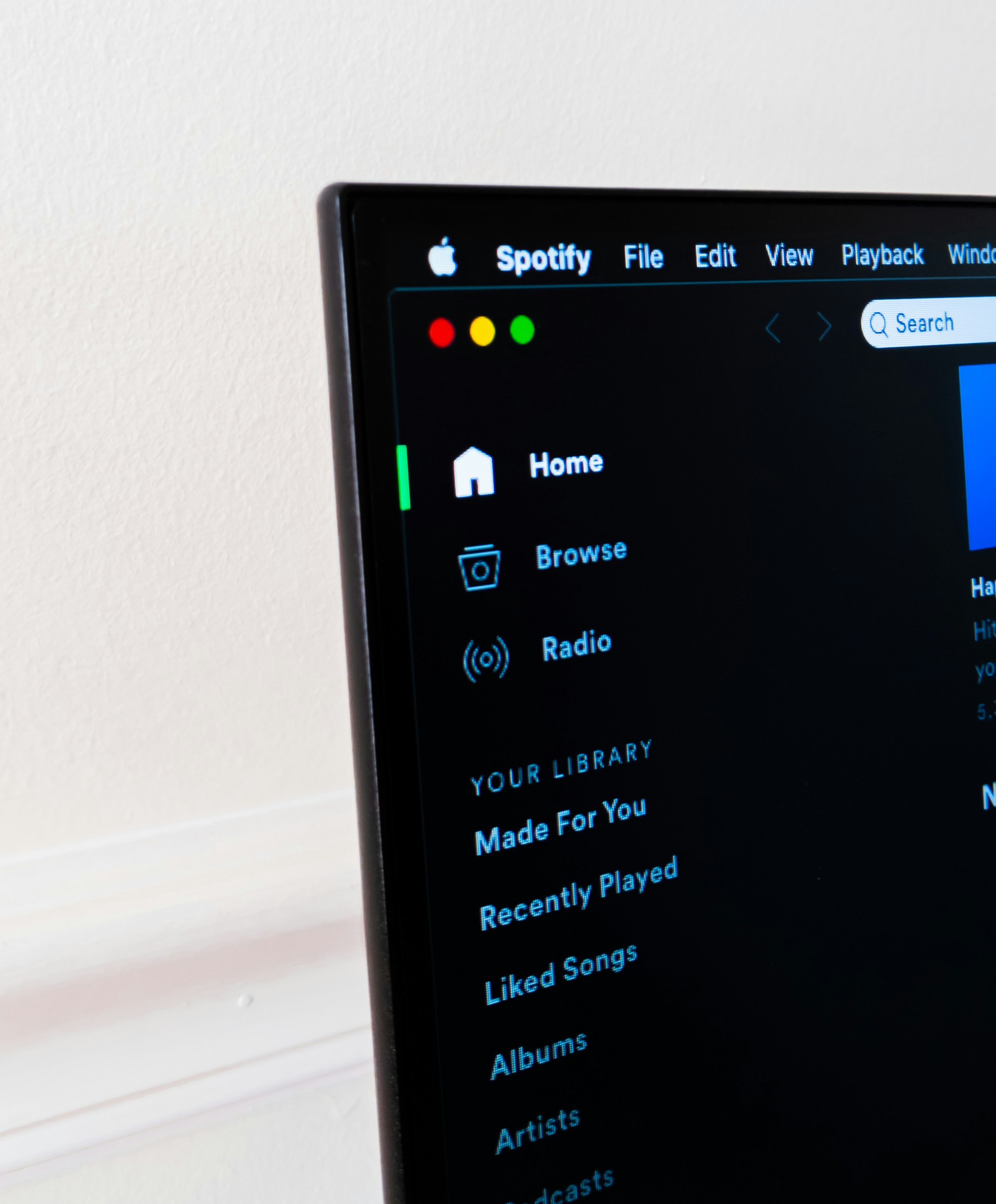
Spotify’s user interface has also evolved significantly, adapting to changing consumer preferences and technological advancements. Early versions presented a simple layout, but updates have transformed it into a visually appealing and user-friendly platform. The introduction of features like Discover Weekly and Wrapped demonstrated Spotify’s commitment to providing personalized listening experiences, setting industry standards for music curation.
Moreover, Spotify’s expansion into international markets began in 2013, with launches in countries across Europe, North America, and beyond. This global outreach has solidified its status as a leader in the music streaming industry. The platform continues to innovate, recently exploring podcasting and exclusive content, which enhances user retention and attracts a diverse audience. Over the years, Spotify has not only changed the way music is consumed but has also redefined the landscape of the music industry. Its evolution reflects the continuous need for adaptation in the fast-paced world of digital media.
Features That Set Spotify Apart
Spotify has established itself as a leading music streaming service by offering a range of features that distinguish it from its competitors. One of the most notable aspects of Spotify is its exceptional personalization options. Through advanced algorithms, Spotify delivers custom-tailored playlists such as “Discover Weekly” and “Release Radar,” which showcase music specifically selected for the listener based on their past listening behavior. This level of personalization ensures that users continuously find new music that resonates with their tastes.
Another key feature is the extensive playlist creation functionality. Users are empowered to curate their own playlists or choose from thousands of pre-made playlists that cater to various moods, genres, and activities. This not only enhances user engagement but also allows the community to share their curated tastes, fostering a deeper connection among listeners.
The algorithm-driven recommendations on Spotify further enhance the user experience by introducing them to new tracks and artists that they may not have discovered otherwise. This is complemented by a robust social sharing capability that allows users to easily share their favorite songs, playlists, and albums with friends on various social media platforms or within the app itself.
In addition to music, Spotify has ventured into the realm of podcasts, offering a diverse range of content that caters to multiple interests. This unique offering ensures that users remain engaged with the platform not just through music, but also by exploring informative and entertaining podcasts.
Another standout feature is Spotify Connect, which allows users to control Spotify playback on different devices seamlessly. This function offers unparalleled convenience, allowing for a cohesive listening experience whether at home, in the car, or on the go.
With its innovative features like personalized playlists, algorithm-driven suggestions, podcast offerings, and the seamless Spotify Connect, it is evident that Spotify continues to set the standard in the music streaming industry.
The Impact of Spotify on the Music Industry
Since its inception in 2008, Spotify has transformed the music landscape by changing how artists distribute, promote, and monetize their work. The rise of this music streaming service has led to a paradigm shift from traditional album sales to digital consumption, emphasizing single tracks over entire albums. This transition has significantly altered marketing strategies for artists, who now prioritize creating engaging singles that maximize streams rather than solely focusing on full-length albums.
A pivotal aspect of this evolution is the impact of streaming on album sales. Traditionally, music sales were largely dependent on physical copies and digital downloads, which enabled artists to earn substantial income directly through purchases. However, with the prevalence of Spotify and similar platforms, physical album sales have seen a decline, urging artists to adapt to the streaming model. This shift has prompted the music industry to reevaluate how success is measured, with a greater emphasis now placed on stream counts and playlist placements as indicators of popularity and reach.
Royalty distribution is another significant consequence of Spotify’s growth. The platform operates on a pro-rata payment system that distributes royalties based on the total number of streams in a given period. While this system offers exposure to many artists, it also raises concerns regarding fair compensation. Independent musicians, in particular, often find it challenging to earn a sustainable income through streaming due to the relatively low per-stream payouts compared to traditional music sales. This has sparked debates about artist compensation and whether streaming services are doing enough to ensure equitable payment.
Despite these challenges, Spotify has also introduced new revenue models. For example, the platform supports artists through features like Spotify for Artists, which provides data-driven insights and promotional opportunities. Overall, while Spotify has revolutionized access to music, the nuances of its impact on the industry continue to present both opportunities and complications for artists, particularly independent ones.
The Future of Spotify and Music Streaming
As we look to the horizon, the future of Spotify and the music streaming industry presents a fascinating landscape characterized by technological advancements and evolving user preferences. One significant trend is the integration of artificial intelligence (AI) and machine learning, which can further personalize user experiences by curating tailored playlists, predicting listening habits, and enhancing music discovery. This evolution in technology promises to refine how listeners interact with platforms like Spotify, ideally creating an even more engaging user experience.
Moreover, the trend towards user-generated content is likely to shape the future of streaming services. As consumers increasingly seek authenticity, platforms may find greater value in allowing users to create and share their own soundtracks, collaborations, or playlists. This engagement may not only empower listeners but also foster a more vibrant music community. Additionally, the rise of social media integration with music streaming services is anticipated to flourish, further blending the lines between consumption and creation, keeping the audience invested in their favorite artists.
Furthermore, the podcasting segment has seen exponential growth and will likely continue to expand, with Spotify at the forefront of this trend. This shift indicates an opportunity for artists to diversify their outreach and deepen connections with their fans through conversational platforms. However, the music streaming industry also faces challenges, primarily from an increasingly competitive market. Spotify must contend with emerging platforms and technologies aiming to capture a share of the growing audience. Moreover, the evolving relationship between artists and streaming platforms necessitates ongoing dialogue regarding fair compensation and revenue distribution, ensuring that musicians can thrive alongside the rapidly changing landscape.
In conclusion, the future of Spotify and music streaming looks promising yet complex, marked by innovative technologies and transformative shifts in user engagement. As these trends unfold, ongoing adaptability will be key for Spotify and similar platforms to maintain their relevance and support the artists and listeners that constitute their core community.
You might also like:
- Mark Zuckerberg’s Meta Bets on Nuclear Power to Fuel AI Ambitions
- The 166 Roman Envoy Mission to China
- Qualcomm surges on characterize of OpenAI tie-up for AI smartphone processors – Reuters
- Bungie Plans Layoffs After Ending ‘Future 2’ Boost – Bloomberg.com
- Current Landscape of French Politics and Defense: Challenges and Developments
