
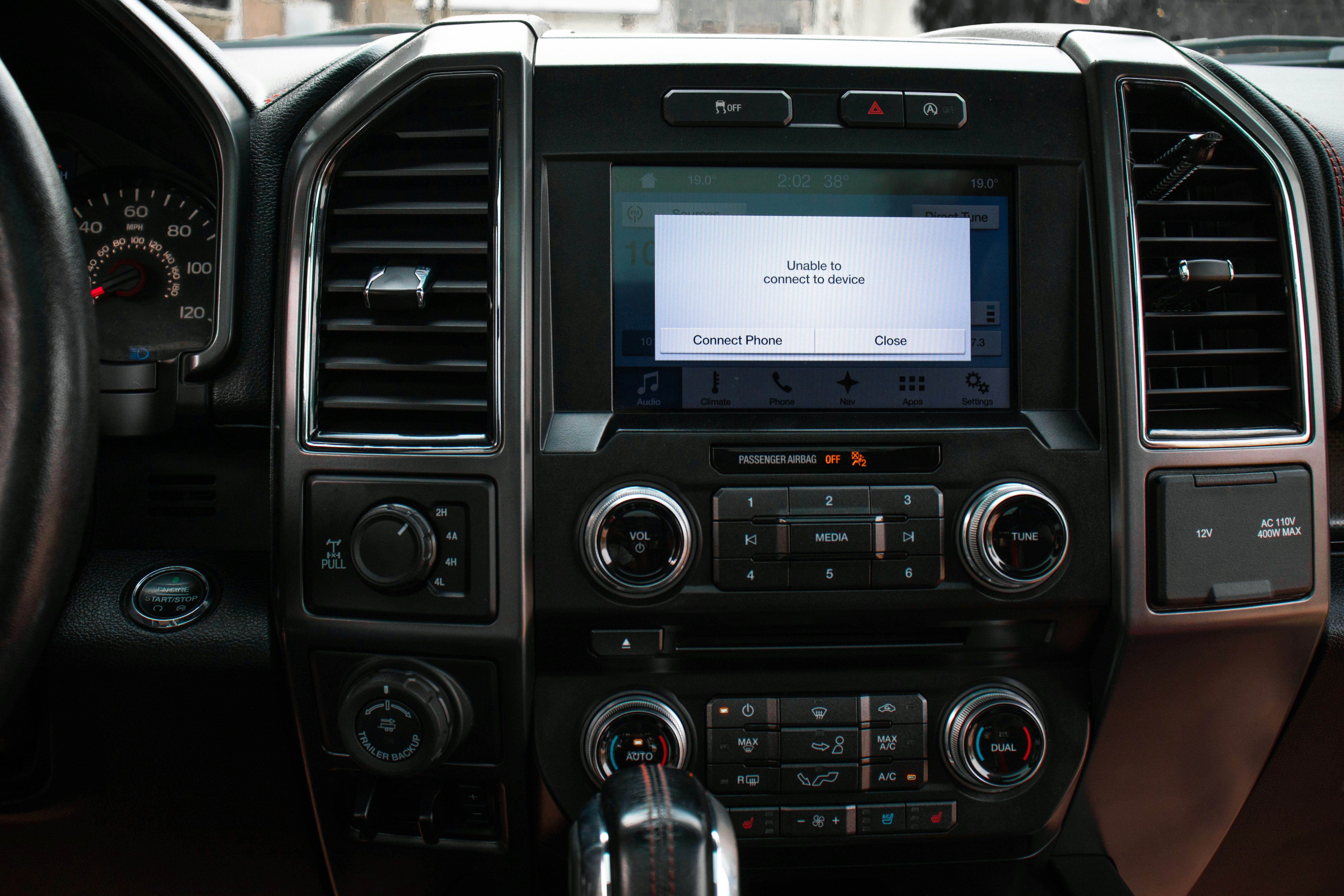
Introduction to Smart Connectivity in Cars
The automotive industry has undergone a significant transformation over the decades, evolving from basic mechanical systems into complex digital platforms characterized by smart connectivity. This evolution has been driven by advancements in technology, particularly in the realm of wireless communications. Today, vehicles are not merely modes of transportation but are increasingly viewed as interconnected devices that enhance the driving experience through various digital functionalities.
Smart connectivity in automobiles refers to the integration of technologies that enable vehicles to connect with the internet and various devices, facilitating real-time data exchange and communication. This capability allows vehicles to access a plethora of services and features, including navigation, entertainment, and safety systems. The ability to connect enables manufacturers to implement over-the-air updates, improving vehicle performance and security without requiring a visit to a service center.
The importance of wireless connectivity in modern automobiles cannot be overstated. As consumers increasingly demand seamless connectivity experiences akin to those found in their smartphones, automakers are compelled to adopt innovations such as 4G, 5G, and Wi-Fi connectivity. These technologies not only enhance the end-user experience but also provide critical data for predictive maintenance, enhanced safety features, and more efficient traffic management systems.
Among the key technologies enabling smart connectivity are Vehicle-to-Everything (V2X) communication systems, which allow vehicles to communicate with their surroundings, including infrastructure and other vehicles. Additionally, embedded telematics units facilitate communication with cloud services, enabling features such as remote Diagnostics and automated alerts. As we delve deeper into the various facets of smart connectivity in automobiles, it is essential to recognize its pivotal role in shaping the future of the automotive landscape.
Upgraded Wireless Connectivity Features
In the rapidly evolving landscape of automobiles, upgraded wireless connectivity features play a crucial role in enhancing user experience and functionality. Modern vehicles are increasingly equipped with advanced technologies such as 5G, Wi-Fi, and Bluetooth. These innovations facilitate seamless in-car communication, open up a plethora of infotainment options, and ensure consistent connectivity with the outside world.
The advent of 5G technology is particularly transformative for automotive connectivity. With significantly greater bandwidth and lower latency compared to its predecessors, 5G enables vehicles to access and transmit data at impressive speeds. This capability is instrumental for applications such as real-time navigation assistance and updated traffic information, allowing drivers to make informed decisions on the road. Moreover, the high-speed capability of 5G enhances features like cloud-based infotainment systems, which can stream content and update applications effortlessly, enriching the overall driving experience.
Wi-Fi connectivity in vehicles further complements these advancements, allowing passengers to connect their devices to the internet while on the move. This feature transforms the automobile into a mobile hotspot, enabling numerous devices to access data-rich services like streaming platforms and web browsing. Wi-Fi’s integration with other smart connectivity features also facilitates over-the-air updates for vehicle software, ensuring that the vehicle remains updated with the latest technological improvements without requiring a visit to a service center.
Bluetooth technology continues to be a staple in automotive connectivity, enabling hands-free communication and wireless audio streaming. The latest Bluetooth versions offer improved range and stability, allowing for uninterrupted connections with smartphones and other devices. This enhances safety by promoting discreet communication capabilities while driving.
Incorporating these upgraded wireless connectivity features not only transforms the functionality of contemporary vehicles but also significantly enhances the overall experience for drivers and passengers alike. As automotive technology continues to evolve, these features will remain pivotal in shaping the future of smart connectivity in automobiles.
Advancements in Entertainment Systems
The integration of smart connectivity in automobiles has profoundly transformed entertainment systems, leading to a dynamic shift in how passengers engage with digital content while on the move. In contemporary vehicles, entertainment options extend far beyond traditional radio and CDs, as the convergence of technology and automotive design fosters a more immersive user experience. Passengers now have access to a plethora of streaming services, allowing them to listen to music, podcasts, and audiobooks, or watch movies and television shows effortlessly. This improvement caters not only to personal preferences but also to varying tastes among passengers.
Advances in user interface design have significantly enhanced interaction with these entertainment systems. Touchscreen displays that integrate with smartphones and tablets allow for seamless navigation through various media applications. Voice recognition technology further streamlines this experience, enabling hands-free operation, which is essential for safety. Additionally, many systems now offer customization options, allowing users to personalize their entertainment experiences. For instance, passengers can create their own playlists, set parental controls, and even adjust audio settings to tailor their listening experience.
Furthermore, entertainment systems are crucial in enriching passenger comfort and engagement during travel. Features such as integrated gaming platforms and social media connectivity transform the vehicle into a social hub, allowing families and friends to bond during long journeys. Such innovations not only entertain but also mitigate the stress associated with travel, making experiences more enjoyable. As automakers increasingly prioritize advanced entertainment solutions, the appeal of modern vehicles continues to rise, aligning with the expectations of a digitally connected society. These advancements underscore the vital role of entertainment systems in the evolution of smart connectivity in automobiles.
Network Security Solutions for Connected Cars
The proliferation of smart connectivity in automobiles has fundamentally transformed the automotive industry, leading to highly sophisticated vehicles that enhance driver experience and safety. However, with these advancements comes an increased vulnerability to cyber threats. As cars become more integrated with various technologies, including the Internet of Things (IoT), they face significant risks associated with network security breaches. Such incidents can lead to unauthorized access to critical vehicle systems, posing threats not only to data privacy but also to passenger safety.
One of the primary challenges in securing connected cars lies in their complex ecosystem. Vehicles now incorporate numerous electronic control units, connected applications, and various communication networks, making it difficult to ensure that all components are adequately protected. A breach in any part of this system can have cascading effects, resulting in potential malfunctions or, worse, catastrophic incidents involving loss of control of the vehicle.
To address these pressing concerns, the industry is actively developing cutting-edge network security solutions tailored for connected cars. These include advanced encryption techniques, real-time monitoring systems, and updated firmware to safeguard sensitive data, such as location and driver behavior. Additionally, research into artificial intelligence (AI) is being utilized to predict and mitigate potential threats by identifying unusual patterns in vehicle communication.
Regulatory measures are also evolving to keep pace with technological advancements. Governments and industry bodies are implementing stringent security standards for automotive manufacturers, mandating regular audits and compliance assessments to ensure robust safety protocols are in place. It is crucial for automakers to recognize their responsibility in maintaining these security standards, as they play a pivotal role in fostering consumer trust and reducing the likelihood of security vulnerabilities in smart vehicles.
You might also like:
- 28 Years Later: The Bone Temple Director: “I Was once Disillusioned”
- Highlights from the ATP Finals 2025: Key Matches and Moments
- We can also merely contain even much less management over how prolonged we’re living than beforehand thought
- Cotton: Alternate to marijuana drug classification ‘a step in the corrupt course’
- Crypto billionaire to reformatory: CZ’s autobiography revisits turbulent Binance technology
