
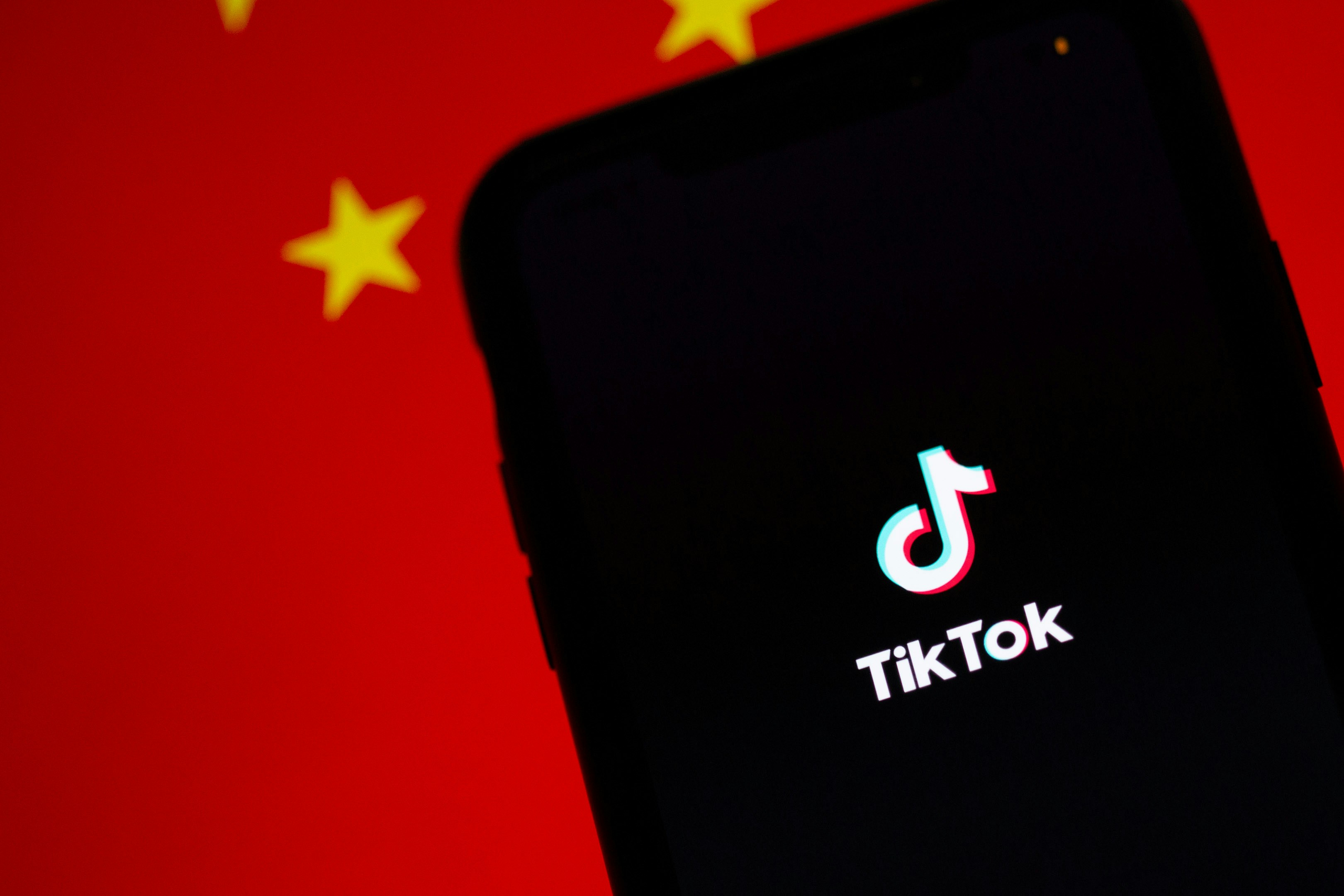
Overview of the TikTok Deal
The recent agreement between the United States and China regarding TikTok represents a significant milestone in the complex landscape of international economic relations. This definitive deal, which culminated from months of negotiations, highlights the efforts made by both nations to address pressing concerns related to national security and data privacy. The key players in this agreement include TikTok’s parent company, ByteDance, and various stakeholders from both the US government and Chinese regulators. Their involvement underscores the intricacies of navigating corporate governance while adhering to the political implications tied to data management.
The timeline of negotiations began in earnest in early 2023, spurred by growing apprehensions in the United States about TikTok’s data practices and potential surveillance risks linked to its Chinese ownership. Subsequent rounds of discussions sought to establish a framework ensuring greater transparency and security in how user data is handled. As a result, the deal stipulates that ByteDance must implement stringent data protection measures and potentially divest certain assets to render TikTok US-specific, thereby alleviating governmental concerns.
This agreement not only serves to assuage fears surrounding user data but also sheds light on the economic implications for TikTok and its massive user base. For TikTok, the deal paves the way for improved operational stability in the US market, allowing it to continue its growth trajectory while retaining millions of engaged users. The arrangement further signifies an opportunity for ByteDance to reinforce its global standing amidst a challenging geopolitical backdrop, as the deal emerges from a period of escalating tensions between the two superpowers. A successful implementation will determine not only TikTok’s future but may also set a precedent for tech companies navigating international relations and regulatory scrutiny.
Impact on US-China Relations
The recent TikTok deal between the United States and China represents a significant moment in the ever-evolving dynamics of their bilateral relations. As both nations navigate their economic negotiations, this agreement serves as a potential turning point in a historically fraught partnership characterized by trade wars and diplomatic disagreements. The implications of this deal extend beyond the confines of the social media platform, as it may signify a willingness to engage in dialogue and find common ground.
One of the most notable aspects of the TikTok agreement is the economic interest both countries hold in maintaining a functional relationship. For the U.S., addressing security concerns while allowing a critical platform to operate is essential not only from an economic standpoint but also in preserving its status as a global leader in technology and innovation. On the other hand, China seeks to bolster its technology exports and cultivate a friendly international business environment that encourages investment.
However, it is essential to acknowledge that while the TikTok deal reveals a potential thaw in tensions, it may serve as a temporary solution rather than a permanent resolution to ongoing disputes. The underlying issues driving the U.S.-China trade war, including intellectual property rights, market access, and regulatory compliance, remain unresolved. Thus, the success of this agreement could set a precedent for future negotiations and partnerships, highlighting the importance of continued discussions between the two nations.
In examining the strategic interests at play, this deal may pave the way for further agreements, signaling to both international markets and political leaders the potential for collaboration. Yet, the broader sentiment surrounding U.S.-China relations remains cautious, as both sides must navigate their complex histories and priorities while embracing opportunities for cooperation.
Framework for Future Trade Deals
The recently established framework for future trade deals resulting from the TikTok agreement marks a significant evolution in US-China economic relations. This framework is designed to foster cooperation between the two nations, while addressing critical issues surrounding trade, technology, and market access. It serves as a roadmap for future negotiations, aiming to create a more transparent and predictable environment for businesses operating across borders.
At the heart of this framework is the objective of enhancing bilateral trade relations by establishing clear guidelines that promote fair competition. Both countries will likely seek to reduce trade barriers and create opportunities for their industries to thrive. Technology will play a pivotal role in this arrangement, as both the US and China recognize that innovation drives economic growth. There will be an emphasis on collaboration in emerging sectors such as artificial intelligence, renewable energy, and digital commerce.
However, the framework also outlines potential areas for conflict. Intellectual property rights remain a contentious topic, and ongoing vigilance will be necessary to ensure both parties address violations effectively. Furthermore, regulatory issues linked to data privacy and security will need to be managed delicately. Navigating these challenges will require ongoing dialogue and a commitment to finding common ground, which will be crucial in sustaining a healthy economic relationship going forward.
In addition, this framework emphasizes the importance of mutual respect for each nation’s economic sovereignty. As the global landscape continues to evolve, the US and China will need to adapt their strategies to maintain a fair and equitable trading relationship. The response to this agreement will likely serve as a litmus test for future economic engagements, demonstrating how both economies can harmoniously navigate their intertwined interests while addressing challenges with diplomatic acumen.
Potential Reactions from Key Stakeholders
The recent TikTok deal between the United States and China is poised to spark a variety of reactions from different stakeholders, each influenced by their unique perspectives and interests. Government officials on both sides will likely scrutinize the agreement through a lens of national security and economic strategy. U.S. officials may express cautious optimism regarding data privacy safeguards, particularly in ensuring that user information is not misused or accessed by foreign entities. Conversely, Chinese officials might view the deal as a necessary compromise that still protects their technological assets while allowing for international collaboration.
Industry leaders will undoubtedly weigh in on the economic implications of this agreement. For tech companies operating in similar realms, there may be concerns about the precedent this deal sets for future regulations and the potential for increased governmental oversight. Industry experts may also speculate on how the agreement could affect market competition, particularly if it leads to a booming interest in data-driven platforms that prioritize user engagement while addressing privacy concerns. Stakeholders may advocate for clearer guidelines that delineate acceptable practices, benefiting the entire tech ecosystem.
The TikTok community, including influencers and creators, may react with mixed emotions. For content creators, a sense of relief might prevail if this deal fosters stability within the platform, ensuring its continued viability. However, some users could voice apprehensions regarding their data security, feeling that their personal information and creative outputs could be at risk under new regulations. Public opinion is another crucial factor; as media coverage influences perceptions, it’s likely that debate will arise regarding the transparency and effectiveness of the deal. As reactions from these stakeholders unfold, they will collectively shape the political landscape, highlighting existing tensions and areas for potential cooperation between the U.S. and China.
You might also like:
- Chinese Reactions to U.S. Actions in Venezuela
- Top 5 Countries with the Largest Economies in the World
- Android 17 QPR1 Beta 3 at final enables partial screenshots, however now not for everyone – Android Authority
- Disruption of Flights Across Greece Due to Technical Failure
- Charlie Puth Mixes a Tune The employ of Take a look at Kitchen Residence equipment
