
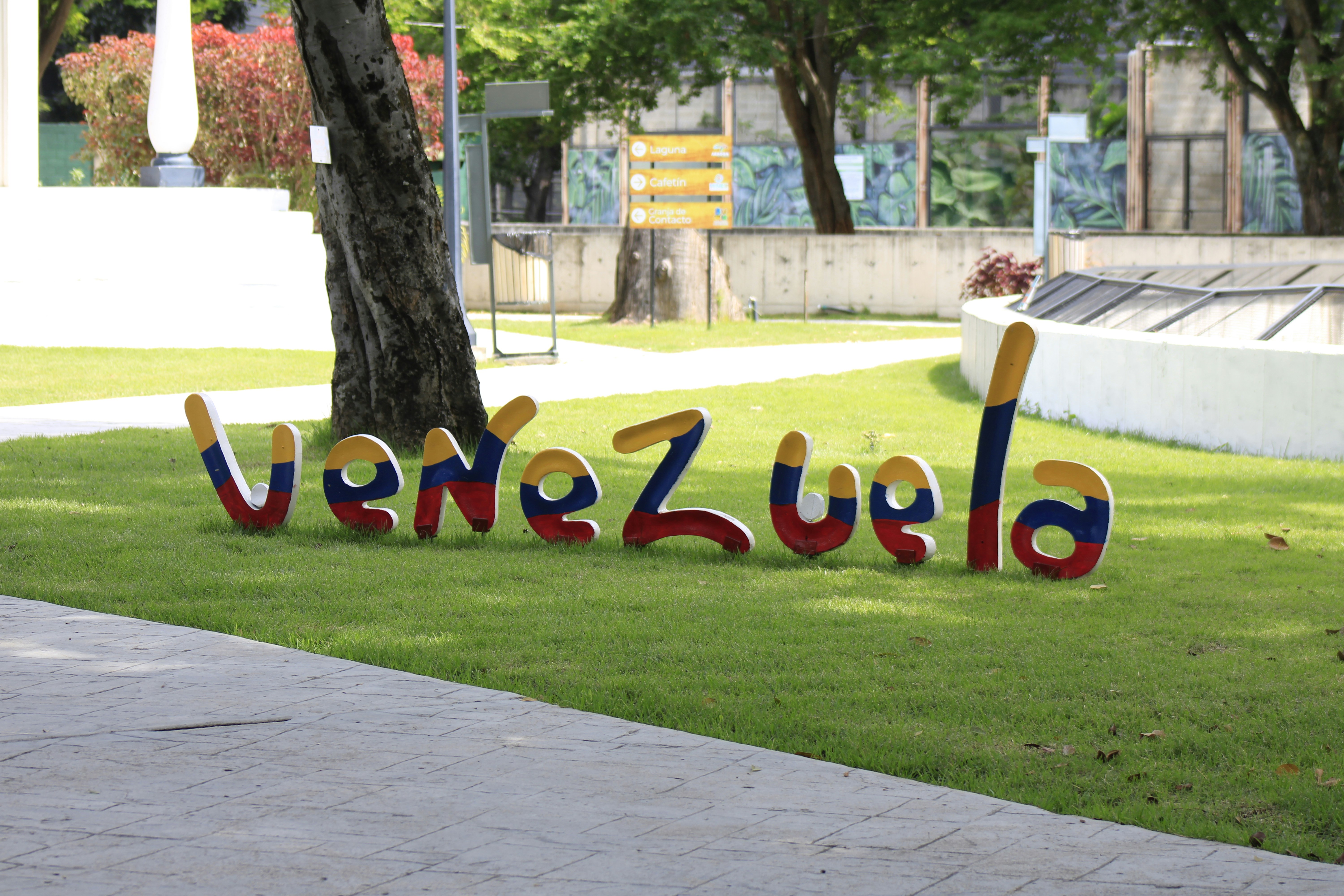
Introduction to the Venezuelan Crisis and U.S. Involvement
The Venezuelan crisis is characterized by a complex interplay of political, economic, and humanitarian challenges that have plagued the nation for several years. The political landscape is dominated by the struggles between the ruling regime, led by President Nicolás Maduro, and opposition groups, leading to significant instability. Maduro’s governance has been marked by widespread allegations of authoritarianism, electoral fraud, and human rights violations, which have galvanized domestic and international condemnation.
The country’s once prosperous economy has been decimated, leading to hyperinflation and severe shortages of basic necessities such as food and medicine. These economic hardships have resulted in millions of Venezuelans fleeing to neighboring countries, creating a regional humanitarian crisis of unprecedented proportions. According to estimates, over six million people have left Venezuela due to the dire conditions, placing immense strain on the host nations.
In response to these unfolding events, the United States has engaged in various forms of intervention aimed at destabilizing Maduro’s regime. Strategies have included imposing sanctions, supporting opposition leaders, and, most recently, planning airstrikes targeted at critical military installations associated with Maduro’s government. Recent intelligence reports indicate that these airstrikes are an effort to further weaken the regime’s grip on power and facilitate a potential transition to a more democratic governance structure.
These developments have raised questions about the future of Venezuela, the potential for regime change, and the U.S.’s role in shaping this future. Observers suggest that recent actions could lead to significant geopolitical shifts in the region, particularly if the U.S. plays an active role in the country’s recovery and stabilization processes. The evolving situation offers both risks and opportunities that merit close examination.
Secretary of State Marco Rubio’s Statements on Trump’s Options
In recent discussions surrounding U.S. intervention in Venezuela, Secretary of State Marco Rubio has articulated several options that President Trump might consider as the political situation in the country evolves. Rubio’s statements reflect a multidimensional approach that encompasses both diplomatic initiatives and potential military action. He emphasizes the necessity for the United States to take a proactive role in advocating for democracy and human rights in Venezuela.
One of the primary angles Rubio has highlighted is the importance of diplomacy. He suggests that the U.S. could pursue alliances with democratic nations in the region to exert collective pressure on Nicolás Maduro’s regime. This entails not only leveraging economic sanctions but also rallying international support to address the humanitarian crisis afflicting the Venezuelan populace. In his view, a coordinated diplomatic strategy could lay the groundwork for a peaceful transition of power.
However, Rubio has also indicated that military options remain on the table if diplomatic efforts fail to yield results. He stresses that the U.S. must be prepared to intervene if the situation deteriorates further. This perspective aligns with a broader narrative of American interventionism, where the U.S. assumes a role as a global enforcer of democratic ideals. The Secretary’s comments underscore the complexities involved in formulating a coherent strategy, as military escalation carries significant risks not only for U.S. foreign relations but also for the stability of the region.
Rubio’s insights into Trump’s potential next steps serve to illustrate the balancing act required in U.S. foreign policy towards Venezuela. By contemplating both diplomatic and military options, the administration endeavors to navigate a path that prioritizes humanitarian assistance while also remaining steadfast against authoritarianism. Such strategies highlight Rubio’s influential role in shaping an assertive U.S. stance on Venezuela, reflecting a commitment to confronting political oppression and fostering democratic governance.
Reactions from the International Community and Venezuela
The international community has expressed a diverse range of opinions regarding the recent U.S. military actions in Venezuela, particularly the airstrikes aimed at capturing President Nicolás Maduro. The United Nations has urged for a measured response, emphasizing the need to prioritize peace and diplomacy rather than military intervention. In this spirit, they request that all parties involved engage in dialogue to resolve the escalating crisis rather than exacerbate tensions.
Neighboring Latin American countries have reacted with caution. Nations such as Colombia and Brazil are wary of the potential spillover effects that U.S. actions might have on regional stability. While some leaders have expressed support for the U.S. strategy, others raised concerns that military intervention could lead to further unrest and displacement of Venezuelans seeking refuge across borders.
On the opposing side, Russia has strongly condemned the U.S. actions, calling them an infringement on Venezuela’s sovereignty. Moscow has reiterated its support for Maduro’s government, which it views as a bulwark against U.S. influence in Latin America. This reaction signifies not only a conflict in the geopolitical landscape but also highlights the potential for a new Cold War dynamic, wherein global powers vie for control and influence over smaller nations.
The Venezuelan public remains divided in their responses to these developments. While some citizens and opposition groups have welcomed the prospect of a U.S.-backed transition, viewing it as a potential end to Maduro’s controversial regime, others fear the chaos and instability that military actions could bring. The overall sentiment is mixed, with many Venezuelans prioritizing peace over military solutions. As events unfold, the future of Venezuela hangs in a delicate balance, with global ramifications likely to shape its trajectory. The complexity of this situation underscores the interplay between local sentiments and international politics, stressing the necessity for a considerate approach moving forward.
Future Scenarios for Venezuela Post-Intervention
The prospect of U.S. intervention in Venezuela raises a multitude of scenarios encompassing both positive and negative outcomes for the beleaguered nation. Analysts point out that the intervention could catalyze substantial changes in governance. If U.S. support leads to the ousting of Nicolás Maduro, there is potential for the establishment of a transitional government that prioritizes democracy and human rights. Such an outcome, while optimistic, requires careful navigation of local dynamics and regional politics, as a shift in leadership could also incite retaliatory actions from Maduro loyalists and other factions within Venezuela.
Conversely, the implications of military or economic interventions could exacerbate existing instability. Experts warn that any miscalculation on U.S. involvement might lead to increased violence and put civilians at greater risk. The humanitarian crisis could further worsen, with millions already displaced and rampant shortages of food and medical supplies. The destabilization of Venezuela can ripple throughout South America, invigorating leftist movements that oppose U.S. interventionist policies.
Some geopolitical analysts suggest that U.S. actions might also encourage greater collaboration among neighboring countries, such as Colombia and Brazil, to address the flow of refugees and asylum seekers fleeing Venezuela. Alternatively, foreign powers such as Russia and China may increase their involvement, complicating matters for the U.S. and hindering efforts at establishing a stable and cohesive international response.
In summary, the future of Venezuela hinges significantly on U.S. intervention’s execution and the broader international community’s response. As speculation continues, the outcomes will impact not only Venezuela’s immediate future but also set precedents for U.S. foreign policy in the region. Observing how these dynamics unfold is essential for understanding Venezuela’s fate going forward.
You might also like:
- Friedrich Merz Critiques U.S. Social Climate for Young People
- Korean War Hero: William Speakman-Pitt, Victoria Cross
- Decoding 10 Essential Proven Success Hacks
- Dave Chappelle and the Saudi Royal Household Deserve Each and each Other
- The Federal Reserve Cuts Interest Rates: Implications for the Economy
