
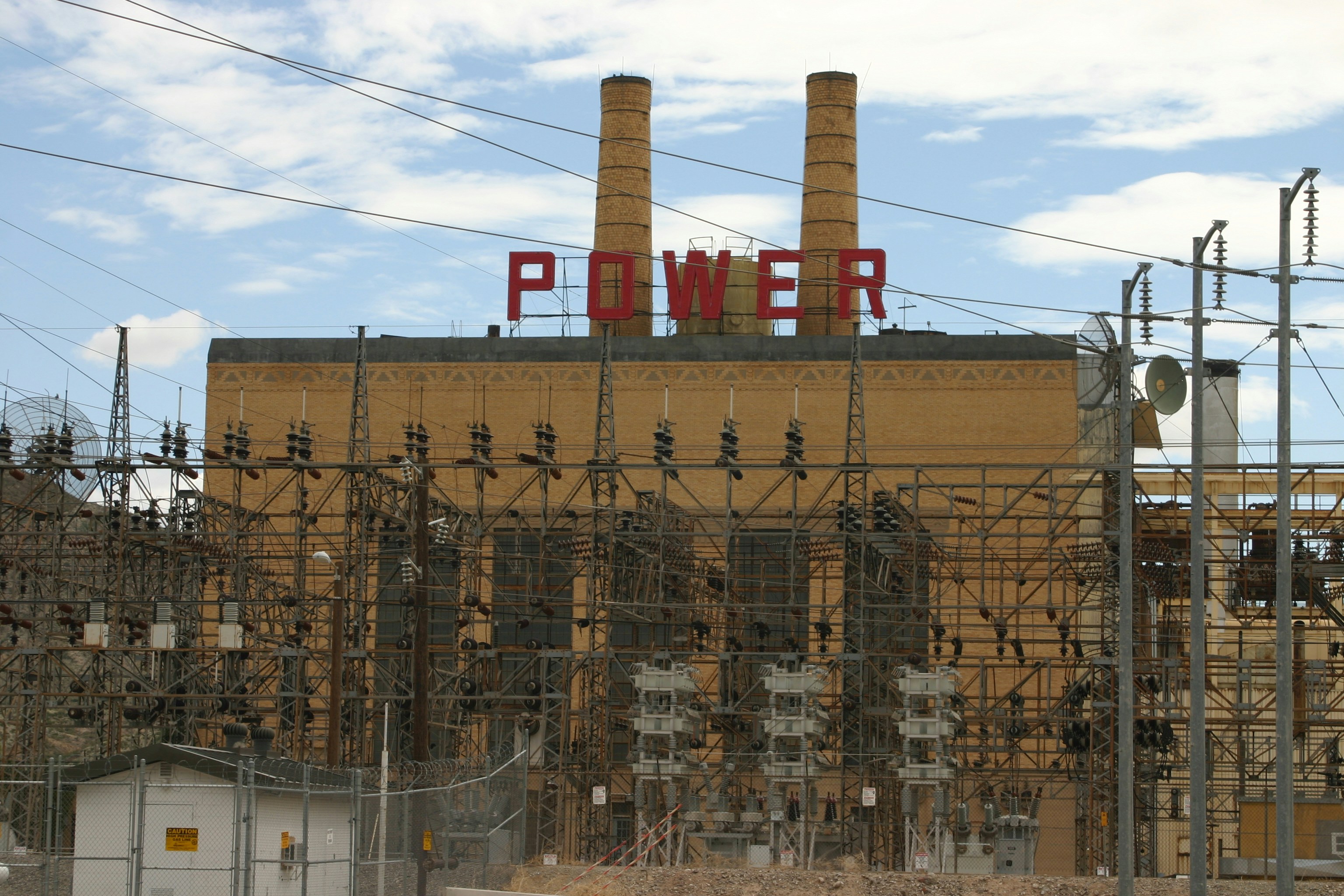
Understanding the Crisis Context: The Surge in AI Demand
The landscape of electricity demand is undergoing a significant transformation, catalyzed largely by the increasing reliance on artificial intelligence (AI) technologies. As businesses integrate AI strategies into their operations, data centers that support these technologies require immense electricity, resulting in an alarming supply gap. This surge in demand has become particularly pronounced in recent years, as companies strive to leverage AI for competitive advantage.
In December 2025, for the first time in its history, PJM experienced a capacity auction failure, revealing the stark realities of an overstretched power grid. The capacity auction prices soared dramatically, serving as a clear indication of the mounting pressures faced by the electricity market. The spike in auction prices highlighted the increasing difficulty of maintaining reliable power supply amid burgeoning demand—especially as traditional power sources struggle to keep pace with the rapid growth of AI-related energy consumption.
The implications of this crisis extend beyond mere economic metrics; they raise significant concerns regarding the reliability of the PJM grid. With power generation struggling to meet the burgeoning needs driven by AI data centers, there is a heightened risk of outages and grid instability. Such challenges necessitate not only immediate action but also long-term strategies to ensure that the electricity supply can align with the volatile demands of an AI-powered future.
Several factors contribute to this crisis, including regulatory hurdles, infrastructure limitations, and the slower-than-expected transition to renewable energy sources. The combination of these elements underscores the urgency with which stakeholders, including PJM, must respond to mitigate the effects of this electricity shortage. Addressing these challenges is imperative to secure a stable energy future as reliant AI systems continue to proliferate in various sectors.
The Explosive Demand and Shrinking Supply: A Deep Dive
The electricity shortage crisis in PJM is exacerbated by a combination of rising demand and a constricting supply, particularly influenced by the proliferation of artificial intelligence (AI) data centers. These facilities, which are essential for processing vast amounts of data, have been major contributors to the increasing electricity demands. Current projections indicate that PJM’s peak load may experience substantial growth, reaching levels not previously recorded by 2030. The role of AI in this growth is undeniable, as these centers require continuous and significant power to operate efficiently throughout the day.
As organizations continue to invest in AI technologies, the energy consumption of data centers is expected to rise even further, amplifying the ongoing electricity demand. According to recent studies, AI and machine learning applications may alone account for a significant percentage of future power usage in the PJM region. This remarkable demand growth directly challenges the current power supply structure that is already strained.
However, the burgeoning demand from AI data centers is set against a backdrop of dwindling supply. The reliability of traditional baseload power generation has been compromised due to recent retirements of coal and nuclear plants. These closures have reduced the amount of dependable power available to meet the peak demands, presenting a widening gap between electricity generation and consumption. Consequently, this situation necessitates a critical evaluation of existing energy resources and a rethinking of energy policy to foster new generation capacities and sustainable practices.
Overall, the intertwined evolution of energy demands driven by AI advancements and a declining supply of reliable energy sources starkly illustrates the urgency of addressing the challenges faced by PJM. As we explore further into potential solutions, understanding these dynamics will be crucial for formulating effective strategies to mitigate the electricity crisis.
PJM’s Multi-Pronged Response Measures
In light of the ongoing electricity shortage crisis, PJM has adopted a multi-faceted approach to ensure a stable and reliable power supply. One of the key measures has been the government-led emergency auctions initiated during the Trump administration. These auctions are designed to procure crucial new power capacity and offer significant economic benefits, such as enhancing job security in the energy sector and encouraging investment in new technology.
The emergency auctions aim to attract a diverse range of power producers, which would help mitigate the risks associated with reliance on a limited number of energy sources. The anticipated new capacity from these emergency auctions is expected to bolster the grid’s resilience, providing much-needed electricity while simultaneously reducing vulnerability to supply disruptions.
Additionally, PJM is implementing its own initiatives, such as the introduction of ‘backstop auctions.’ These auctions serve as a safety net, ensuring that power generation is maintained, especially during periods of high demand. By establishing a structured framework for backstop auctions, PJM ensures that sufficient energy resources are readily available to meet consumer needs, even in critical circumstances.
Moreover, PJM is focusing on reforms aimed at improving grid interconnections and accelerating the construction of new power generation projects. These reforms are crucial in enhancing the overall efficiency of energy distribution and reducing bottlenecks that can hinder the flow of electricity across regions. By enabling better interconnectivity, PJM not only enhances collaboration between different power suppliers but also encourages the integration of renewable energy resources.
Through these various response measures, PJM aims to systematically address the immediate challenges posed by the electricity shortage crisis while laying down a solid foundation for a more sustainable and reliable power generation landscape in the future.
Reactions: Perspectives from Different Stakeholders
The emergency proposal presented by the PJM Interconnection has generated a spectrum of reactions from various stakeholders across the energy sector. Advocates such as the White House and the Edison Electric Institute express strong support for the initiative, underscoring its importance for ensuring a reliable power supply amidst the surging demand, particularly driven by advancements in artificial intelligence. They argue that facilitating a dependable electricity supply is vital for both economic growth and technological advancements. These supporters highlight the necessity of striking a balance between fostering innovation in AI and addressing the rising electricity costs that households face.
Proponents of the proposal argue that it represents a crucial step towards modernizing the energy grid. They assert that a reliable power supply is not only essential for technological development but also for maintaining the economic stability of regions heavily reliant on energy-intensive industries. The emphasis is placed on the urgent need to enhance grid reliability, which is seen as paramount in attracting investment and supporting sustainable economic growth.
On the opposing side of the debate, organizations like the Advanced Energy Economy have voiced significant concerns regarding PJM’s proposal. Critics, including energy expert Jigar Shah, assert that the initiative fails to address deeper systemic issues within the energy grid, such as inefficiencies and a persistent reliance on fossil fuels. They argue that simply proposing new power supplies does not tackle the root causes of energy shortages and does little to incentivize the transition towards renewable energy sources. This position advocates for a more comprehensive approach that goes beyond immediate supply solutions, urging a focus on sustainability and equitable energy distribution.
As discussions unfold, it becomes increasingly clear that stakeholder reactions reflect a broader dialogue about the future of energy in the United States, emphasizing the need for collaboration to ensure a sustainable and reliable grid for all.
You might also like:
- Space Bitcoin ETFs rupture 4-week inflow toddle as capital avoids ‘directional likelihood’
- Major Sports Event: Upcoming Match That Will Define Careers
- Destruction of the KK Park Scam Complex in Myawaddy: A Military Operation
- The Ongoing Russia-Ukraine Conflict: Tensions in Donetsk and Beyond
- Hugo Boss Reports Strong Q4 2025 Results Amid Brand Restructuring
