
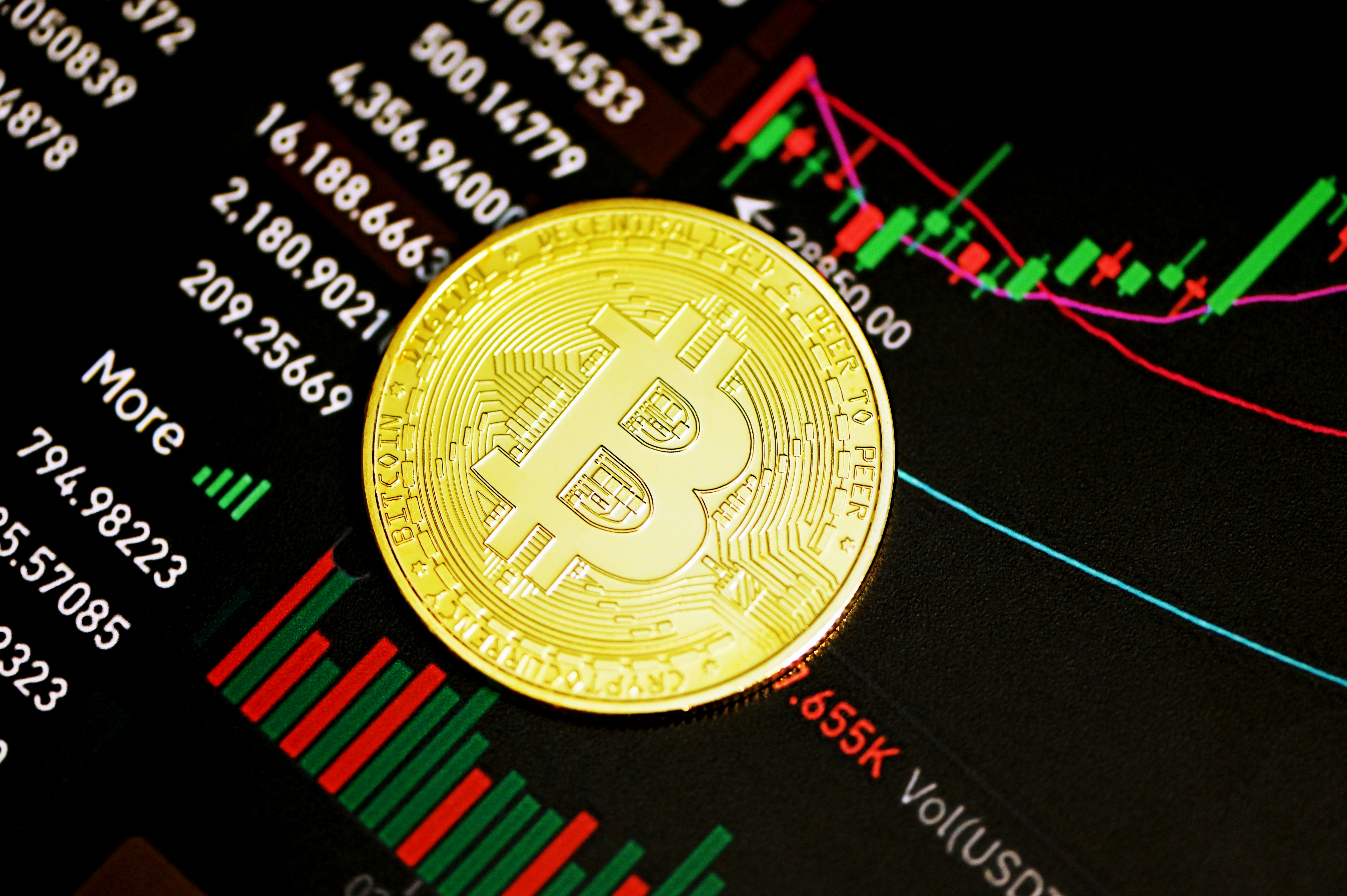
Introduction to Today’s Bitcoin Price
As of October 20, 2025, Bitcoin (BTC) is trading within the range of $107,000 to $111,500. This price point reflects an intriguing period in the world of cryptocurrency, highlighting Bitcoin’s continued volatility and the market’s ongoing evolution. The current Bitcoin price signifies not only the cryptocurrency’s resilience but also the market dynamics influenced by various macroeconomic factors and investor behavior.
The fluctuations in Bitcoin’s price can be attributed to a variety of elements, including regulatory developments, adoption by institutional investors, and broader economic trends. The past few years have seen an increasing number of corporations integrating Bitcoin into their balance sheets, fostering a growing acceptance of digital currencies within traditional financial systems. This acceptance has undeniably contributed to Bitcoin’s price stabilization and its climbing valuations, particularly in the context of the recent bear markets witnessed in the cryptocurrency landscape.
Furthermore, the crypto market is also influenced by factors such as market sentiment, technological advancements in blockchain technology, and competitor cryptocurrencies. As Bitcoin remains the market leader, its performance tends to impact the overall health and sentiment of the cryptocurrency markets. Observing the established price range allows investors to analyse and assess potential trends, assess risks, and evaluate the optimal timing for trading activities.
For newcomers and seasoned traders alike, understanding the current price levels is key to navigating the complex trade-offs inherent in the cryptocurrency landscape. With Bitcoin’s price currently oscillating between $107,000 and $111,500, the implications of these levels merit further exploration, as they set the tone for potential opportunities and challenges moving forward in this ever-evolving market.
Recent Price Movement and Volatility
The dynamics of Bitcoin’s price have exhibited a remarkable turnaround recently, drawing significant attention from investors and market analysts alike. Following a period of decline, where Bitcoin’s value dipped to a low of $103,500, the cryptocurrency witnessed an unexpected surge in price. This sudden recovery is noteworthy, considering Bitcoin’s historical volatility and the usual influences of market sentiment, regulation, and macroeconomic factors that tend to dictate its movements.
Over the past week, Bitcoin experienced fluctuations resulting in a distinct price rebound. The rise can be attributed to several factors, including an influx of institutional investment which tends to bolster confidence among retail investors. Furthermore, the decentralized finance (DeFi) ecosystem continues to thrive, indirectly creating increased demand for Bitcoin as it remains a core asset within the cryptocurrency market.
In the span of 24 hours alone, Bitcoin’s price exhibited notable volatility, characterized by rapid ascents and descents. Speculators took advantage of this volatility, contributing to both sharp increases and subsequent corrections, as is typical in cryptocurrency trading. Such patterns reveal the inherent risks involved, making it crucial for investors to remain vigilant and well-informed regarding market trends. Analysts are now observing whether this recent price movement signals a broader upward trend or if it is merely a fleeting reaction to market speculations and economic conditions.
This unpredictable nature, while daunting to some, also provides opportunities for astute investors. Monitoring these recent price movements is essential for understanding the potential future positioning of Bitcoin in the market, especially in light of its historical propensity for significant volatility. As the market continues to evolve and adapt, stakeholders must remain informed about the driving factors behind these fluctuations to navigate the Bitcoin landscape effectively.
Market Capitalization Overview
As of October 20, 2025, Bitcoin’s market capitalization has surged to approximately $2.145 billion, reflecting a significant increase of $21 billion from the day before. This rapid rise in market cap underscores the dynamic nature of the cryptocurrency market and highlights Bitcoin’s enduring appeal among investors. Market capitalization, which represents the total value of a cryptocurrency by multiplying its current price by the total supply of coins in circulation, serves as a crucial indicator of market health and investor sentiment.
The increase in Bitcoin’s market capitalization can be attributed to various factors, including heightened institutional interest, growing acceptance of cryptocurrencies as a legitimate asset class, and the ongoing advancements in blockchain technology. These elements collectively contribute to a robust demand for Bitcoin, thus driving up its value and market cap. Additionally, positive regulatory developments in several regions have instilled further confidence among investors, resulting in increased capital inflow into the Bitcoin market.
Market capitalization is often utilized as a metric to gauge the performance and stability of cryptocurrencies relative to traditional assets. A higher market cap generally suggests a more established and less volatile asset. Conversely, it also indicates a strong competitive positioning against alternative cryptocurrencies. In the context of Bitcoin, its current market cap signifies not only its dominance in the crypto sphere but also its potential resilience amid market fluctuations. Investors frequently monitor these metrics to assess their investment strategies, helping them to make informed decisions based on prevailing trends in the cryptocurrency ecosystem.
In conclusion, the current market capitalization of Bitcoin illustrates its influential role within the cryptocurrency landscape, demonstrating a promising ascent despite potential market challenges. Understanding market capitalization is essential for both current investors and potential entrants to the Bitcoin space, as it encapsulates the broader trends and sentiments that govern the cryptocurrency market.
Sign of Market Recovery
The cryptocurrency market has experienced significant volatility over recent years, particularly with the sharp declines that characterized 2022 and early 2023. However, recent trends suggest a potential recovery could be underway, indicating a positive shift in the Bitcoin price and the broader market landscape. Several key indicators support this notion, with market analysts observing a gradual uptick in investor confidence and trading volumes.
One of the most critical signs of recovery is the reclaiming of important support levels in Bitcoin’s price. For a healthy and sustainable market recovery, it is essential for cryptocurrency prices to stabilize above these support thresholds. The renewed interest in Bitcoin has led to a series of upward price movements, which have allowed it to not only bounce back from previous lows but also to consolidate gains at higher price points. This stabilization helps mitigate risk for both new and existing investors, reinforcing the notion that the digital asset is regaining its footing.
Moreover, increasing adoption rates of Bitcoin and other cryptocurrencies have played a pivotal role in this budding recovery. More institutional and retail investors are entering the space, seeking to benefit from the perceived value of Bitcoin as a hedge against inflation and currency devaluation. This surge in participation has injected liquidity into the market, essential for healthy price movements. In addition, major companies and financial institutions are exploring cryptocurrency integrations, further bolstering market confidence and establishing a more robust infrastructure.
As the market continues to observe these encouraging signs, it is essential to remain vigilant. While the current trends are hopeful, the ever-changing nature of the cryptocurrency sector requires continuous monitoring. The evolving landscape can yield different outcomes, and thus, diligent observation will be crucial to navigating through these fluctuations. Overall, the revival signals not just an upward trend for Bitcoin, but a potentially transformative era for the entire cryptocurrency market.
Optimistic Investor Sentiment
As of October 20, 2025, there has been a notable shift in investor sentiment within the cryptocurrency market, particularly concerning Bitcoin. Optimism has surged among investors, influenced by several key factors that have shaped current market conditions. One significant contributor to this growing confidence is the noticeable improvement in Wall Street’s market conditions. With traditional financial markets exhibiting resilience and a bullish trend, investors are increasingly looking towards alternative assets like Bitcoin as viable investment opportunities. This trend suggests that the integration of cryptocurrencies into broader investment portfolios is gaining traction.
Moreover, the alleviation of trade tensions between the United States and China has fostered a more stable macroeconomic environment, further reinforcing positive investor sentiment. Investors are reacting favorably to the easing of these tensions, viewing it as a catalyst for economic growth. This renewed sense of stability invites increased capital flow into various asset classes, including Bitcoin. Furthermore, improved regulatory frameworks and increased institutional involvement have bolstered the credibility of cryptocurrencies, encouraging more traditional investors to diversify their holdings.
Additionally, the resurgence of interest in Bitcoin and other cryptocurrencies has been fueled by a growing public awareness of blockchain technology’s potential. Many investors are now more informed about the advantages presented by digital currencies, which include decentralization, security, and the potential for high returns. The current market behavior indicates that optimism is not fleeting; rather, it reflects a broader acknowledgment of Bitcoin’s role in the financial ecosystem. As enthusiasm builds, the prospect of record highs in Bitcoin’s price continues to entice both new and seasoned investors, reinforcing the positive outlook on the cryptocurrency’s future.
Institutional Accumulation of Bitcoin
Recent data reflects a significant trend in the institutional investment space regarding Bitcoin. Over the past 30 days, on-chain analytics have revealed an impressive 8.4% increase in holdings by institutional investors, underscoring a robust commitment to the cryptocurrency. This surge in accumulation points towards a growing recognition of Bitcoin as a legitimate asset class, driven by the desire for diversification and potential hedging against inflation.
Institutions, including hedge funds, family offices, and asset management firms, are increasingly integrating Bitcoin into their portfolios. This shift is crucial as institutional participation tends to provide stability to the market, often leading to enhanced liquidity and reduced volatility. Notably, the accumulation trend indicates that major investors are confident in Bitcoin’s growth prospects, particularly in a global economic climate characterized by uncertainty. The influx of capital from these entities not only boosts the market’s overall health but also validates Bitcoin’s role as a store of value.
Furthermore, this wave of institutional accumulation is recognized for its influence on Bitcoin’s price dynamics. As more institutions enter the market, the available supply of Bitcoin diminishes, potentially leading to upward pressure on prices. This effect has been observed in previous instances, where significant institutional buys have correlated with price increases. Additionally, many institutions are adopting a long-term strategy, which is expected to further stabilize prices and foster a positive environment for Bitcoin’s future.
In conclusion, the ongoing institutional accumulation of Bitcoin illustrates a fundamental shift in market sentiment. With an 8.4% increase in holdings over the last month, it is evident that institutional investment plays a pivotal role in supporting the cryptocurrency’s value, thus reinforcing its stature within the financial landscape.
Macroeconomic Influences on Bitcoin Prices
The landscape of macroeconomic factors plays a crucial role in shaping the price of Bitcoin and influencing investor behavior within the cryptocurrency market. In recent years, several events, including economic downturns, government policies, and geopolitical tensions, have contributed to shifting investor perspectives regarding Bitcoin as a financial asset. Notably, the potential for a U.S. government shutdown highlights the intricate relationship between macroeconomic stability and cryptocurrency pricing.
During periods of economic uncertainty, such as a government shutdown, investors often seek alternative assets perceived as ‘safe havens’. Bitcoin, often characterized as digital gold, tends to attract attention during such times due to its decentralized nature and limited supply. This perception can bolster demand for Bitcoin, leading to price increases as investors pivot away from traditional fiat currencies and equities. The notion that cryptocurrencies could provide a buffer against the instability of governmental financial systems enhances their appeal as a resilient asset class.
Furthermore, central bank policies and inflation trends significantly impact Bitcoin’s valuation. For instance, when fiat currencies face devaluation due to high inflation rates or fiscal mismanagement, investors might turn to Bitcoin as a hedge. This shift reflects a broader sentiment that, unlike traditional currency affected by government decisions, Bitcoin offers a form of financial sovereignty. Accordingly, market movements can lead to increased demand for Bitcoin, consequently affecting its price dynamics. Macroeconomic factors foster this environment, highlighting the continued evolution of Bitcoin’s role in the financial ecosystem.
Overall, as macroeconomic conditions fluctuate, they invariably shape investor behavior and sentiment towards Bitcoin, reinforcing its status as a potentially stabilizing asset in uncertain times. The interplay of these factors underscores the importance of monitoring macroeconomic trends to better understand Bitcoin’s price movements and its future trajectory within the broader market context.
Analyst Predictions and Future Trends
As Bitcoin continues to evolve within the dynamic cryptocurrency landscape, analysts have become increasingly focused on its future price movements. Current market trends suggest that maintaining a critical support level of $108,500 will be essential for the upward trajectory of Bitcoin. This threshold represents not only a psychological barrier but also a technical anchor that can encourage further buying momentum. Should Bitcoin successfully hold above this price point, many experts predict the potential for significant upward movement towards the range of $110,000 to $112,000.
Market analysts highlight that the sustained performance of Bitcoin above critical price levels is often accompanied by bullish sentiment. Several indicators point to increased institutional investment, which may bolster Bitcoin’s legitimacy as a valuable asset. Additionally, the evolving regulatory landscape surrounding cryptocurrencies is likely to play a pivotal role in shaping future trends. As more regulatory clarity emerges, both retail and institutional investors may gain renewed confidence, further contributing to Bitcoin’s price appreciation.
Furthermore, technological advancements within the Bitcoin ecosystem, including improvements in transaction efficiency and network security, could enhance user experience and attract a broader base of investors. Analysts are also examining macroeconomic factors, such as inflation and geopolitical tensions, which can significantly influence investor behavior toward Bitcoin. In this uncertain economic environment, Bitcoin is frequently viewed as a hedge against inflation, prompting an increase in demand.
In conclusion, the future of Bitcoin’s price trajectory hinges on its ability to maintain critical support levels. Analysts remain optimistic about reaching the $110,000 to $112,000 range, provided that favorable market conditions prevail. Continuous monitoring of market trends and analyst insights will be essential for investors looking to navigate this complex and rapidly changing landscape.
Conclusion and Final Thoughts
In reviewing the current state of Bitcoin and its positioning in the cryptocurrency market as of October 20, 2025, it is evident that Bitcoin continues to demonstrate resilience in the face of price volatility. Despite experiencing fluctuations that might deter less experienced investors, Bitcoin has consistently managed to rebound, reinforcing its status as a primary digital asset.
Throughout this analysis, key trends have been highlighted, including the increasing institutional interest in cryptocurrencies, advancements in blockchain technology, and regulatory developments that are shaping the market’s landscape. These factors collectively suggest that Bitcoin is not merely enduring market instability but is instead carving out a more prominent role within the global financial system.
The optimism surrounding Bitcoin’s future is further supported by the growing adoption of cryptocurrencies as a means of transaction and investment. This shift reflects a broader acceptance among the general public and businesses alike, signaling a potential stability that may solidify Bitcoin’s value proposition. Furthermore, many analysts assert that the underlying fundamentals of Bitcoin remain strong, given its scarcity and widespread acceptance as a digital store of value.
As investors navigate the complexities of the cryptocurrency market, it is fundamental to maintain a balanced perspective. While short-term volatility can pose challenges, the long-term outlook for Bitcoin remains promising, marked by continued innovations and expanding use cases. In conclusion, the analysis of Bitcoin price information and market trends paints an optimistic picture for cryptocurrency enthusiasts and investors alike, encouraging a strategic approach to investing in this dynamic asset class.
You might also like:
- Tensions in the Strait of Hormuz: Global Shipping at a Standstill
- Super Hurricane Melissa: An Unprecedented Force of Nature
- South Korean court docket sentences ex-President Yoon to 7 years for charges at the side of resisting arrest – ABC Details – Breaking Details, Latest Details and Movies
- Donut Sugar Would maybe well Abet Stored Blood Final
- Maldivian Armed forces Diver Dies Whereas Browsing For The Our bodies Of Four Italian Divers
