
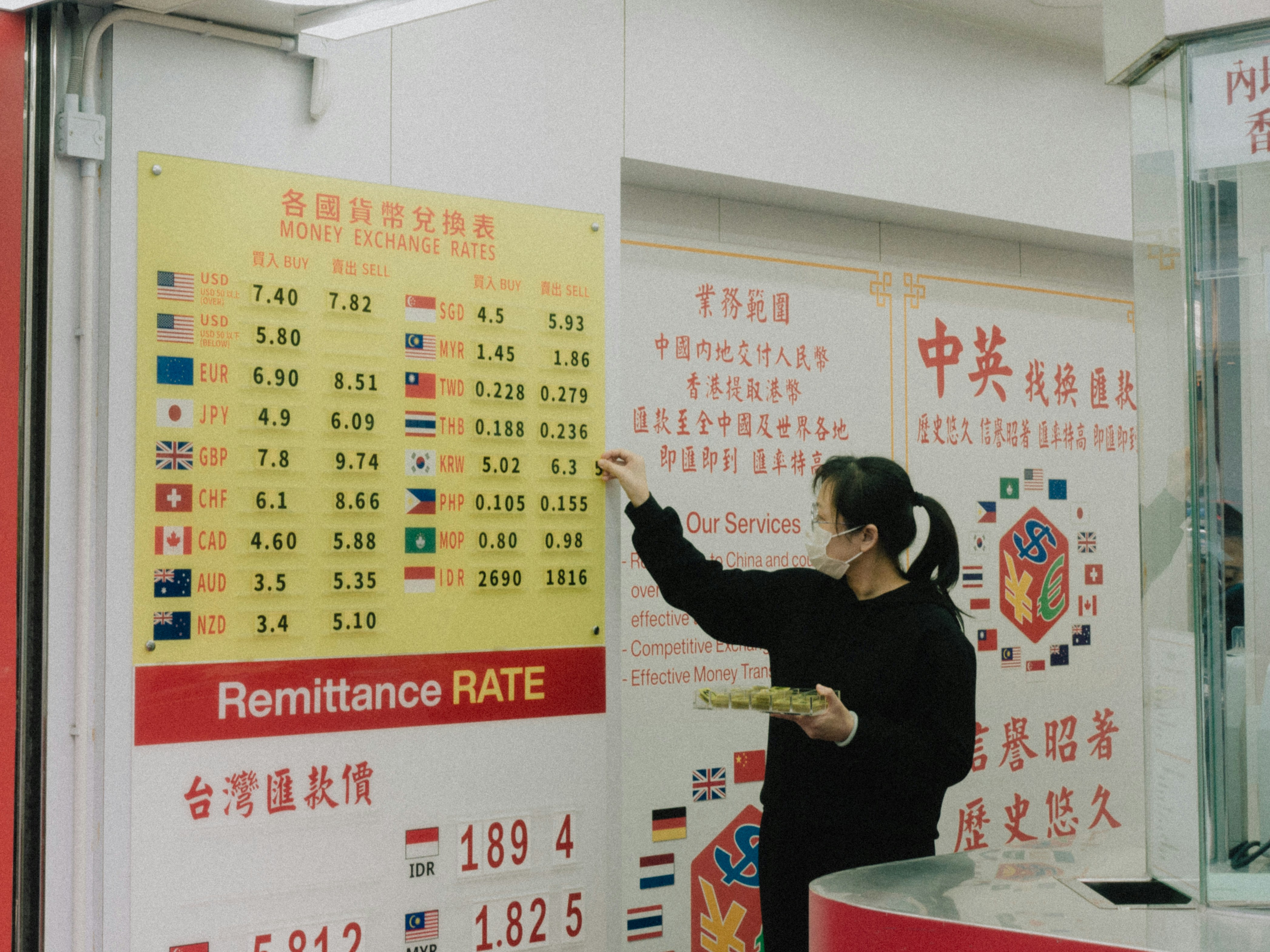
The Decline of the U.S. Dollar: A Detailed Overview
The recent decline of the U.S. dollar has captured the attention of economists and market analysts alike, as it has plummeted to its lowest level in nearly four years. This downward trend has raised significant concerns regarding the implications for both domestic and international markets. A pivotal moment occurred when President Trump made public remarks that appeared to downplay the seriousness of the dollar’s depreciation. His comments were interpreted by market players as indicative of the administration’s tacit approval of a weaker currency, which could potentially boost U.S. exports but also raises apprehensions about inflation and purchasing power.
Several key factors have contributed to the burgeoning weakness of the dollar. Dominantly, the expectations surrounding the Federal Reserve’s interest-rate cuts have fostered a more favorable environment for those betting against the dollar. As the central bank is anticipated to reduce rates to stimulate the economy, yields on dollar-denominated assets may decline, making them less attractive to investors. This perceived shift in monetary policy is a crucial contributor to the dollar’s vulnerability.
Furthermore, the backdrop of ongoing political and economic uncertainties provides a challenging landscape for the U.S. dollar. Issues surrounding trade policies, the geopolitical landscape, and domestic economic indicators further exacerbate the situation. These uncertainties can lead to volatility and fluctuations in the dollar’s value. The combination of reduced interest rates and heightened uncertainty has collectively resulted in a market environment where the dollar is under immense pressure.
Understanding these dynamics is essential for investors and policymakers alike, as they navigate the complexities of a weakened dollar and its broader impact on the global economy.
Drivers of Dollar Weakness
The current weakness of the U.S. dollar can be attributed to several interrelated factors that shape both market sentiment and economic forecasts. One significant driver is the recent remarks from President Trump, which have fostered uncertainty regarding future U.S. economic policies. His statements, often unpredictable, have caused investors to reassess their confidence in the stability of the dollar, leading to decreased demand for the currency.
In addition to political rhetoric, the Federal Reserve’s stance on interest rates plays a crucial role in the dollar’s valuation. Speculation surrounding potential interest-rate cuts has emerged as a dominant topic among economists and investors. The possibility of a lower interest rate environment suggests less attractive returns on U.S. assets, prompting capital flight to currencies of countries where higher yields might be secured. This has further contributed to the weakening of the dollar against its major counterparts.
Moreover, fiscal policy uncertainties loom large over the economic landscape. The ongoing debates regarding budget deficits, tax reforms, and government spending initiatives create an environment of doubt. Such uncertainty diminishes investor confidence, which is vital for maintaining the dollar’s strength. Investors often seek safe havens in times of turmoil, and when confidence in the U.S. economic leadership wanes, they may turn to alternative assets, further eroding the dollar’s value.
As these factors interconnect, they collectively impact investor sentiment and the dynamics of the currency market. Investors are likely to proceed with caution, closely observing political developments and monetary policy decisions. The interaction between presidential comments, the Federal Reserve’s moves, and uncertainty surrounding fiscal policies is essential in understanding the broader implications for the U.S. dollar and its positioning in the global marketplace.
Market Reactions: Currency Pairs and Safe-Haven Assets
The recent decline of the U.S. dollar has prompted notable movements in major currency pairs, resulting in significant shifts in the foreign exchange market. Following President Trump’s comments, the euro and the British pound have exhibited remarkable strengthening against the dollar. For instance, the euro has not only resisted the bearish sentiment surrounding the dollar but has also managed to climb to a multi-month high. This trend may reflect a market perception that the European economy is more resilient, particularly in contrast to recent developments affecting the U.S. economy.
Additionally, the British pound, which had consistently battled against a turbulent Brexit backdrop, has also shown considerable gains. Analysts attribute the pound’s upward momentum primarily to a weakening dollar, compounded by increasingly favorable economic signals from the UK. Such market dynamics highlight the fluid nature of currency pairs and how they respond to geopolitical and economic events.
Meanwhile, the Japanese yen, often regarded as a safe-haven currency, has also shown notable performance trends. Despite the dollar weakening, the yen’s appreciation is particularly interesting, given its historical tendency to strengthen during periods of market uncertainty. Investors may be flocking to the yen due to heightened concerns regarding global economic stability, reflecting a shift in sentiment towards safer assets amid the current volatility.
In conjunction with the movements in currency pairs, there has been a notable uptick in the performance of safe-haven assets, particularly gold. Investors have increasingly turned to gold as a protective measure, driving prices higher amidst fears of further dollar weaknesses. This movement signifies a broader trend in risk aversion, where market participants seek to preserve capital against potential downturns. The surge in gold prices illustrates the inverse relationship typically observed between the dollar and safe-haven assets, accentuating the ongoing uncertainty in the global economic landscape.
Future Implications and Policy Considerations
The recent weakness of the U.S. dollar, exacerbated by President Trump’s remarks, raises several future implications and demands careful consideration from both investors and policymakers. One of the most pressing concerns is the response from the Federal Reserve, which must balance interest rates and inflation. A weaker dollar can lead to increased costs for imports, potentially driving inflation higher. As international purchasing power decreases, the Fed may need to reassess its monetary policy, perhaps signaling adjustments in interest rates to stabilize the dollar.
Additionally, the implications of a declining dollar extend into the realm of international trade. A weaker dollar typically enhances the competitiveness of U.S. exports, potentially boosting economic growth in export-oriented sectors. However, this dynamic can also lead to trade tensions and retaliatory measures from other countries. Policymakers must navigate this complex landscape to foster a stable trading environment while avoiding potential economic repercussions stemming from adverse trade relationships.
Furthermore, investment strategies must evolve in response to the changing currency landscape. Institutional and individual investors are likely to evaluate their portfolios with a focus on sectors that benefit from a weaker dollar, such as commodities and international equities. Allocating resources towards foreign investments may become increasingly appealing as they may yield substantial returns amid currency fluctuations. Conversely, traditional American companies that heavily rely on imports may struggle to maintain profitability, raising questions about their long-term viability in a weaker dollar scenario.
In summary, the implications of the current U.S. dollar weakness prompt a critical examination of monetary policy, trade policies, and investment strategies. Investors and policymakers should consider the long-term ramifications of a weaker dollar on both the U.S. and global economies, ensuring they remain agile and informed in a continually evolving financial landscape.
You might also like:
- England Sets a New Record: Dominating Albania 2-0
- Jokes About Paradox: Must-Have Funny Humor for Finance Fans
- The Current Landscape of the World Silver Market: Trends and Insights
- Bharti Airtel’s Strategic Plan for Increased Stake in Airtel Africa
- Crypto losses from North Korea hackers in 2025 rose 51% YoY: List
