
Proposed Wealth Tax: A Central Campaign Issue
The proposed reintroduction of a wealth tax has emerged as a pivotal element in the political landscape of Denmark’s upcoming 2026 parliamentary election. Prime Minister Mette Frederiksen and her Social Democratic Party are advocating for the implementation of a 0.5% annual tax on net wealth that exceeds 25 million Danish kroner. This proposal is grounded in the belief that the wealthiest citizens should contribute a fair share to support national welfare and education initiatives.
Proponents of the wealth tax argue that it could significantly bolster government revenue, with estimates suggesting that the tax could generate substantial funds for public services. Supporters believe that the revenue generated could be directed towards improving social infrastructure, enhancing the quality of education, and strengthening Denmark’s welfare state. These initiatives are anticipated to resonate with many citizens who are increasingly concerned about income inequality and the distribution of wealth.
However, the proposal has sparked intense debate within the political arena. Within the ruling coalition, divisions have surfaced as members express differing opinions on the tax implications. Some coalition partners support the measure for its potential to address social disparities, while others are wary of its impact on investment and economic growth. Meanwhile, opposition parties have criticized the wealth tax as a punitive measure that could drive high-net-worth individuals out of the country, ultimately undermining Denmark’s economic stability.
The political discourse surrounding the proposed wealth tax illustrates broader themes of social justice and economic responsibility, igniting passionate discussions among the electorate. As the election approaches, the outcome of this debate will likely play a significant role in shaping the future of Denmark’s fiscal policy and the broader socio-economic framework of the nation.
Lifting the Nuclear Power Ban: A Policy Shift in Energy Generation
Denmark has long maintained a ban on nuclear power, a policy rooted in historical, environmental, and public safety concerns. For over 40 years, the nation has focused on renewable energy sources like wind and solar to meet its growing energy demands. However, with rising energy prices, climate change imperatives, and a need for reliable energy sources, discussions surrounding the reconsideration of this ban have gained momentum.
The Danish government is now exploring the potential of nuclear power, particularly through the lens of small modular reactors (SMRs). These advanced technologies are designed to be safer and more efficient than traditional nuclear power plants, bringing the possibility of a new wave of nuclear energy generation that aligns more closely with Denmark’s energy policies. Proponents argue that SMRs can provide baseload power while minimizing risks inherent in larger nuclear facilities.
Acknowledging the need for a thorough examination, the government has proposed a comprehensive analysis of nuclear technology, emphasizing the importance of safety and standardized regulations. This assessment will include potential site evaluations, public consultations, and environmental impact studies to ensure that any move towards nuclear energy adheres to Denmark’s stringent safety standards.
The timeline for decisions regarding nuclear energy will likely span several years, as lasting regulatory frameworks and public approval will be paramount. The objective is not only to enhance Denmark’s energy security but also to assess the viability of nuclear power as a sustainable solution within the context of the European energy landscape.
As the debate develops, stakeholders—from policymakers to environmental groups—will need to closely examine the implications of lifting the nuclear power ban, balancing concerns with the pressing need for sustainable and reliable energy options in the pursuit of Denmark’s climate goals.
The Future of Orsted: State Ownership and Political Views
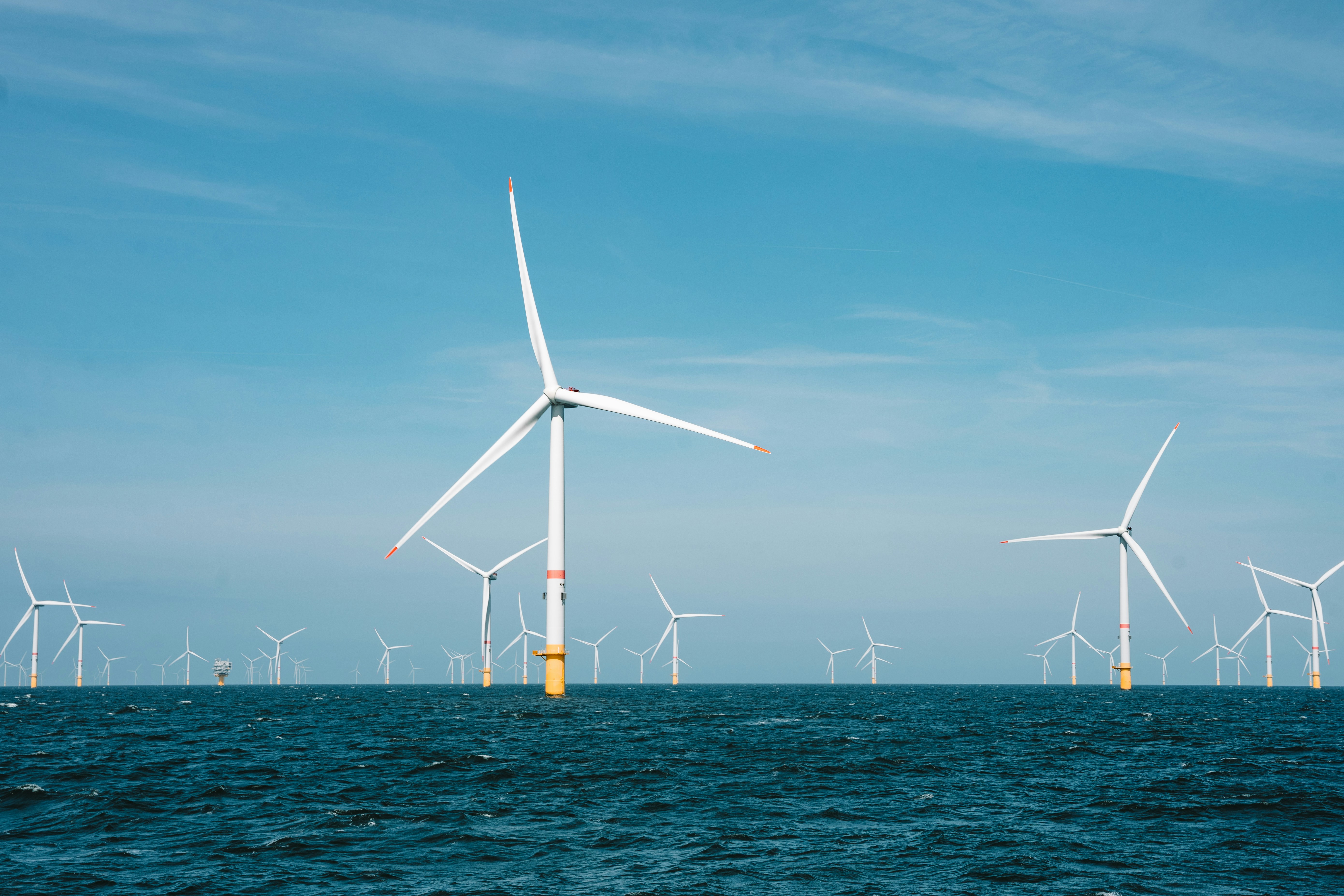
In the ongoing discourse surrounding Denmark’s energy landscape, Ørsted emerges as a focal point due to the Danish government’s majority stake in the company, which is pivotal in the offshore wind industry. With the state controlling 50.1% of Ørsted, a vigorous debate is unfolding regarding the future direction of state ownership in this key player of renewable energy. Right-wing opposition parties are advocating for the privatization of the government’s stake, arguing that such a move would bolster competition and innovation within the sector.
Proponents of privatization emphasize that a fully private Ørsted would be more nimble and responsive to market dynamics, potentially leading to enhanced operational efficiencies and increased investments essential for maintaining Denmark’s leadership in renewable energy. They contend that the pressures of public ownership can sometimes stifle necessary innovation and decision-making agility that is critical in an ever-evolving sector like offshore wind.
Conversely, left-wing parties argue that continued state involvement is paramount for ensuring that Ørsted prioritizes public welfare and environmental considerations over profitability. They contend that the government’s majority share enables it to direct the company toward achieving broader national goals, such as sustainability targets and energy security. Recent financial challenges faced by Ørsted—stemming from rising costs and market volatility—have intensified the debate, as both sides propose different strategies for navigating these obstacles.
The political implications of this debate extend beyond just financial metrics; they touch upon Denmark’s energy policies and the nation’s commitment to climate action. As the 2026 parliamentary election approaches, the resolution of this issue will likely play a crucial role in shaping Denmark’s energy future and the operational framework of Ørsted. Consequently, the decision on whether to maintain state ownership or pursue privatization will resonate through the broader context of Denmark’s renewable energy ambitions.
Election Context: Stakes, Polls, and Geopolitical Tensions
As Denmark approaches its parliamentary election in 2026, the political landscape is marked by significant stakes and uncertainties. Prime Minister Mette Frederiksen’s ambition to secure a third term offers a glimpse into the continuity of leadership in a nation facing both internal and external challenges. The Prime Minister’s Social Democrats have grappled with fluctuating support, and recent polls indicate a fragmented political environment lacking a defined majority. This dynamic requires careful navigation as parties vie for alliances and potential coalitions.
Among the key players is the centrist Moderates party, which has emerged as a crucial factor in the election narrative. Their positioning may influence coalition options significantly, depending on how they align with other parties post-election. The Moderates, advocating for pragmatic solutions, could act as a bridge between left and right parties, which may be essential in achieving governing stability if traditional party lines fail to secure a decisive electoral victory.
Domestic issues, particularly welfare policies, have been at the forefront of voters’ concerns. Social welfare’s role in enhancing citizens’ quality of life resonates deeply with the electorate. Rising living costs, healthcare access, and social services remain critical components that will sway public opinion and voter sentiment in the run-up to the election. Policymakers must address these concerns thoughtfully to engender trust and support.
Moreover, external factors such as geopolitical tensions, particularly related to Greenland, could have a significant impact on the electoral outcome. With an increased focus on Arctic policies and resource management, Denmark’s geopolitical positioning has become more pronounced. The interplay of these domestic and international issues adds layers of complexity that will undoubtedly shape the electoral landscape as the nation anticipates the vital 2026 election.
You might also like:
- Tragic Events at Brown University: The December 2025 Shooting During Finals Week
- The Musical Magic of Iyaz’s ‘Replay’: A Deep Dive into the Music Video Prequel
- Funny Humor: Must-Have Jokes for Everyday Activities
- Low-cost Every day Complement Appears to be like to Boost Mind Capabilities in Older Folks
- U.S.-Iran Tensions Rise Amid Economic Protests
