
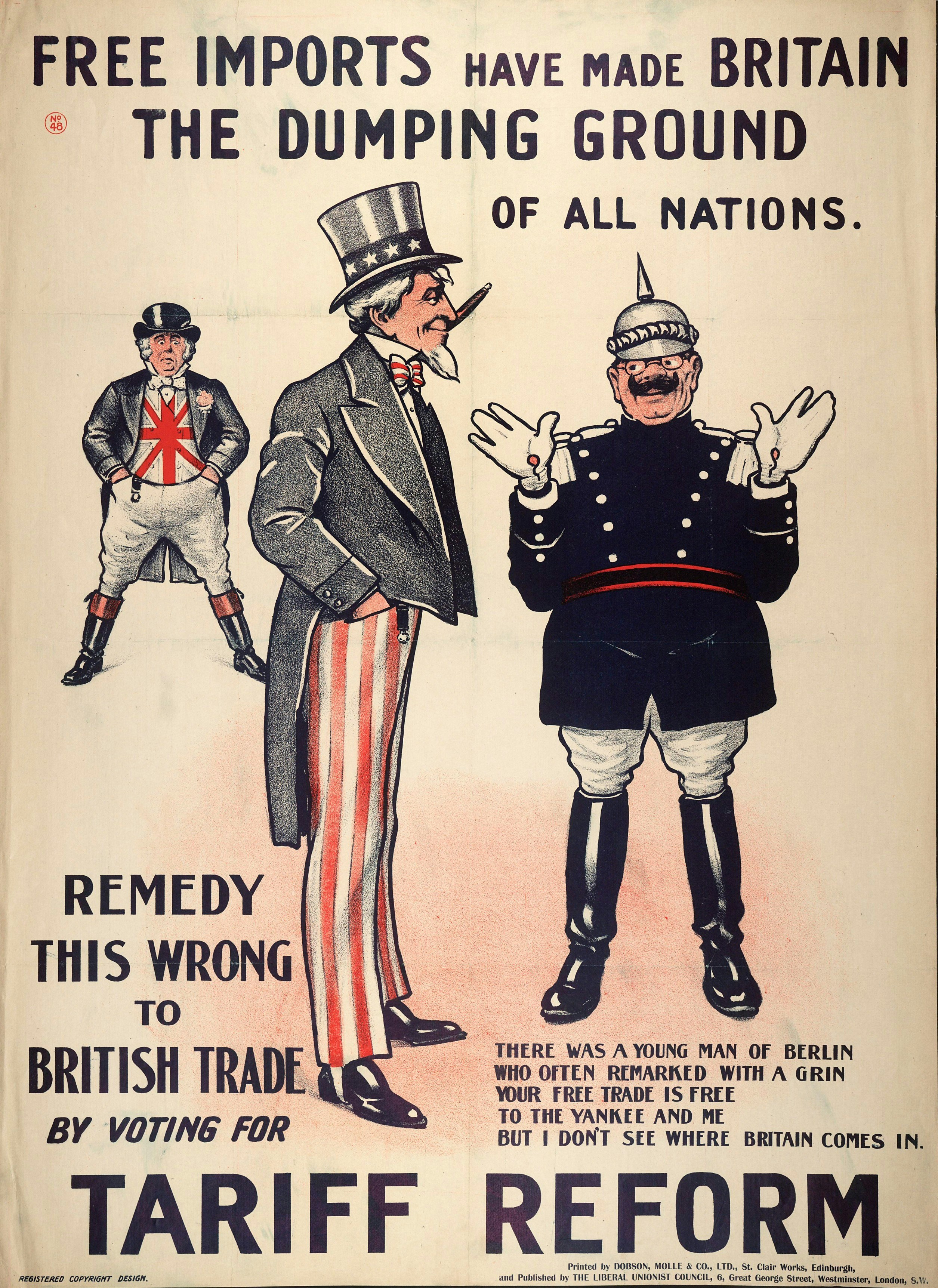
Introduction to the Controversy
The political landscape between the United States and Europe has been notably tumultuous during the presidency of Donald Trump. A defining moment in this ongoing tension emerged from Trump’s controversial remarks about Greenland and his simultaneous threats of imposing tariffs on European goods. These statements have sparked significant dialogue and concern among European leaders regarding the implications for transatlantic relations.
In 2019, President Trump expressed interest in purchasing Greenland, a territory of Denmark, which he described as a “strategic asset.” This unexpected proposition was met with skepticism and outright rejection by Danish officials, who emphasized that Greenland was not for sale. This incident exemplified Trump’s unconventional approach to foreign policy, prompting European leaders to question the reliability and sensibility of the U.S. administration’s diplomatic strategies.
Compounding these geopolitical tensions, Trump’s threats to impose tariffs on European imports highlighted a growing rift in trade relations. Under the guise of protecting American industries, the administration sought to penalize European goods, leading to retaliatory measures from European Union (EU) member states. This trade dispute has not only affected economic ties but has also stirred fears of a more fragmented global trading system.
The interplay of these controversies has raised critical questions about the future of U.S.-European relations. Many analysts argue that Trump’s actions symbolize a broader shift in American foreign policy, moving away from multilateralism towards a more isolationist approach. As leaders across Europe grapple with these developments, the political landscape remains highly dynamic, underscoring the need for ongoing dialogue and strategic engagement between the U.S. and Europe.
Responses from European Leaders
In light of President Trump’s controversial remarks regarding Greenland and his threats surrounding tariffs, various European leaders have expressed a range of reactions that reflect their diplomatic positions and concerns about transatlantic relations. The statements from these leaders not only signify their immediate responses but also indicate the broader implications for European unity and international diplomacy.
Denmark’s Prime Minister, Mette Frederiksen, swiftly responded to Trump’s suggestion of acquiring Greenland, labeling it as an absurd notion that undermines Denmark’s sovereignty. She emphasized that Greenland is not for sale and sought to reaffirm the long-standing partnership between Denmark and the United States. Her statement illustrates a strong defense of national dignity while maintaining a diplomatic tone.
Additionally, other European leaders have voiced their apprehension regarding the imposition of tariffs, which they see as detrimental to both European and American economies. German Chancellor Angela Merkel remarked that such trade wars ultimately lead to uncertainty, adversely affecting businesses on both sides of the Atlantic. This perspective underscores the potential economic fallout from heightened trade tensions and the importance of cooperative dialogue between nations.
Furthermore, a spokesperson for the European Union articulated a commitment to maintaining unity among member states, asserting that collective strength and collaboration are essential in the face of external pressures. The EU’s response emphasizes resilience and a cohesive strategy to navigate the complexities of geopolitical shifts and economic threats.
In contrast, some leaders perceive Trump’s approach as a wake-up call, urging European nations to bolster their own strategic independence. This sentiment recognizes the necessity for European countries to take a firmer stance on global issues while navigating a rapidly changing political landscape. The varied responses collectively highlight the ongoing challenges and opportunities that arise in international politics, particularly regarding U.S.-European relations.
Implications for U.S.-European Relations
The recent controversial remarks by President Trump regarding Greenland and his tariff threats have sparked significant discussions concerning the future of U.S.-European relations. Historically, the United States and Europe have maintained a robust alliance, characterized by mutual economic interests and shared democratic values. However, these remarks highlight a potential shift in how the U.S. engages with its European partners.
Trump’s tariff threats could lead to increased tensions between the United States and European nations. Tariffs fundamentally alter the dynamics of international trade, influencing the flow of goods and services between nations. For instance, if the U.S. were to impose high tariffs on European products, it could prompt retaliatory measures from European countries, ultimately straining diplomatic relationships and disrupting trade agreements that have taken years to establish.
Moreover, Trump’s suggestion to acquire Greenland signals a shift towards a more transactional approach in foreign relations, where geopolitical interests may overshadow traditional alliances. This perspective raises questions about the long-term implications for security and cooperation on shared challenges such as climate change, terrorism, and global health crises. European leaders may feel compelled to reassess their policies towards the U.S., leading to a recalibration of alliances that have historically been perceived as steadfast.
In light of these developments, the future of U.S.-European relations appears uncertain. If tariff threats persist and transactions overshadow diplomacy, the foundational partnerships that have characterized transatlantic relations for decades could be undermined. Such outcomes warrant thorough analysis and a proactive approach to preserve the unity and collaboration that have been essential for both regions’ prosperity.
Public and Media Reaction
Following President Donald Trump’s controversial comments regarding the purchase of Greenland and his threats of imposing tariffs, reactions from the public and media in both the United States and Europe were varied and intense. In Europe, many political analysts noted a sense of disbelief and bemusement. The idea of purchasing Greenland—a territory with a complex historical significance to Denmark—was met with skepticism. Major European newspapers highlighted the perceived absurdity of the proposition, describing it as a manifestation of Trump’s transactional diplomacy.
Public opinion polls taken shortly after the statements indicated a considerable division in perspectives. In the U.S., among Trump’s supporters, the reaction was largely favorable, with many viewing his tariffs as a necessary measure to protect American industries. Conversely, those opposed to Trump viewed the tariffs as harmful to international relationships and detrimental to the global economy. Their concerns were often echoed in European commentary, where analysts warned of potential trade wars escalating due to such threats.
On social media platforms, the discourse continued to thrive, with hashtags trending in both regions that captured the public’s outrage, humor, and bewilderment. Memes and satirical comments flourished, illustrating the blend of serious discourse and public entertainment found in reaction to these political events. The coverage by news outlets such as the BBC, CNN, and Deutsche Welle added to the narrative, framing Trump’s threats as part of a broader strategy of confrontation, rather than negotiation.
Ultimately, the public and media response served not only to reflect existing sentiments towards Trump’s leadership but also to shape the political conversation around trade and diplomacy. As the ramifications of these comments unfolded, it became evident that both sides of the Atlantic were keenly aware of the broader implications this would have on international relations.
You might also like:
- U.S. Intervention in Venezuela: Marco Rubio’s Insights on President Trump’s Next Steps
- Understanding the Dynamics of Oil Markets
- How to Bake a Cake: Perfect Flour and Frosting Tips
- Relief-To-Relief Israeli Strikes Execute 4 Lebanese Rescue Employees
- Funny Jokes: Must-Have Humor for Everyday Activities
