
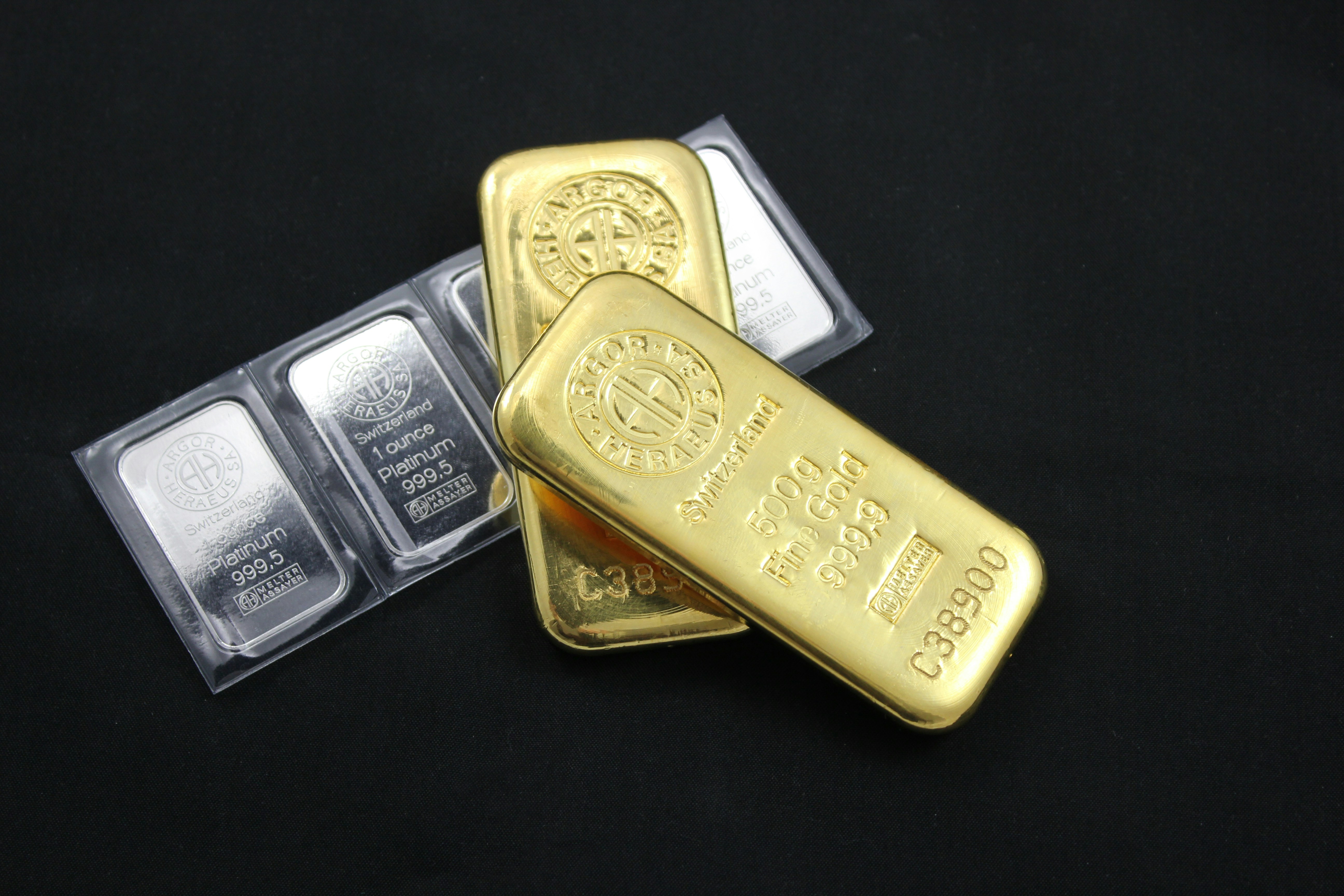
Overview of Precious Metals
The term “precious metals” refers to rare, naturally occurring metallic elements that carry significant economic value. This category prominently includes gold, silver, platinum, and palladium, each exhibiting unique characteristics and applications. Precious metals have historically played a pivotal role in both cultural and financial contexts, serving as mediums of exchange, stores of value, and indicators of economic stability.
Among these metals, gold often garners the most attention and is typically the benchmark against which other precious metals are measured. Silver, however, holds its own in the financial market, as it is widely utilized in industry, jewelry, and investments. Its dual role as both a precious metal and an industrial commodity gives it unique fluctuations in value based on supply and demand dynamics.
Platinum and palladium, rarer than both gold and silver, serve critical functions in a variety of sectors, particularly in the automotive industry for catalytic converters, as well as within electronics, aerospace, and various industrial applications. Platinum is often considered an investment asset due to its limited supply and high demand, while palladium has gained prominence in recent years, significantly impacting its market value.
The significance of these metals extends beyond mere aesthetics or investment. Silver, platinum, and palladium offer diversification opportunities for investors seeking to hedge against economic uncertainties. Their historical value as stores of wealth complements their contemporary utility, paving the way for a deeper understanding of their roles in various industries and investment strategies. By recognizing the importance of these precious metals, investors and consumers alike can make informed decisions as they navigate the complex landscape of precious metals investment.
Silver (Ag): The Understated Precious Metal
Silver, represented by the chemical symbol Ag, holds a unique position in the world of precious metals, often overshadowed by gold. Over the past 24 hours, the spot price of silver has experienced fluctuations reflective of broader market dynamics. As of now, silver prices are tightly correlated with gold, revealing how investor sentiment toward one precious metal can impact the other. Historically, when gold prices surge due to economic uncertainty, silver often follows suit, albeit with slightly higher volatility.
One of the major influences on the price of silver is its industrial demand. Unlike gold, which is primarily seen as a store of value, silver has extensive applications in various sectors, including electronics, solar energy, and medical equipment. This industrial demand can create price pressures that differ significantly from those affecting gold. The increasing focus on renewable energy technologies, including solar panels, positions silver favorably for future demand, as its conductivity and antibacterial properties make it a vital component in these technologies.
In addition to industrial usage, investment interest in silver plays a significant role in determining its market price. Investor behavior shifts based on market sentiment, often leading to price surges during times of economic crisis, similar to behavior observed with gold. As more investors incorporate silver into their portfolios, the dynamics surrounding its price can be affected by factors such as inflation concerns and geopolitical tensions. These aspects contribute to the metal’s attractiveness as a hedge against economic instability.
Looking ahead, potential future trends for silver suggest it may increasingly benefit from growing industrial applications combined with ongoing investment interest. As global markets evolve, the interplay between supply and demand dynamics will remain crucial in defining silver’s standing in the precious metals market. As investors keep a close watch, silver may establish itself as a distinctive asset class worth considering for both industrial applications and investment diversification.
Platinum (Pt): The Industrial Powerhouse
Platinum, known by its chemical symbol Pt, is a precious metal that holds significant industrial value alongside its status as a precious commodity. As of October 2023, the current spot price of platinum is approximately $1,575.59 USD per ounce. The fluctuations in its price can be attributed to multiple factors including market demand, supply chain constraints, and broader economic indicators.
One of the primary drivers of platinum’s value is its extensive application in the automotive industry. Platinum is a crucial component in catalytic converters, which are essential for reducing harmful emissions in gasoline and diesel vehicles. As global regulations regarding emissions become more stringent, the demand for catalytic converters— and consequently platinum— continues to rise. Additionally, the transition towards electric vehicles (EVs) poses an interesting challenge for platinum. While some EVs do not require platinum, hybrid vehicles still rely on internal combustion engines that utilize platinum, thus maintaining its relevance in the automotive sector.
Furthermore, the relationship between platinum and gold has been noteworthy in recent market behaviors. Often viewed as a safe-haven asset, gold’s performance can influence the investment in platinum as well. When gold prices rise, there tends to be an inversely proportional trend in platinum prices, owing to the dual role of both metals as investment vehicles and industrial resources. The interplay between these two precious metals showcases how economic cycles and market sentiments can affect valuation. Understanding these dynamics is crucial for investors and industries reliant on platinum, as they navigate the complexities of supply, demand, and pricing in a fluctuating market.
Palladium: The Emerging Metal
Palladium has increasingly gained attention within the precious metals market, primarily due to its unique properties and diverse industrial applications. As a member of the platinum group metals (PGMs), palladium plays a critical role in sectors such as automotive manufacturing, electronics, and jewelry. Its significant use in catalytic converters for internal combustion engines positions palladium as a vital component in the ongoing transition toward greener technologies. This increased demand has led to notable price fluctuations, making it an intriguing investment alternative.
In recent years, the price of palladium has experienced dramatic highs and lows, often dictated by changes in market demand and supply dynamics. Unlike gold and silver, which are traditionally viewed as safe-haven assets, the price of palladium can be considerably more volatile due to its heavier ties to industrial use. The automotive industry’s pivot towards electric vehicles, alongside regulatory changes aimed at reducing emissions, adds layers of complexity to palladium’s market dynamics. Investors often weigh these factors heavily when considering their investment strategies.
Compared to other precious metals, such as gold and platinum, palladium presents a distinct profile. While gold has a long-standing reputation as a store of value, palladium is often subject to rapid price shifts influenced by technological advancements and regulatory pressures. Platinum, although also a critical metal for automotive and industrial applications, is facing challenges like oversupply, diminishing the differential appeal of palladium in various market scenarios.
Looking ahead, projections for palladium remain optimistic but require careful consideration of ongoing trends. The automotive sector’s gradual shift towards sustainability, including the uptake of hybrid and fully electric vehicles, may dampen future demand for palladium. However, the ongoing need for emissions standards compliance can sustain its relevance in specific markets. These factors, combined with a burgeoning interest in investment in precious metals, suggest that palladium will continue to hold significance within the broader spectrum of precious metals.
You might also like:
- Ethereum analysts uncover ‘plot back dangers’ as bears look 20% ETH rate tumble
- The entire lot to Bear in mind Before ‘The Mandalorian and Grogu’ – Gizmodo
- US Senate bans itself from making a wager on prediction markets
- The High-Stakes Story of $40 Million Motorcycles Seized from FBI’s Most-Wanted Olympic Snowboarder
- Analyzing the Decline in Asylum Applications in Germany
