
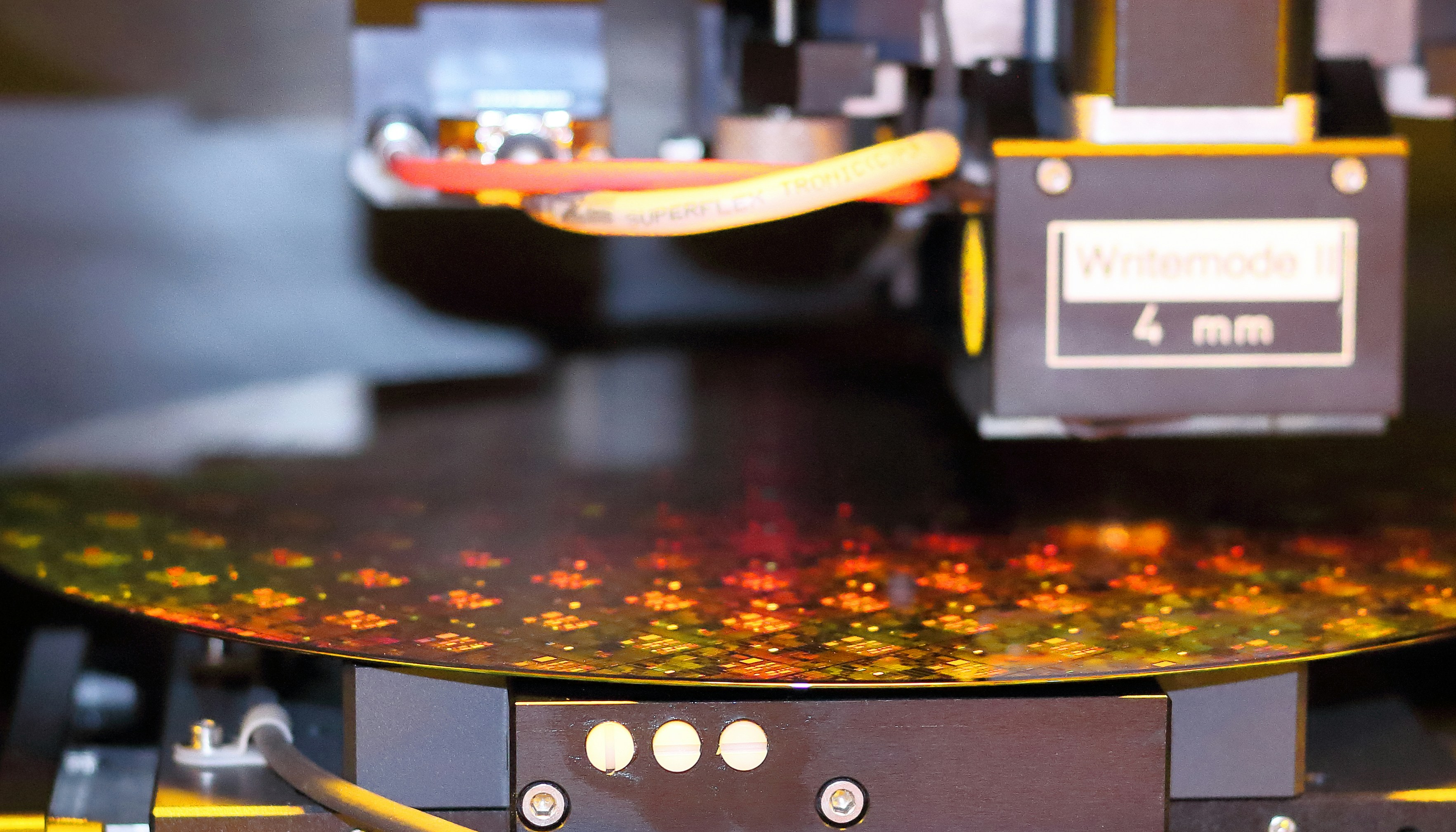
Introduction to Japan’s Semiconductor Initiative
Japan’s semiconductor industry is undergoing significant transformation, catalyzed by global demand for advanced technology and the country’s strategic efforts to reclaim its position in the global semiconductor landscape. Once a dominant player in semiconductor manufacturing, Japan’s prominence has waned in the face of rapid advancements made by competitors, particularly in the United States and Taiwan. The increasing reliance on semiconductors in various sectors, including automotive, telecommunications, and consumer electronics, has prompted a renewed focus on domestic production capabilities.
The recent geopolitical tensions and supply chain disruptions have underscored the importance of having a robust semiconductor industry. As a response, the Japanese government, under Prime Minister Fumio Kishida’s administration, has initiated substantial investments aimed at revitalizing its semiconductor market. These investments are crucial for fostering innovation, enhancing competitiveness, and ensuring national security in technology supply chains. The establishment of entities such as Rapidus, a new semiconductor venture formed with the help of private and public sector collaboration, represents a significant advancement in these efforts.
Furthermore, Japan’s semiconductor initiative is not solely about addressing current demands; it is also about anticipating future technological trends. The push towards more energy-efficient and advanced semiconductors aligns with global sustainability goals. This initiative includes research and development strategies that focus on next-generation technology, ensuring Japan remains a key player in the semiconductor sector. As the global landscape for technology continues to evolve, Japan’s concerted efforts highlight the critical need for nations to adapt their strategies in response to changing dynamics in technology and international relations.
The Announcement of New Subsidies for Rapidus
In a significant move to strengthen its semiconductor industry, Japan has announced a substantial allocation of ¥631.5 billion (approximately $4 billion) in subsidies to support Rapidus, a leading company dedicated to advanced semiconductor manufacturing. This funding marks a pivotal step in Japan’s strategy to reclaim its position in the global semiconductor market, which has seen increasing competition from nations like the United States and China.
The announcement comes at a crucial juncture, as the semiconductor industry faces heightened demand driven by the proliferation of technologies such as artificial intelligence, 5G networks, and smart devices. Rapidus, founded in 2022, aims to develop cutting-edge production capabilities and has set an ambitious target for mass production by 2027. This timeline not only highlights the urgency of the sector but also emphasizes Japan’s commitment to fostering innovation and technological advancement in semiconductor production.
This funding package is notably part of Japan’s broader measures to bolster its semiconductor supply chain, which has historically been vulnerable to global disruptions. By providing substantial subsidies to Rapidus, the government seeks to cultivate a robust domestic manufacturing ecosystem capable of meeting both local and international demand. The financial support will facilitate investments in research and development, infrastructural improvements, and workforce training, all essential components for sustaining growth and competitiveness in the semiconductor landscape.
Moreover, these subsidies signify a strategic alignment with global semiconductor initiatives aiming for technological independence. As countries increasingly prioritize semiconductor self-sufficiency, Japan’s investments in companies like Rapidus represent a proactive response to potential shortages and geopolitical challenges. The forthcoming years will be pivotal as the industry undergoes transformation, and the successful implementation of this subsidy initiative will likely shape the future of Japan’s semiconductor landscape.
Total Government Support and Its Implications
Japan’s strategic initiative to bolster its semiconductor industry is reinforced by a substantial government investment totaling approximately ¥2.6 trillion (or $16 billion). This ambitious financial commitment reflects the nation’s recognition of the semiconductor sector as a cornerstone of technological advancement and economic resilience. The implications of this investment extend far beyond immediate fiscal concerns; they encompass enhanced capabilities in semiconductor manufacturing, supply chain reliability, and regional technological leadership.
The infusion of ¥2.6 trillion into the semiconductor sector is expected to stimulate significant advancements in production capabilities. With dedicated funding, companies are positioned to upgrade their fabrication processes, adopt cutting-edge technologies, and increase the overall output of high-performance chips. This is particularly crucial as global demand for semiconductors continues to rise, driven by developments in artificial intelligence, automotive technology, and consumer electronics.
Moreover, Japan’s commitment to developing its semiconductor industry plays a vital role in strengthening domestic supply chains. By reducing reliance on international suppliers, Japan can mitigate potential vulnerabilities exposed by geopolitical tensions and global chip shortages. Creating a resilient supply chain will not only enhance domestic economic stability but will also place Japan in a stronger position within the global semiconductor landscape, fostering strategic partnerships that can bolster collaboration and innovation.
However, the journey ahead is not without its challenges. The semiconductor industry is characterized by rapid technological change and intense global competition. Japan must navigate these challenges effectively to realize the full potential of its investment. Overcoming barriers such as workforce shortages in highly specialized skill areas and aligning public-private sector interests will be critical to achieving the anticipated outcomes of this significant investment.
Strategic Rationale Behind Japan’s Semiconductor Investments
Japan’s proactive approach to investing in the semiconductor industry stems from a confluence of economic, political, and technological factors. The nation’s historical prominence in semiconductor manufacturing has dwindled over the past few decades, primarily due to the rise of competitors like the United States, South Korea, and Taiwan. This decline has prompted the Japanese government to reassess its strategic positioning in the global semiconductor landscape, which is viewed as critical for both economic resilience and national security.
Economically, Japan aims to fortify its supply chains and mitigate vulnerabilities exposed by recent global disruptions. The COVID-19 pandemic and geopolitical tensions have highlighted the risks associated with dependence on foreign semiconductor supply. By investing in domestic semiconductor production, Japan not only seeks to create jobs and stimulate economic growth but also aims to retain a commanding position in this vital sector. Strong local capabilities will enhance Japan’s competitiveness across various industries, from consumer electronics to automotive manufacturing, which increasingly rely on advanced semiconductor technologies.
Politically, Japan’s decision to bolster its semiconductor industry is also framed within the context of national security. Advanced semiconductors are integral to modern defense mechanisms, with applications that extend into advanced weaponry and secure communications. Strengthening semiconductor capabilities ensures that Japan can maintain operational autonomy and safeguard its technological assets against potential external threats.
Furthermore, there is a growing recognition of the innovative potential that arises from a robust semiconductor sector. By fostering research and development in this field, Japan aspires to drive technological advancements that transcend traditional boundaries. Government-backed initiatives and collaboration with private enterprises, such as Rapidus, exemplify a commitment to cultivating innovation. This strategic investment not only promises immediate economic benefits but also positions Japan as a leader in next-generation technologies, further enhancing its global standing.
You might also like:
- The Impact of External Pressure on Iran’s Internal Dynamics
- Soaring Through the Skies: The Ultimate Guide to Racing in Flying Cars
- 5 Essential Beyond Brussels Act Breakthroughs
- George and Amal Clooney: New French Citizens
- Celebrating Diversity: The New Autistic Barbie Joins Mattel’s Fashion Line
