
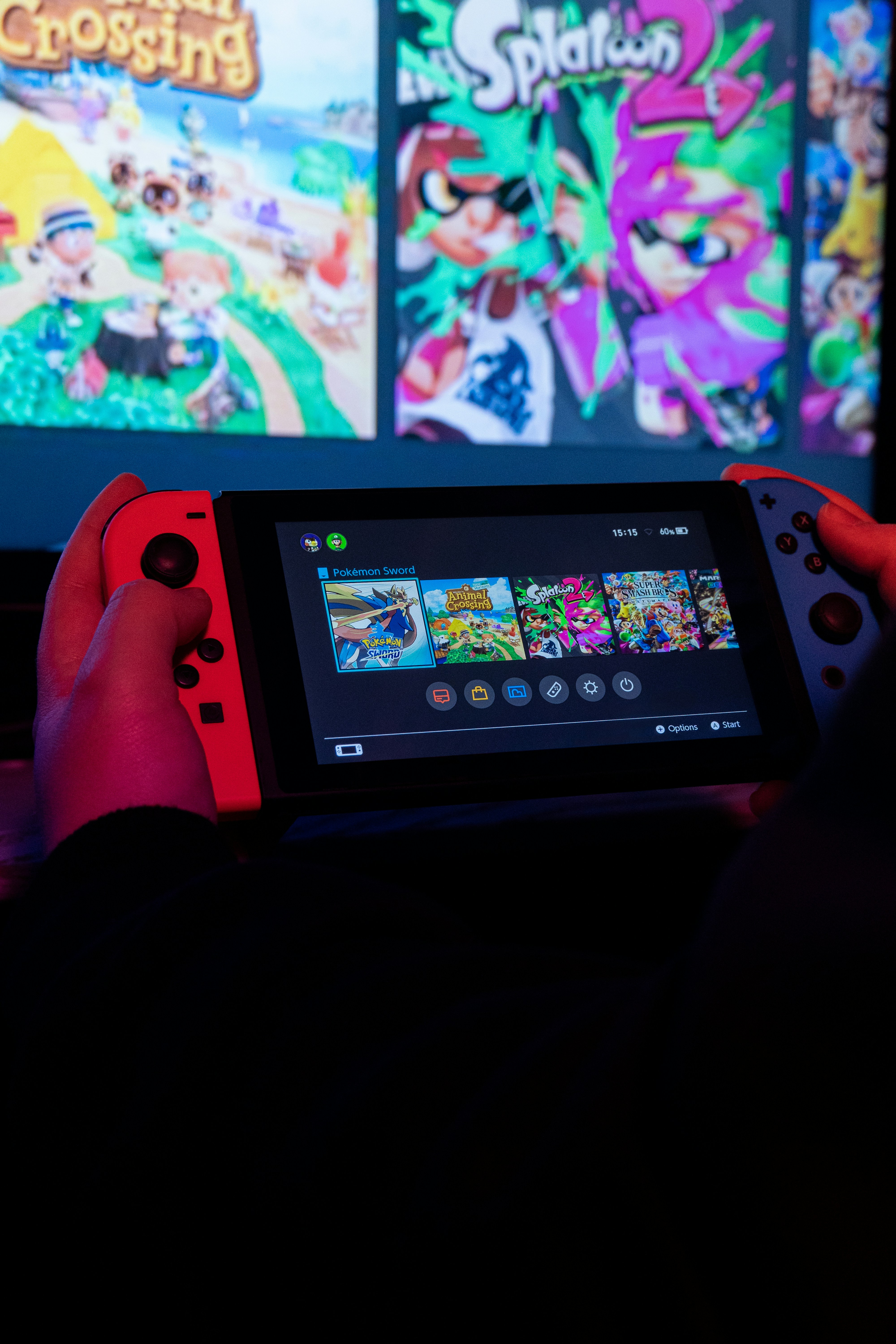
Overview of Nintendo’s Recent Lawsuit
Nintendo has recently initiated a significant lawsuit against the U.S. government, challenging the legality of tariffs imposed during the Trump administration. Filed in the U.S. Court of International Trade, this legal action addresses claims that the tariffs are not only unjust but also detrimental to trade practices and the company’s financial operations. Specifically, Nintendo is seeking refunds for the tariffs imposed on goods imported from China, which have impacted their production and pricing strategy amidst an increasingly competitive market.
The lawsuit emerges from a complicated backdrop of trade policies enacted over the past few years. Under the Trump-era tariffs, various consumer electronics, which include gaming consoles, were subjected to additional costs that burdened both manufacturers and consumers. Nintendo’s argument hinges on the assertion that these tariffs were implemented in a manner that contradicts established regulations governing international trade and are therefore legally untenable. The company aims to overturn these tariffs, arguing that they violate certain trade agreements and do not correspond to legitimate trade practices.
This lawsuit signifies more than just a corporate challenge; it also embodies a larger conversation regarding corporate responsibility in navigating international trade laws. By taking legal action, Nintendo is positioning itself as a proactive entity in advocating for fair trade practices while safeguarding its interests and those of its consumers. The outcome of this case could have broader implications for the gaming industry and global trade, as companies grapple with the realities of cost increases due to tariff regulations.
Legal Basis for the Lawsuit
Nintendo’s legal action against the federal government is founded on several critical legal principles, grounded particularly in a recent Supreme Court ruling that addressed the constitutionality of tariffs imposed during the Trump administration. At the heart of the argument is the assertion that these tariffs were enacted without the requisite authority, thus violating established legal norms. This legal foundation is of utmost importance as it sets the stage for the company’s claims regarding refunds on tariffs that they argue were unlawfully assessed.
One of the key legislative frameworks relevant to this case is the International Emergency Economic Powers Act (IEEPA), which grants the President special powers to regulate international commerce during a declared emergency. Nintendo contends that the tariffs did not meet the standards defined within the IEEPA, asserting that they were not justified under the circumstances presented at the time. By exceeding the limits of the IEEPA, the Trump administration’s actions arguably resulted in the imposition of tariffs that lacked legal grounding and fairness, impacting many businesses, including Nintendo.
The Supreme Court’s rulings have established that the executive branch cannot act unilaterally and beyond the constraints of the law, particularly in matters of economic regulation without congressional approval. As a result, Nintendo believes there is a robust legal precedent for arguing that the tariffs not only infringed upon statutory authority but also targeted industries and economic sectors unfairly. This indicates a broader implication that could safeguard companies from similar financial burdens imposed without sufficient legal justification in the future.
Impact on Nintendo and its Products
The imposition of tariffs during the Trump administration significantly affected several companies, with Nintendo being no exception. The tariffs primarily targeted imports from China, which includes a wide range of gaming consoles and accessories. As Nintendo prepared for the launch of its highly anticipated Switch 2 console, these tariffs forced the company to reevaluate its pricing strategies and the overall cost structure.
Financially, Nintendo faced increased costs associated with manufacturing and importing the components necessary for its products. This situation led to the decision to adjust the pricing of the Switch 2 at launch. Higher tariffs meant that Nintendo had to weigh the pros and cons of absorbing these costs versus passing them on to consumers, potentially affecting demand. The uncertainties surrounding consumer behavior in the context of rising prices added complexity to their strategy.
Additionally, the broader market for gaming accessories also felt the impact of these tariffs. With increased prices on both consoles and accessories, many consumers opted to delay purchases or reconsider their budgets for gaming. This gave rise to a more cautious approach among retailers as they managed inventory and sales, which ultimately could lead to fluctuations in market dynamics. The market’s response to the financial constraints imposed by the tariffs indicated the possibility of reduced sales for not just Nintendo but for other competitors in the gaming industry as well.
Attending to these economic challenges, Nintendo’s strategic decisions regarding pre-orders became crucial. With a more competitive market to navigate and the pressure of tariffs looming, careful consideration was necessary not only to maintain its consumer base but also to uphold brand loyalty amid changing conditions.
Broader Implications and Similar Cases
Nintendo’s legal challenge to seek refunds on tariffs imposed during the Trump administration highlights a larger trend among businesses navigating the complexities of international trade agreements and tariff implementations. Other companies, particularly in the technology and manufacturing sectors, share similar frustrations regarding the additional financial burdens imposed by these tariffs. As corporations strive to reclaim their expenditures, the consequences of such actions ripple through various market sectors, influencing both financial strategies and consumer prices.
Legal battles like Nintendo’s reflect a growing trend among organizations focusing on the legality and appropriateness of tariff applications. Many businesses contend that the tariffs were enacted without proper consideration, leading to gains made by domestic producers at the expense of foreign competitors unjustly positioned by trade policy. This has prompted several companies to band together to explore collective legal actions, establishing precedents that could offer a template for similar future disputes.
Moreover, the processing of tariff refunds by the Customs and Border Protection (CBP) introduces an additional layer of complexity and logistical challenges. As the agency manages an influx of claims following the legal interpretations surrounding tariff refunds, businesses are left in a state of uncertainty. This not only delays vital reimbursements but also hinders operations as companies grapple with cash flow issues stemming from unanticipated tariff costs.
The implications of Nintendo’s case extend beyond its immediate financial concerns, prompting a re-evaluation of tariff policies and their adverse effects on businesses. As the landscape of international trade continues to evolve, understanding the broader implications of such lawsuits and the effectiveness of the CBP in handling such influxes is crucial. Ultimately, the focus on legal redress reflects a significant movement towards seeking clarity and fairness in trade practices that affect numerous stakeholders in the global marketplace.
You might also like:
- Tennessee man jailed over Charlie Kirk post wins $835,000 settlement
- Sweden’s H100 eyes Europe’s No. 2 Bitcoin treasury with 3,500 BTC deal
- uncover Alcaraz vs Sinner for FREE: TV Channels for Monte-Carlo Masters Final
- Displaced Palestinians in Gaza: Somber Expectations for Netanyahu-Trump Meeting
- Rising Tensions: The U.S. and Venezuela’s Complex Relationship
