
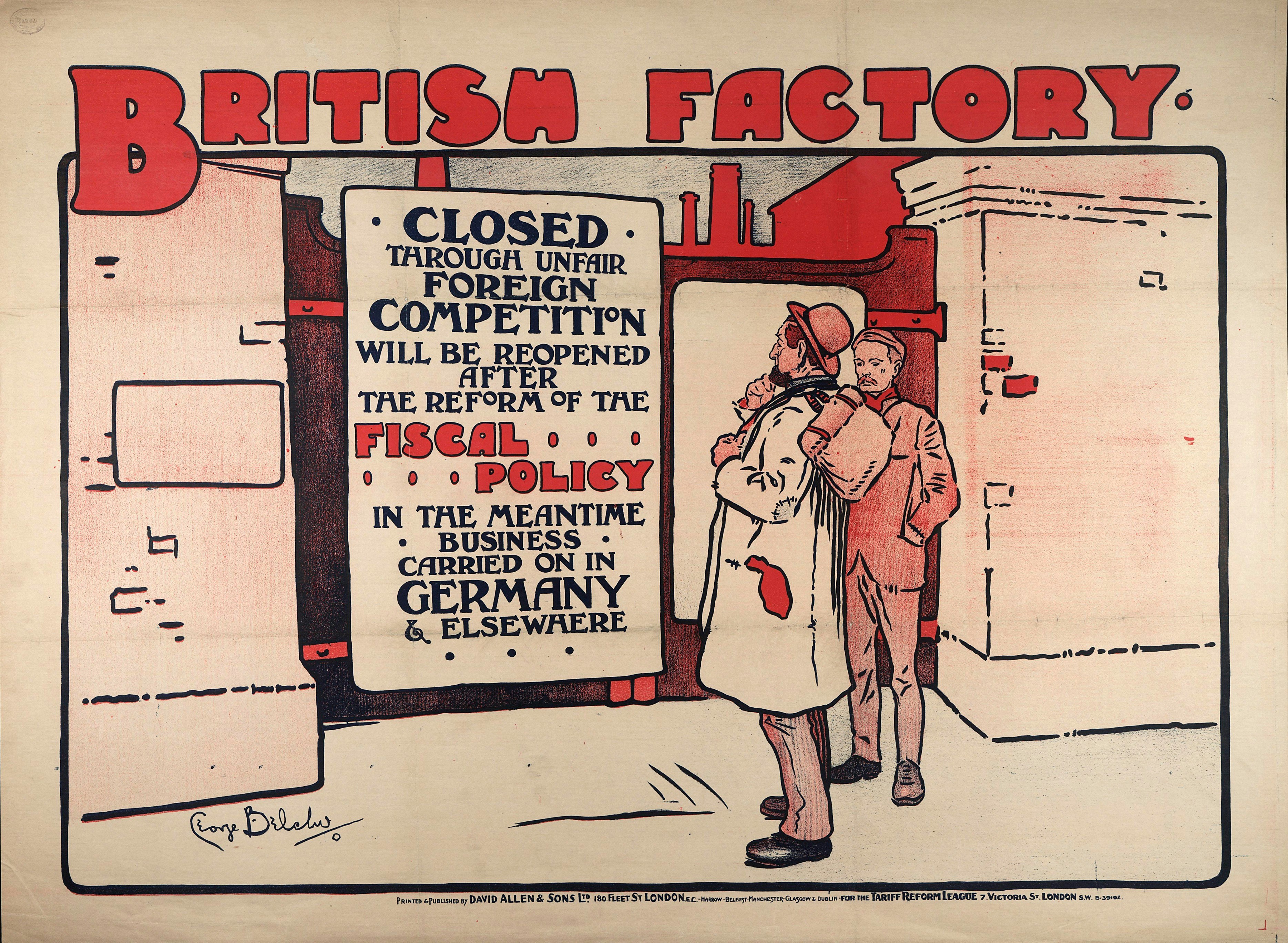
Introduction: The Need for Strategic Protection
The global economic landscape has undergone significant transformations, especially in the context of European industries. In recent years, the increasing competition from Chinese companies has raised critical concerns among European policymakers and business leaders. Prominent figures, including Bundesbank President Joachim Nagel, have openly discussed the imperative need for Europe to fortify its key industries against this formidable challenge posed by Chinese firms. This call for strategic protection is not merely a reaction to competition but a proactive measure to strengthen Europe’s economic front.
The emergence of China as a powerhouse in various sectors has brought about a paradigm shift, leading European industries to face unprecedented pressures. Products that were once dominated by European nations are now encountering significant competition at lower prices and with often greater efficiency from Chinese manufacturers. This scenario poses a substantial threat to the sustainability and growth of critical sectors within Europe, including technology, automotive, and manufacturing.
Furthermore, a lack of strategic protection can lead to detrimental consequences for the European economy, including job losses, diminished innovation, and a decline in market share on the global front. There is an essential need to not only recognize these threats but also to implement policies that safeguard the integrity of Europe’s industrial landscape. By emphasizing the importance of maintaining competitive advantages and bolstering domestic industries, European leaders can cultivate an environment that supports local enterprises while navigating the challenges presented by globalization and external competition.
Understanding the Current Landscape of Global Trade
The dynamics of global trade have evolved significantly in recent years, influenced largely by the rising economic power of China. As the second-largest economy in the world, China’s rapid industrialization and aggressive market strategies have reshaped trade relationships, particularly with European nations. Recent data indicates that China’s exports to Europe have grown substantially, creating both opportunities and competitive pressures on European industries.
In assessing the current landscape, it becomes apparent that Europe faces a dual challenge: the need for economic growth and the necessity to protect its key sectors from foreign competition. China, with its vast production capabilities and government subsidies, presents a formidable force in sectors such as technology, manufacturing, and renewable energy. This expansion has often led to an uneven playing field, where European companies find it increasingly difficult to compete on price and innovation.
Furthermore, the strategic initiatives taken by China, such as the Belt and Road Initiative, have not only bolstered its global trade network but have also raised concerns about dependency among European nations. The intertwining of economic interests necessitates a reevaluation of Europe’s trade policies to ensure that local industries maintain their competitive edge. Such policies may include tariffs on certain imports, enhanced support for local businesses, and fostering collaborations that drive innovation and sustainability.
As European countries grapple with these challenges, the need for a protective stance is becoming more apparent. This approach aims to shield vital sectors from aggressive foreign competition and promote a more balanced trade environment. Understanding these global trade dynamics is pivotal for Europe to strategize effectively and safeguard its economic interests moving forward.
Identifying Key Industries at Risk
As Europe navigates the complexities of a global marketplace increasingly influenced by Chinese competition, it is imperative to pinpoint the industries that face significant vulnerabilities. Among these, the technology, pharmaceuticals, and renewable energy sectors emerge as particularly susceptible to external pressures.
The technology sector, encompassing areas such as telecommunications and artificial intelligence, is under considerable threat as Chinese firms leverage substantial government support and aggressive pricing strategies. Companies like Huawei have demonstrated their ability to penetrate European markets through competitive pricing and advanced technology offerings. This not only poses a challenge for European firms in maintaining market share but raises concerns regarding cybersecurity and data integrity.
In terms of pharmaceuticals, the European Union has long been a leader in drug development and regulatory standards. However, recent patterns indicate a troubling shift as Chinese manufacturers ramp up their production of generic drugs, leading to increased competition. A report by the European Medicines Agency noted a sharp decline in the market share of European pharmaceutical firms, with Chinese companies capturing a significant portion of the generic drug market in the last few years. The ramifications of this shift include potential impacts on research and development innovations within Europe.
The renewable energy industry is another critical area where European dominance is challenged. China has emerged as a leader in the production of solar panels and wind turbines, often at lower costs than their European counterparts. This situation creates a competitive disadvantage for European firms that rely on sustainable practices while maintaining higher production costs. Furthermore, as countries pivot toward renewable energy solutions, the risk of dependency on Chinese-manufactured components poses significant strategic threats for European energy security.
Overall, the aforementioned industries exemplify sectors critical to Europe’s economic landscape that are at risk of being overshadowed by China’s rapid advancements. Addressing these vulnerabilities requires coordinated efforts and strategic policies to reinforce Europe’s economic resilience.
The Case for Drawing ‘Red Lines’
The concept of drawing ‘red lines’ in economic policy, as proposed by Joachim Nagel, serves as a crucial framework for European countries striving to safeguard their key industries amid increasing competition from China. These ‘red lines’ represent definitive boundaries that delineate acceptable levels of engagement and dependency on foreign powers, particularly in sectors deemed vital for national security and economic stability.
Establishing such boundaries is not merely about limiting economic interaction but involves creating comprehensive policy frameworks that define the criteria for what constitutes critical industries. For instance, technologies related to defense, telecommunications, and healthcare could be categorized as essential, necessitating stringent scrutiny against foreign influence. The need for transparent guidelines is underscored by the potential consequences of crossing these red lines, which may include loss of technological sovereignty, exploitation of supply chains, or deteriorating domestic capabilities.
Furthermore, potential policy implementations might encompass rigorous investment screening processes and enhanced due diligence requirements for foreign entities looking to acquire or invest in sensitive sectors. By doing so, Europe can assure that economic cooperation does not undermine strategic interests. Real-world examples suggest that failing to define and adhere to these red lines can result in detrimental outcomes, such as the recent controversies surrounding foreign investments in European technology firms, where national security concerns were not adequately addressed.
In light of these considerations, it becomes evident that establishing red lines is an essential step for Europe. It not only protects vital industries but also works towards creating a balanced trade environment with China, ensuring that economic growth does not come at the expense of national integrity and security. By proactively defining these boundaries, Europe can enhance its negotiating power and promote a more sustainable economic framework for the future.
Strategic Recommendations for Europe
To fortify Europe’s economic front in the face of competitive pressures from Chinese industries, policymakers must adopt a multifaceted approach. A critical recommendation is to foster innovation across member states by investing in cutting-edge technologies and research initiatives. This can be achieved by creating incentives for companies to engage in innovative projects that align with European industrial goals. For instance, grants and tax breaks could encourage the development of advanced manufacturing processes and sustainable practices.
Additionally, increasing investment in research and development (R&D) is imperative. European nations should aim to allocate a higher percentage of their GDP to R&D, promoting collaborative efforts between public institutions and private entities. This synergy can lead to breakthroughs that not only enhance productivity but also create high-value jobs, thus bolstering the economy against external threats.
Another strategic move would be the establishment of protective tariffs on key industrial sectors susceptible to Chinese competition. By implementing measured tariffs, European countries can temporarily shield their domestic industries, allowing them to adapt and strengthen while fostering local employment. However, this strategy must be employed with careful consideration to avoid provoking retaliatory measures that could harm other trading relationships.
Finally, enhancing collaboration among EU member states is essential for a unified response to global competition. Establishing joint initiatives that allow for resource sharing, knowledge exchange, and coordinated policies can amplify the effectiveness of measures aimed at protecting key sectors. EU-level support for standard-setting in industries can also serve to elevate overall production quality, making European goods more competitive.
By adopting these strategic recommendations, Europe can build a robust framework that not only safeguards its key industries but also positions itself favorably on the global economic stage against Chinese competition.
The Role of International Cooperation
In the context of strengthening Europe’s economic position, international cooperation emerges as a crucial strategy to safeguard key industries from external competition, particularly from China. Collaborative efforts among European nations and with global allies are vital in creating a unified front that can effectively counter competition and protect local markets.
One of the primary methods through which Europe can enhance its defense against external pressures is by forming strategic partnerships with like-minded countries. These alliances can foster the sharing of best practices, technological innovations, and other resources that bolster economic resilience. For instance, established partnerships with countries in North America and Asia could lead to joint ventures that invest in key sectors, thus providing the necessary support against competitive threats.
Another significant aspect of international cooperation is involvement in global trade agreements. By entering into comprehensive trade accords, Europe can create advantageous conditions for its industries, ensuring fair competition and reducing the risks of market domination by foreign powers. This not only helps in maintaining stability within European markets but also enhances bargaining power on the global stage when negotiating with nations such as China.
Furthermore, collective bargaining power plays an essential role in negotiations with China. When European countries present a united front, they can address issues such as subsidies and tariffs more effectively. Pooling resources and leveraging joint interests will enable Europe to negotiate better terms that protect domestic industries from potential harm while promoting sustainable growth in the long run.
In summary, international cooperation is indispensable in Europe’s strategy to safeguard its economic landscape against Chinese competition. Through strategic partnerships, trade agreements, and unified negotiations, European nations can collectively reinforce their positions in a highly competitive global market.
In the contemporary global economy, the risks associated with isolationism warrant careful consideration, particularly regarding the protective measures aimed at safeguarding key industries from Chinese competition. One of the most significant potential repercussions of excessive protectionist policies is the stifling of innovation. Industries that are cocooned from foreign competition may experience a decrease in incentives to evolve and adapt. Without the external pressures that often drive innovation, businesses may become complacent, resulting in stagnation rather than growth. Thus, while protectionist policies can serve to insulate certain sectors, they may inadvertently hinder the dynamism necessary for long-term competitiveness.
Another critical aspect of isolationism is the likelihood of retaliatory measures from China. The imposition of tariffs or barriers to entry can provoke a backlash, leading to a tit-for-tat scenario that may escalate into a trade war. Such retaliatory actions not only impact the targeted industries but can also reverberate throughout the broader economy, creating uncertainty and eroding consumer confidence. It is crucial for policymakers to recognize that fostering a sustained adversarial relationship can alienate not only potential partners but also domestic consumers reliant on competitive prices and diverse product offerings.
Moreover, the implications for global supply chains cannot be overlooked. An increasingly isolationist approach may disrupt established networks, leading to inefficiencies and increased costs. As companies navigate the complexities of international trade, any movement toward isolationism risks fragmentation within supply chains, which could result in production delays and reduced accessibility to essential resources. This disruption can ultimately affect consumer prices and availability of goods in the market, underscoring the interconnected nature of modern economies.
Protective Measures in Global Contexts
In examining how various regions have addressed challenges similar to those posed by Chinese competition, the United States, Japan, and India provide illustrative case studies. Each of these nations has implemented protective measures aimed at supporting domestic industries, fostering innovation, and securing economic independence.
The United States has been particularly proactive in the technology sector, where concerns about foreign competition often involve issues of national security. A prominent example is the implementation of tariffs and export restrictions on specific technology companies. By encouraging domestic production and innovation through subsidies, the U.S. has aimed to bolster its tech industries against international competition. Such measures have led to a resurgence in certain sectors, particularly semiconductors, where American companies have increased investment in domestic manufacturing facilities.
Japan’s approach has been marked by its focus on corporate collaboration and strategic state support. The Japanese government, recognizing the importance of maintaining competitive advantages, has fostered partnerships between public and private sectors. An example of this can be observed in Japan’s support for its automotive industry, where tax incentives and research grants have spurred growth. By aiding manufacturers in transitioning to electric vehicles, Japan has reinforced its position against foreign automotive firms, demonstrating a targeted strategy to nurture key industries.
India, on the other hand, has adopted a more recent yet effective approach through its “Make in India” initiative. Aiming to turn the country into a global manufacturing hub, the initiative encompasses a wide range of measures including investment incentives and simplified regulatory frameworks. This has empowered local businesses while simultaneously attracting foreign investment. The success of this campaign can be seen in sectors like textiles and information technology, where indigenous firms have gained significant market share.
These case studies from the United States, Japan, and India serve as valuable precedents for Europe. Each region’s unique strategies underline the importance of tailored protective measures designed to safeguard and sustain domestic industries in the face of external competition, including that from Chinese enterprises. By learning from these examples, Europe could devise a mixture of approaches that suit its economic landscape.
Conclusion: A Balanced Approach to Economic Protection
In the face of increasing competition from Chinese industries, Europe must adopt a carefully considered strategy that safeguards critical sectors while fostering an environment conducive to trade and investment. The need for protectionist measures is underscored by the necessity to sustain domestic production capabilities and ensure the competitiveness of European enterprises. By establishing clear red lines for international engagements, Europe can create a robust framework that serves to protect its strategic industries.
However, the implementation of protective measures should not come at the expense of openness. Trade relationships are fundamental to economic growth and innovation, and Europe stands to benefit from continued collaboration with global partners. Striking a balance between economic protection and fostering international cooperation is essential. This dual approach will enable European economies to not only withstand external pressures but also thrive in the competitive global landscape.
The implications of these strategies for Europe’s economy are profound. Implementing well-defined boundaries allows Europe to prioritize investment in key areas without completely isolating itself from the advantages of global trade. Such a balanced approach will subsequently enhance the continent’s resilience and ability to navigate the challenges posed by foreign competition. Ultimately, a concerted effort to ensure economic protection, while maintaining advantageous trading relationships, is fundamental to the future stability and prosperity of Europe’s economy.
You might also like:
- Giants Pursue Rams’ Defensive Coordinator Chris Shula: A Strategic Move
- Caufield scores 50th goal, Slafkovsky nets the winner as the Canadiens beat the Lightning 2-1
- The International Community Reacts to Israel’s Recognition of Somaliland
- United flight landing at Newark Liberty Airport strikes mild pole, truck on Recent Jersey Turnpike, officials thunder – CBS Records
- Jokes About Paradox: Exclusive Funny Humor on Finance & Economy
