
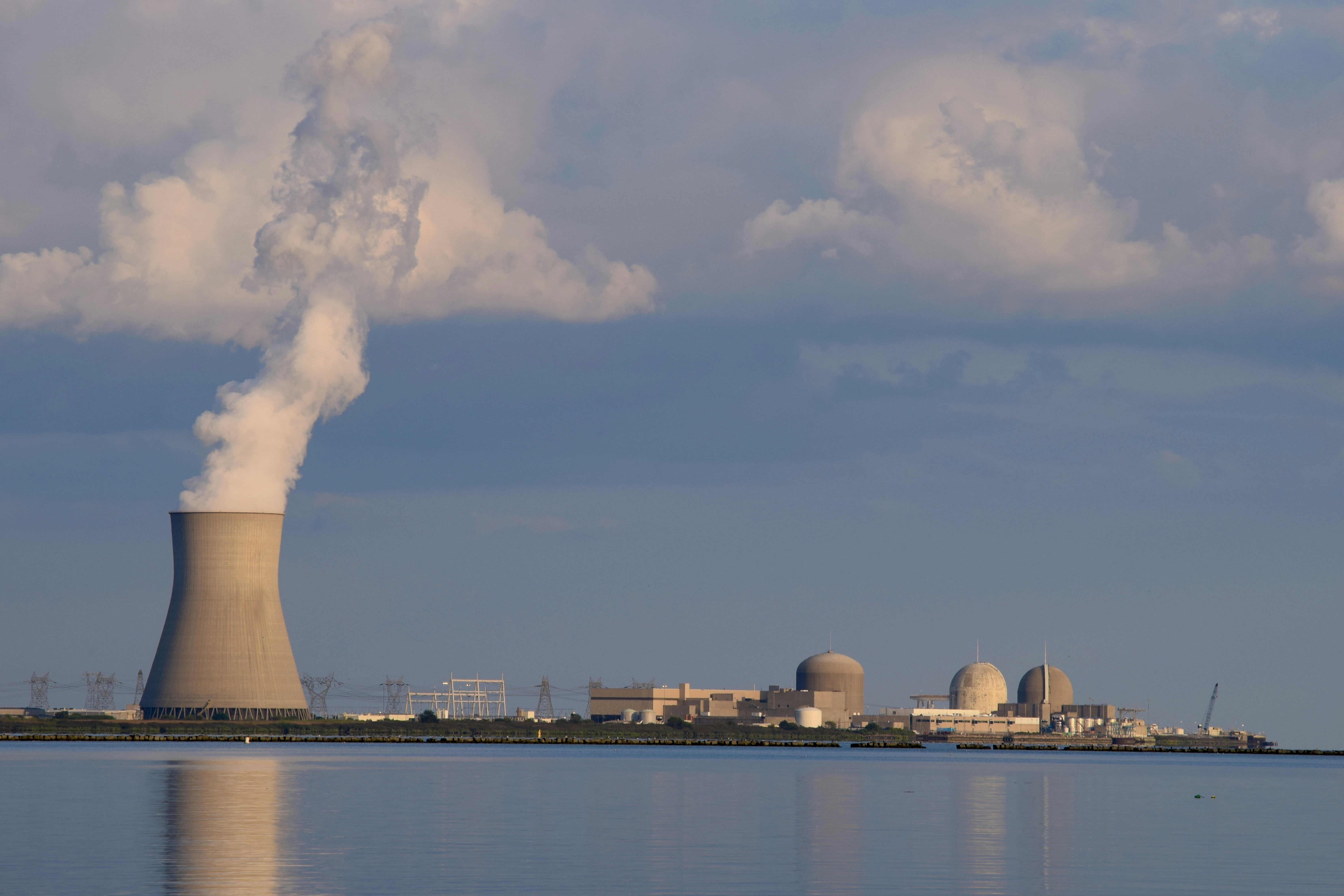
The Current State of Nuclear Energy in the UK
The United Kingdom currently operates 15 nuclear reactors, which are distributed across 7 sites, providing a significant source of the nation’s electricity. These reactors, which have a combined capacity of approximately 8.9 gigawatts (GW), contribute around 15% to 20% of the overall electricity generation in the UK. This energy source plays a crucial role in diversifying the energy mix and supports the government’s long-term goals for achieving carbon neutrality.
Nuclear energy is considered a key component in the UK’s strategy to reduce greenhouse gas emissions and enhance energy security. As the nation transitions away from fossil fuels, the stability and reliability of nuclear power are particularly important. Unlike wind or solar energy, which can be intermittent, nuclear energy provides a consistent baseload power supply, helping to ensure that the national grid remains balanced and reliable.
The UK government recognizes the vital importance of nuclear energy as part of its broader energy strategy. Following various commitments, there has been a renewed focus on investment in new nuclear projects, along with the plans to prolong the life of existing reactors. Recent policies have highlighted targets for new builds and established pathways for advanced nuclear technologies, including small modular reactors (SMRs), which promise to offer flexible, lower-cost solutions for energy generation.
The investment phase in the nuclear sector is being bolstered by government announcements, emphasizing collaboration with private sectors to foster innovation and development. Additionally, public and private initiatives are being launched to enhance training and skills to support this sector. With the current emphasis on building new capacity and reducing carbon emissions, the UK aims to further integrate nuclear energy into its energy framework, positioning it as a key player in a sustainable energy future.
Ambitious Plans for New Nuclear Projects
The UK government’s commitment to enhancing its nuclear energy capacity is evident in its ambitious plans to construct new nuclear reactors. This strategy involves the development of both large-scale nuclear plants and smaller modular reactors (SMRs). Major projects such as Hinkley Point C and Sizewell C exemplify this forward-thinking approach, designed to significantly bolster the nation’s energy security.
Hinkley Point C, anticipated to become operational in the coming years, is expected to generate approximately 3.2 gigawatts of electricity. This output could meet the needs of around six million homes, thus playing a pivotal role in the UK’s transition to a low-carbon energy system. The project promises not only to provide reliable energy but also to create job opportunities in the local economy during the construction phase, along with long-term employment prospects upon completion.
Sizewell C, another flagship nuclear initiative, follows closely in line with Hinkley Point C’s objectives. Its design incorporates innovative technology that offers enhanced efficiency and safety measures. The planned output for Sizewell C is similar, with projections indicating the capacity to power around 1.5 million homes. This project is also set to generate significant economic benefits, estimated at billions of pounds through direct investments and job creation in the region.
Despite the projected advantages, the journey towards realizing these nuclear projects is not without its challenges. Regulatory hurdles and public perceptions of nuclear energy remain critical factors that could influence project implementation timelines. Addressing safety concerns and environmental impacts is essential to gaining wider acceptance from local communities and stakeholders. Nevertheless, the UK remains steadfast in its nuclear ambitions, aiming to position itself as a leader in sustainable energy solutions through these initiatives.
Leveraging Experience for Global Nuclear Revival
The UK government is actively pursuing a strategic aim to establish the nation as a leader in the global nuclear sector. With a rich history and significant advancements in nuclear technology, the UK is well-positioned to export its expertise and innovations to various international markets. The ongoing development of the UK’s own nuclear energy facilities serves as a robust platform from which to engage with other nations, sharing knowledge and technological advancements that can revitalize the global nuclear landscape.
One of the key areas where the UK could make valuable contributions is in the domain of small modular reactors (SMRs). These innovative systems are designed to be more flexible and cost-effective than traditional nuclear power plants, making them particularly appealing to countries seeking to diversify their energy portfolios. The UK’s leadership in SMR development could significantly aid nations looking to embrace nuclear energy while bolstering the global movement towards cleaner and more sustainable power generation.
Furthermore, international collaboration in nuclear research and development can foster mutual benefits among participating nations. The UK can engage in joint projects aimed at improving safety protocols, waste management, and reactor designs, thus enhancing the overall effectiveness of nuclear energy on a global scale. By pooling resources and knowledge, countries can address common challenges in nuclear energy deployment while accelerating the transition to low-carbon electricity generation.
As nations increasingly recognize the importance of energy independence and sustainability, the UK’s experience in the nuclear sector becomes more crucial. From technological advancements in reactor designs to innovative solutions for waste disposal, the UK’s proactive approach can contribute significantly to reshaping the narrative around nuclear power internationally. This will not only strengthen the UK’s position within the sector but also facilitate a broader acceptance of nuclear energy as a viable and necessary component of the future global energy mix.
Challenges and Opportunities Ahead
The progression of the United Kingdom’s nuclear energy ambitions is met with both significant challenges and promising opportunities. As the nation seeks to enhance its nuclear capabilities, public opinion emerges as a critical factor influencing policy decisions and project implementations. Historically, nuclear energy has faced opposition from segments of the populace, largely stemming from concerns over safety, waste management, and the historical accidents that have marred the industry’s reputation. To navigate this complex landscape, it is imperative for nuclear stakeholders to engage in transparent communication efforts that address public apprehensions while highlighting the safety advancements in today’s nuclear technologies.
Environmental concerns also present a considerable challenge for the nuclear sector. Critics often question the environmental footprint associated with nuclear power, particularly regarding waste disposal and the ecological impacts of plant construction. However, these concerns can be mitigated by promoting the benefits of nuclear energy in combatting climate change, as it offers a low-carbon alternative to fossil fuels. Investing in advanced reactor designs and waste reprocessing technologies could enhance sustainability and minimize environmental risks.
Moreover, financial investments play a pivotal role in the expansion of nuclear energy in the UK. The industry requires substantial capital for research, development, and infrastructure, which can be a deterrent to potential investors amid rising costs and financial uncertainties. Nevertheless, forming strategic partnerships between government entities, private investors, and the scientific community can create a synergy that breeds innovation. Collaborations focusing on small modular reactors (SMRs) and digital technology can pave the way for a new generation of nuclear projects, reinforcing the sector’s viability and attractiveness.
In conclusion, the UK’s aim to strengthen its nuclear energy ambitions will require addressing public hesitation, environmental challenges, and the need for significant financial commitments. By fostering public engagement, transparency, and strategic partnerships, the UK can effectively navigate these challenges while capitalizing on the opportunities that arise within the evolving nuclear energy landscape.
You might also like:
- iPhone 18 Legit’s recent A20 chip rumored to bring two main upgrades – 9to5Mac
- NATO’s Decision to End Joint Council with Russia: Implications and Reactions
- Ultimate Beyond 5 Amazing Secrets
- SK Hynix’s $13 Billion Investment: A Game Changer in the Memory Chip Industry
- These Are The Funniest Christmas Items You Can Aquire With Invoice Maher’s Face On Them
