
Background of the U.S.-Venezuela Relationship
The diplomatic relationship between the United States and Venezuela has a complex history, marked by fluctuating alliances, ideological differences, and significant geopolitical events. Initially, during the early to mid-20th century, the relationship was characterized by mutual interests, particularly in oil exploration and trade. However, the dynamics began to shift in the late 20th century as Venezuela adopted leftist political ideologies under President Hugo Chávez, who came to power in 1999. This shift led to increasingly strained relations with the U.S., particularly as Chávez aligned himself with other socialist regimes in Latin America.
Key events that exacerbated tensions include the failed coup attempt against Chávez in 2002, which the U.S. was accused of supporting, and the ongoing crisis in Venezuela, marked by political instability, economic collapse, and mass protests against the government. The U.S. responded with a series of sanctions aimed at key Venezuelan government officials and state-owned enterprises, reflecting its disapproval of human rights violations and the erosion of democratic governance in Venezuela. These sanctions have significantly strained trade and bilateral relations, further entrenching the divisions between the two nations.
In recent years, the U.S. has intensified its approach, recognizing opposition leader Juan Guaidó as the legitimate interim president of Venezuela in 2019. This recognition was accompanied by additional economic measures targeting the country’s oil sector, which is vital to the Venezuelan economy. The military maneuvers by U.S. forces, including the recent seizure of an oil tanker, can be viewed as part of a broader strategy to counteract the Venezuelan government’s influence and support the restoration of democratic structures in the country. This historical backdrop provides invaluable context for understanding the current tensions between the U.S. and Venezuela.
The Seizure of the Oil Tanker: What Happened?
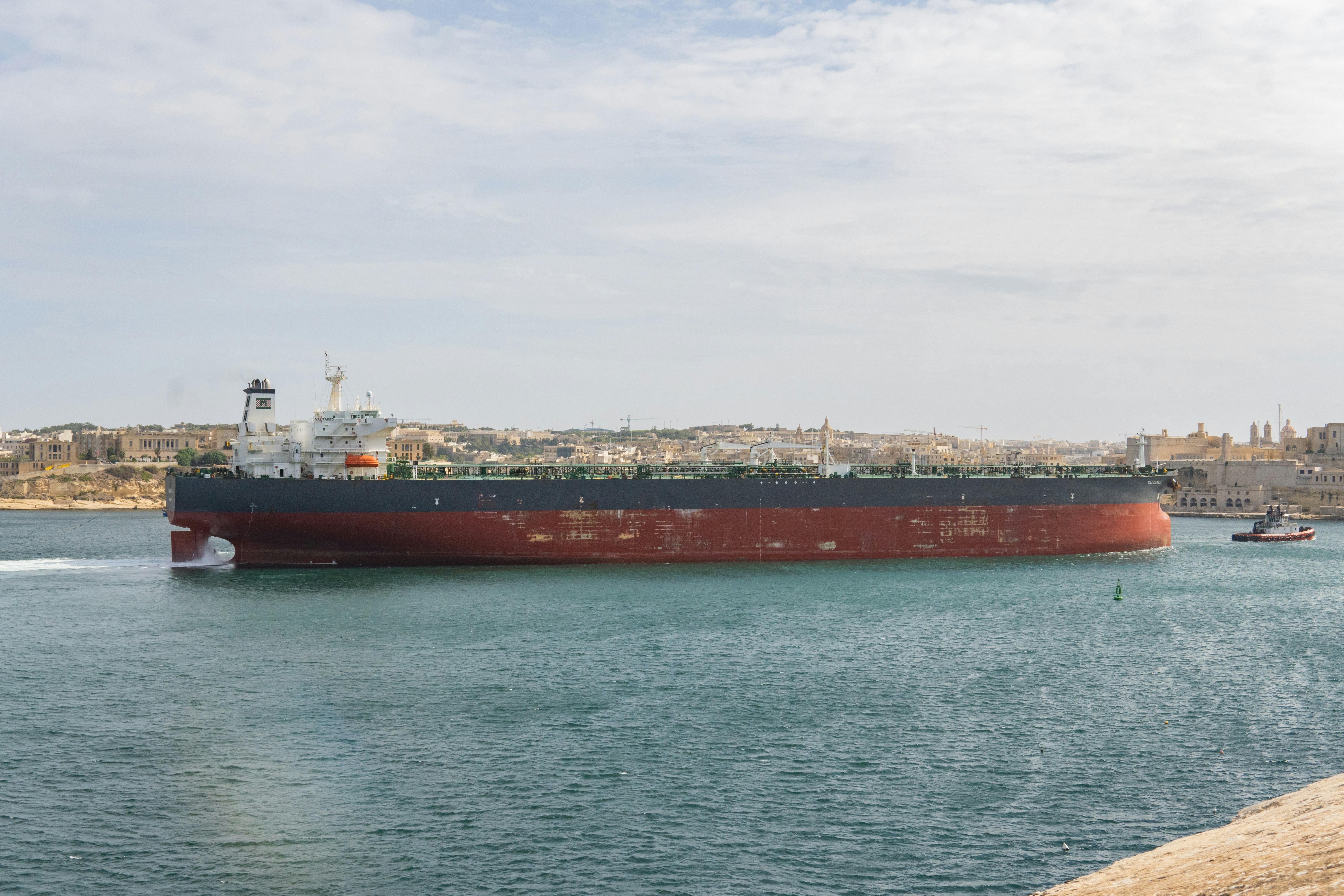
The recent seizure of an oil tanker by U.S. forces off the coast of Venezuela has unfolded as a significant event in the ongoing maritime and geopolitical landscape. The operation took place amidst rising tensions between the United States and Venezuela, noted for its contentious oil trade practices. The tanker, reportedly carrying Venezuelan crude oil, was intercepted by U.S. Navy personnel engaged in maintaining the integrity of international shipping regulations. This confrontation was part of a broader U.S. strategy aimed at curbing illicit oil trade, which has been an ongoing issue in the region.
As U.S. forces approached the vessel, they assessed the situation carefully, considering the safety of the crew on board. The operation was executed with precision, ultimately leading to the successful boarding and securing of the tanker. Reports indicate that crew members displayed varying reactions, from confusion to alarm, as they found themselves at the center of a high-stakes international incident. Shipping companies involved in the operation expressed concerns regarding potential repercussions for their operations in this volatile region.
Legal experts have since weighed in, discussing the implications of this seizure under international maritime law. The legitimacy of U.S. military actions in foreign waters remains a contentious issue, with critics citing potential violations of sovereignty. However, proponents argue that such actions are justified in combating what they perceive as state-sponsored oil trafficking. The broader ramifications of this incident are yet to be fully realized, but it undoubtedly raises critical questions about the enforcement of maritime laws and the rights of nations to secure their interests on the high seas.
International Reactions to the Situation
The recent seizure of an oil tanker by U.S. forces off the coast of Venezuela has elicited a spectrum of international responses, reflecting the complex geopolitical tensions that characterize the current global political landscape. Central to this situation is the unwavering support of President Vladimir Putin and the Russian government for Nicolás Maduro, Venezuela’s controversial leader. Russia has condemned the U.S. actions, branding them as unlawful interventions that infringe upon Venezuela’s sovereignty. This strong denunciation aligns with Moscow’s broader strategy of opposing U.S. influence in Latin America, an area traditionally considered within the U.S. sphere of influence.
In addition to Russia, other nations have voiced their perspectives on the incident. Countries in the Latin American region have expressed solidarity with Venezuela, often criticizing U.S. foreign policy as aggressive and detrimental to regional stability. This situation has reinvigorated discussions within international forums about the U.S.’s role in global conflicts, with some arguing that such actions may ignite further unrest in Venezuela and the surrounding regions.
From the perspective of international diplomacy, the seizure of the tanker signifies a critical juncture in U.S.-Russia relations, which have been fraught with tension over various international issues. The incident raises questions about the future of diplomatic engagements between these two powers, particularly concerning energy resources and economic sanctions. As global oil markets react to this unfolding scenario, fluctuations in oil prices may arise, complicating an already unstable economic environment exacerbated by ongoing political discord.
Ultimately, this development illuminates the intricate web of international relations and the multifaceted implications for both regional and global politics. The situation serves as a reminder of the sensitivity surrounding resource control and the potential for escalated tensions among international stakeholders.
Future Implications: What Comes Next?
The recent seizure of an oil tanker off the coast of Venezuela by U.S. forces marks a significant point of tension in U.S.-Venezuela relations. This incident may herald a series of complex repercussions not only between the two nations but also within the broader geopolitical landscape. One of the primary concerns revolves around potential retaliatory actions from Venezuela and its allies, which could include diplomatic backlash or coordinated military responses. Venezuela has previously demonstrated its willingness to leverage oil resources as a tool for political maneuvering, which might result in a heightened rhetoric or sanctions directed at U.S. interests.
In the wake of this event, it is plausible to anticipate shifts in U.S. foreign policy. The Biden administration may adopt a tougher stance towards both Venezuela and its neighboring supporters, potentially leading to increased sanctions or military presence in the region. Such measures may aim to solidify U.S. interests in oil security while also responding to Venezuela’s actions. Furthermore, this incident could provoke a re-evaluation of energy strategies among global powers, particularly those heavily reliant on Venezuelan oil, as nations seek to mitigate risks posed by geopolitical instability.
Beyond immediate diplomatic challenges, the seizure could have lasting implications for global oil supplies and prices. As tensions escalate, markets may react unpredictably, leading to fluctuations that impact economies worldwide. The prospect of conflict or prolonged negotiations has the potential to disrupt oil flows, which could add strain to energy-dependent nations. In this climate, the international community is likely to watch closely for signs of escalation or avenues for diplomatic resolution, as the stakes continue to rise and the path forward remains uncertain.
You might also like:
- Will the iPhone 17 Pro Lose the Night Mode Portrait Feature?
- Institutions are paying Bitcoin custodians for the privilege of added risk
- Tragic Car Crash in Tampa: A Look at the Accident and Its Aftermath
- Keir Starmer’s Renewed Push for the UK to Join the EU’s Defence Fund
- Nasdaq Launches New Bitcoin Index: A Game Changer for Institutional Investors
