
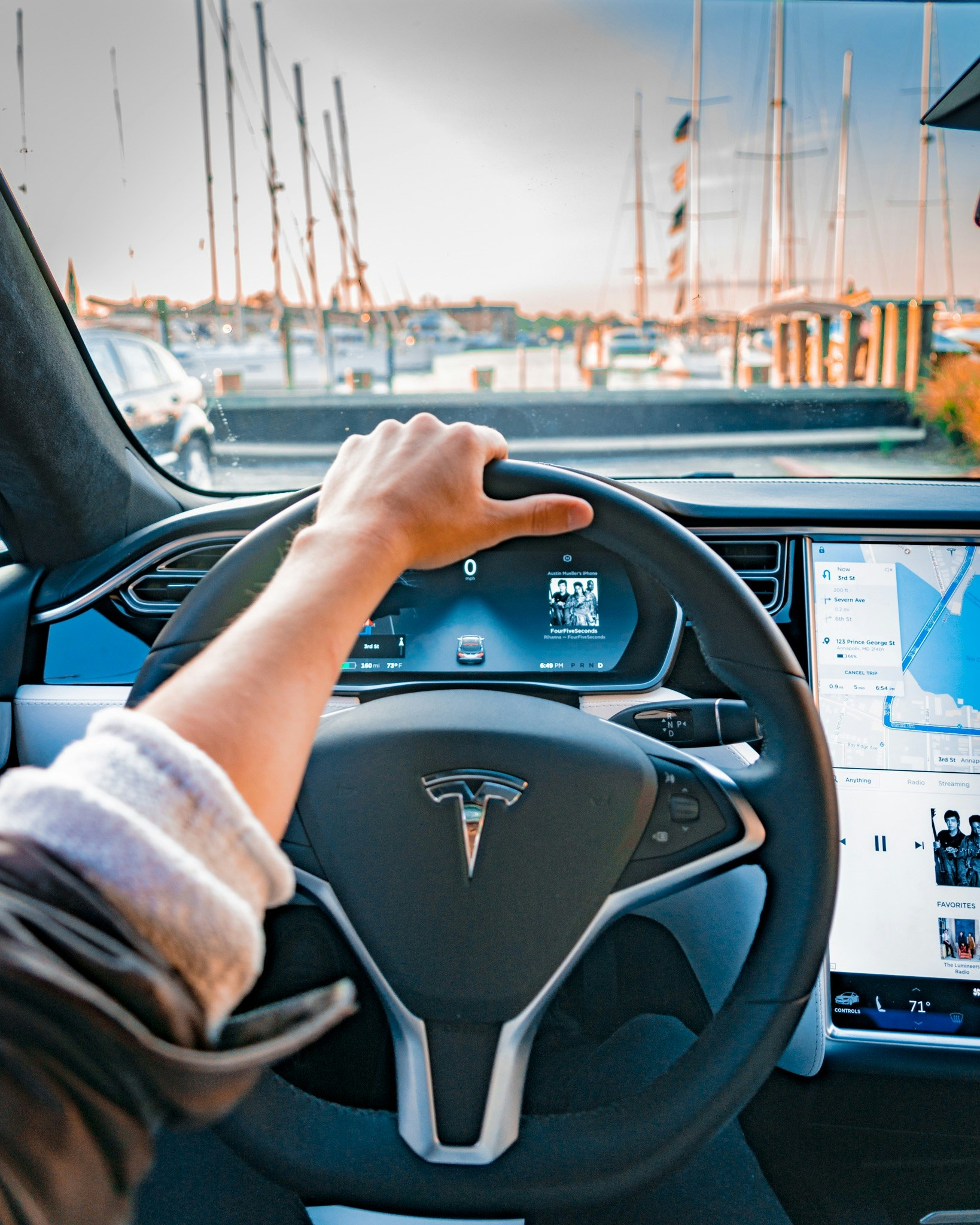
Overview of Tesla’s Compensation Package for Elon Musk
In a landmark decision that reaffirms Tesla’s commitment to aligning executive compensation with company performance, shareholders have approved a substantial compensation package for CEO Elon Musk. This package is notable for its unique structure, given that it is entirely performance-based, tying Musk’s potential earnings directly to the achievement of specific operational and financial milestones. The details of the compensation package reveal a staggering potential payout that could amount to billions of dollars, contingent upon Musk’s ability to drive the company’s growth and market value effectively.
The financial implications of this incentive structure are significant not only for Musk but also for Tesla as a whole. By making the compensation contingent on performance, shareholders are essentially betting on Musk’s leadership to produce tangible results that can enhance stockholder value. This approach aims to promote accountability and incentivize Musk to focus on long-term strategic goals, including expanding Tesla’s product lineup and increasing production capacity. However, the high stakes of this performance-based pay have triggered discussions about its fairness and the risk it poses of encouraging short-term decision-making at the expense of sustainable growth.
Reactions from Tesla shareholders have been mixed, with some applauding the move as a necessary component of progressive corporate governance, while others express concerns regarding potential excesses and whether linking compensation so closely to sky-high performance targets is realistic. Furthermore, this decision comes amidst broader scrutiny surrounding executive pay within the tech industry, where similar compensation structures are increasingly under the microscope. Ultimately, the approval of this compensation package for Musk raises crucial questions not only about Tesla’s future but also about the dynamics of corporate governance as it concerns executive accountability and the alignment of stakeholder interests.
Impact of Elon Musk’s Compensation on Tesla’s Growth and Shareholder Value
The recent approval of Elon Musk’s compensation package by Tesla shareholders marks a significant moment in the company’s governance and strategic direction. Musk’s leadership has positioned Tesla as a key player in the automotive and energy sectors, and his compensation structure is designed to align his interests with those of the shareholders. The proposed package hinges on ambitious performance targets, including vehicle production thresholds and market capitalization metrics, which reflect Musk’s commitment to driving growth.
Historically, Musk has demonstrated an exceptional ability to deliver shareholder value, notably through innovative product launches and expansion into new markets. His track record suggests that as he strives to meet these targets, Tesla is likely to experience accelerated growth. This approach not only incentivizes Musk to prioritize shareholder interests but also creates transparency regarding the company’s performance metrics, which can enhance investor confidence.
However, the compensation package is not without its potential risks. There remains a concern that the lofty targets could lead to short-term decision-making to meet milestones at the expense of long-term sustainability. Furthermore, the broader context of executive compensation trends suggests a growing scrutiny on how such packages are constructed and their fairness relative to the workforce’s remuneration. As companies across various sectors adopt performance-linked pay, Tesla’s approach serves as a case study in balancing executive incentives with wider organizational performance and corporate accountability.
In conclusion, while Musk’s compensation package is firmly rooted in growth objectives, it invites a critical analysis of its broader implications on Tesla’s shareholder value. Investors should remain cognizant of both the potential rewards and risks associated with Musk’s leadership compensation as they navigate future investment decisions in a rapidly evolving market landscape.
US Supreme Court’s Examination of Import Tariffs and Their Historical Context
The US Supreme Court has recently taken up the challenge of examining the legality of import tariffs that were implemented during the Trump administration. This inquiry has sparked a considerable amount of debate regarding the appropriateness of tariffs as a tool for economic policy. Historically, tariffs have been used to protect domestic industries, regulate trade deficits, and generate revenue. However, their use is often contentious, as it impacts various stakeholders including consumers, producers, and international trading partners.
The tariffs imposed by the Trump administration, particularly on goods imported from China and other countries, were aimed at addressing trade imbalances and what was perceived as unfair trading practices. However, these measures have drawn criticism for potentially raising costs for consumers and disrupting global supply chains. Critics argue that such tariffs can lead to retaliatory measures from affected countries, resulting in a cycle of trade tensions that could have broader economic implications.
The Supreme Court’s examination is pivotal, as its findings may influence the future of trade policy in the United States. A ruling in favor of upholding the tariffs could signal strong governmental authority to impose similar measures in the future, thus shaping the landscape of international trade relationships. Conversely, a decision against the tariffs could reflect a shift toward more liberal trade policies and the possible dismantling of existing tariffs. The implications of this case extend beyond the immediate economic context, potentially affecting employment rates, industry competitiveness, and the overall health of the economy.
In conclusion, the focus on import tariffs by the Supreme Court serves as a reminder of the complex interplay between legal authority and economic strategy. The outcomes of this scrutiny will likely resonate throughout international trade policies, influencing how such measures are conceived and executed in the future.
Intersection of Tesla’s Success and Tariff Legality: A Political Perspective
The relationship between Tesla’s corporate strategy and the evolving political landscape, particularly regarding tariff legislation, forms a critical nexus. As Tesla continues to push boundaries in electric vehicle innovation and production, it faces scrutiny not only from shareholders but also from policymakers. Recently, the Supreme Court’s examination of tariffs has the potential to impact automotive manufacturing and, by extension, Tesla’s operations.
Elon Musk’s ambitious vision for Tesla, which focuses on sustainability and expansion, relies on a stable economic environment bolstered by fair trade policies. Trade tariffs, particularly those imposed on automotive imports, can significantly affect Tesla’s supply chain and overall profitability. Changes in tariff legislation could lead to increased costs for critical components, subsequently forcing Tesla to reconsider pricing strategies or production locations. Consequently, this not only challenges Tesla’s competitive edge but also reverberates throughout the automotive industry, influencing the operations of traditional automakers.
The interplay of Musk’s substantial compensation package and the political landscape is noteworthy. The approval of this package reflects shareholder confidence in Tesla’s growth, which is intrinsically tied to external factors, including tariff arrangements. As tariffs change, the gating of international trade can lead to operational hurdles, such as delays in production or hurdles in expanding market reach. Tesla’s ability to rapidly adapt to these shifts can determine its role as a leader in the automotive sector.
Additionally, the potential economic repercussions stemming from the Supreme Court’s rulings on trade issues merit attention. Should tariffs become prohibitive, an unintended consequence may include stifling innovation within the sector, creating a ripple effect that could impact employment and investment in the automotive industry. Thus, the intersection of Tesla’s corporate strategies, Musk’s remuneration, and prevailing political dynamics establishes a complex landscape that requires continued observation as it evolves.
You might also like:
- Germany’s Political Shift: A Look at the New Merz Administration
- Funny Jokes for Everyday Activities: Must-Have Laughter!
- New World Set to Meet HK$27 Billion Sales Target
- Google is now letting customers in the US exchange their Gmail address
- Kalshi, Polymarket amongst 27 prediction platforms banned in Brazil
