
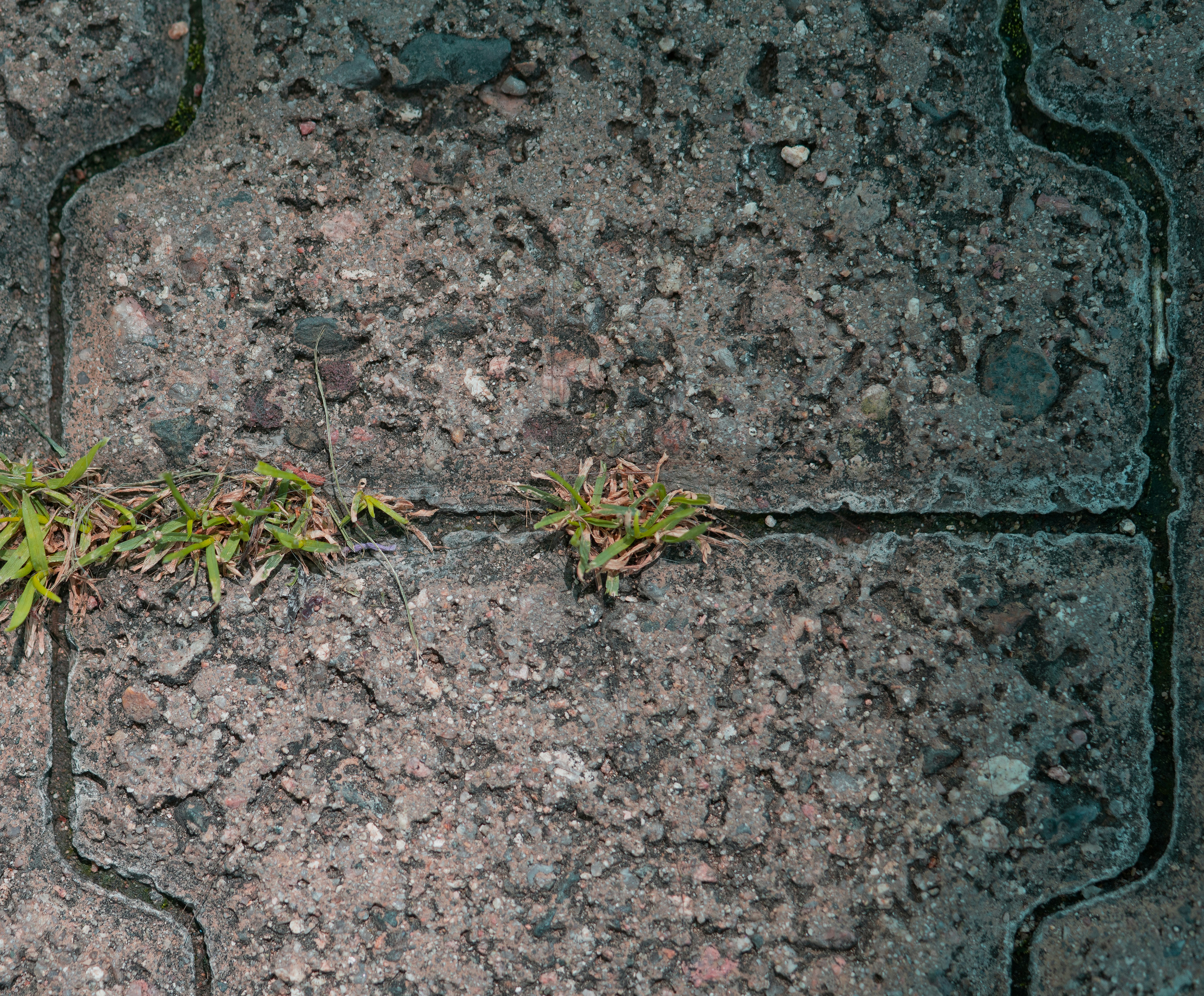
Introduction to Self-Healing Concrete
Self-healing concrete represents a transformative advancement in the construction industry, addressing significant challenges associated with traditional concrete materials. As a composite material composed primarily of aggregates, water, and cement, traditional concrete has long been susceptible to cracking, which can lead to reduced structural integrity, increased maintenance costs, and a shorter lifespan. This vulnerability necessitates the exploration of innovative solutions that enhance its durability and sustainability.
The significance of self-healing concrete lies in its ability to autonomously repair cracks as they develop over time. This capability is achieved through the incorporation of specific additives or technologies, such as encapsulated healing agents or bacterial spores that activate upon the presence of moisture within the cracks. By filling these voids, self-healing concrete significantly prolongs the life of structures, minimizes the need for extensive repairs, and reduces the environmental impact associated with manufacturing new materials and demolishing damaged structures.
Traditional concrete construction methods often face various challenges, including environmental degradation, structural failures, and substantial maintenance demands. As urban populations grow and infrastructure ages, the necessity for sustainable building practices has become increasingly urgent. Consequently, the construction industry is compelled to consider advanced materials that not only improve longevity and performance but also promote a circular economy. In this context, self-healing concrete emerges as a viable solution that aligns with contemporary sustainability goals.
Furthermore, the implementation of self-healing technologies can lead to a decrease in labor costs and resource consumption, as fewer repairs equate to lower material usage over the lifespan of a structure. The following sections will delve deeper into the mechanisms and applications of self-healing concrete, elucidating its potential to reshape the future of construction and address pressing challenges faced by the industry.
Understanding Cracks in Concrete
Concrete is widely regarded for its strength and durability, yet it is not impervious to cracking. The reasons behind the emergence of cracks in concrete are multifaceted, often influenced by various environmental and structural factors. One primary contributor is shrinkage, which occurs during the drying process. As concrete cures, it loses moisture and begins to shrink; if not adequately managed, this shrinkage can create tension, leading to visible cracks.
Temperature fluctuations also play a significant role in the cracking of concrete. When exposed to extreme heat or cold, concrete expands or contracts. This thermal stress can result in the development of cracks if the change occurs rapidly or if the concrete lacks adequate expansion joints. Additionally, heavy loads applied to concrete structures can induce stress, causing cracks when the concrete is unable to bear the load effectively. These variables lead to the formation of fissures that can undermine the concrete’s integrity.
The implications of cracks in concrete structures extend beyond aesthetic concerns. Cracks serve as pathways for water and air infiltration, potentially compromising the durability of the concrete itself. Moisture that seeps through these cracks can initiate corrosion processes in the embedded steel reinforcements, leading to structural weakness and safety hazards. Moreover, air infiltration can accelerate deterioration by triggering freeze-thaw cycles that exacerbate cracking in colder climates.
Given these issues, it becomes paramount to address the causes and effects of concrete cracking. The advent of self-healing concrete presents a viable solution to mitigate these risks. By integrating materials that allow concrete to repair itself autonomously, we can enhance the longevity and safety of concrete structures in the face of common environmental challenges. Understanding the fundamental causes of cracking is the first step toward implementing such innovative solutions.
How Self-Healing Concrete Works
Self-healing concrete represents a significant advancement in construction materials, providing innovative solutions to common issues such as cracking and deterioration. The primary functioning mechanisms of self-healing concrete involve two distinct approaches: biological and abiotic mechanisms, both of which enhance the material’s longevity and structural integrity.
The biological mechanism harnesses the natural processes of microorganisms. In this method, specific strains of bacteria are encapsulated within the concrete mix along with nutrients in a dormant state. When cracks form due to stress or environmental factors, water infiltrates these fissures, activating the bacteria. The bacteria then metabolize the nutrients, producing calcium carbonate as a byproduct. This mineral quickly fills the cracks, effectively sealing them and restoring the concrete to a sound state. This biocementation process not only enhances the material’s durability but also contributes to a reduction in maintenance costs over the lifespan of the structure.
On the other hand, abiotic mechanisms rely on the incorporation of polymeric materials or healing agents within the concrete matrix. These agents are designed to flow into cracks when they occur. The most common examples include specialized microcapsules or vascular networks that are embedded in the concrete. When a crack appears, the healing agent is released, initiating a chemical reaction that leads to the formation of a solid bond that seals the crack. This method is favored for its immediate response to damage, ensuring the concrete remains structurally sound without requiring external intervention.
Both mechanisms serve as vital components of self-healing concrete, allowing for a proactive approach to managing material failure. As the construction industry gradually embraces these technologies, the potential for extending the lifespan of infrastructure and reducing repair costs becomes increasingly evident.
Biological Mechanism: The Power of Bacteria
The innovative concept of self-healing concrete relies significantly on biological mechanisms, particularly the inclusion of spore-forming bacteria. Developed by Professor Henk Jonkers, this groundbreaking approach utilizes specifically selected bacterial species, such as those from the Bacillus genus, which are capable of enduring harsh environmental conditions within concrete. The incorporation of these bacteria into the concrete matrix ensures their resilience and longevity, enabling them to remain dormant until needed.
When cracks occur in the concrete, the dormant spores are activated by the presence of moisture and nutrients within the fissures. This activation is essential for the healing process to commence, allowing the bacteria to metabolize their food source, which is typically calcium lactate infused within the concrete mix. As the bacteria break down the calcium lactate, they undergo cellular respiration, producing carbon dioxide in the process. This carbon dioxide then reacts with calcium ions present in the mix, resulting in the formation of calcium carbonate.
The emergence of calcium carbonate is crucial; this mineral not only acts as a binding agent but also effectively seals the cracks formed in the concrete. By filling these voids, the healing process restores the integrity of the concrete structure, reducing the need for costly repairs and maintenance. Furthermore, the self-healing properties of this biological concrete can be particularly advantageous in adverse environmental conditions, contributing to increased durability and sustainability in construction projects.
This technique exemplifies the potential for leveraging biological mechanisms in modern construction, paving the way for more resilient and environmentally friendly building materials. The application of spore-forming bacteria in concrete symbolizes a significant advancement in engineering solutions, promising to transform conventional concrete practices and enhance structural longevity.
Abiotic Mechanism: Microencapsulation Techniques
Self-healing concrete represents a remarkable advancement in construction technology, primarily through the utilization of abiotic mechanisms such as microencapsulation techniques. These techniques involve embedding polymer microcapsules or hollow fibers into the concrete mixture. Each microcapsule is designed to contain liquid restoration agents that actively contribute to the healing process upon crack formation.
The process begins with crack propagation, a natural occurrence due to various stressors such as environmental changes, temperature fluctuations, or mechanical impacts. As cracks develop and widen within the concrete matrix, they can jeopardize the structural integrity of the material. However, the embedded microcapsules are influenced by this very change. When a crack reaches a microcapsule, it breaks open, releasing the liquid healing agents contained within.
Upon release, these healing agents flow into the crack site, where they undergo a series of chemical reactions facilitated by the presence of moisture and air. This reaction leads to the rapid hardening of the agents, effectively sealing the cracks and restoring the mechanical properties of the concrete. The process not only enhances the lifespan of concrete structures but also promotes sustainability by minimizing the need for frequent repairs or replacements.
Moreover, recent advancements in polymer materials have significantly improved the efficacy of microencapsulation techniques. By optimizing the size and composition of the microcapsules, researchers are enhancing their stability and specificity to ensure maximum healing potential in varied conditions. The integration of hollow fibers, which can transport healing agents to larger cracks, further broadens the application of this technology. This innovative approach highlights the growing importance of abiotic mechanisms in the development of self-healing concrete, ultimately paving the way for more resilient construction materials.
Advantages of Self-Healing Concrete
Self-healing concrete represents a significant advancement in construction technology, offering several compelling advantages that cater to modern structural engineering needs. One of the primary benefits lies in its ability to significantly extend the lifespan of various structures. By leveraging innovative healing agents, self-healing concrete can autonomously mend cracks and voids as they develop, thereby preventing further deterioration and prolonging the integrity of the material. As a result, projects utilizing this advanced concrete blend can benefit from diminished wear and tear over time, leading to more resilient infrastructures.
Additionally, self-healing concrete can lead to substantial reductions in maintenance and repair costs. Traditional concrete often requires regular inspections and repairs, which can be both time-consuming and financially burdensome. With self-healing properties, the need for frequent repairs can be curtailed, allowing organizations to allocate resources more efficiently. By minimizing the need for human intervention in the maintenance process, construction projects can realize a significant decrease in labor and material costs over their lifespans.
Another critical advantage of self-healing concrete is its ability to protect steel reinforcements from corrosion. In standard concrete applications, cracks allow moisture and harmful agents to infiltrate the substrate, leading to the deterioration of steel reinforcements and a consequent reduction in structural integrity. Self-healing concrete, by mitigating the development of such cracks, essentially creates a shield that preserves the embedded steel, thus enhancing the overall lifespan of the construction.
Lastly, self-healing concrete contributes to sustainability efforts by minimizing carbon emissions typically associated with traditional concrete maintenance. By reducing the frequency of repairs and the need for new material production, this innovative concrete type not only fosters environmental responsibility but also promotes efficient resource utilization. As such, self-healing concrete stands as a pivotal development in fostering a more sustainable construction industry.
Challenges Facing Self-Healing Concrete
Despite the promising benefits of self-healing concrete, several challenges may hinder its widespread adoption within the construction industry. One primary concern is the production cost associated with self-healing concrete compared to traditional concrete. The inclusion of materials, such as bacterial spores or healing agents, can significantly elevate the production expenses. Stakeholders in the construction sector often prioritize budget constraints, and if self-healing solutions are perceived as economically unfeasible, their implementation may face resistance.
Another substantial challenge relates to the effectiveness of self-healing concrete, particularly when addressing larger cracks. While self-healing technologies may successfully mend smaller fissures, the current systems potentially struggle with larger structural damages. These limitations raise questions about the reliability and performance of self-healing concrete in real-world applications. Construction projects frequently involve complex structures that can incur significant damage, and the inability of self-healing concrete to manage these larger issues could further impede its acceptance among builders and engineers.
Additionally, the technical challenge of ensuring the long-term survival of bacterial spores within the highly alkaline environment of concrete presents another barrier. The viability of bacteria is crucial for their functionality in self-healing processes, and concrete’s pH levels can significantly reduce their lifespan. Ensuring that these bacteria remain active and effective over extended periods of time is vital for the success of self-healing concrete. Failure to address this aspect may undermine the long-term benefits that self-healing systems are intended to provide.
In summary, while self-healing concrete presents numerous advantages, addressing the challenges of production costs, effectiveness in larger cracks, and bacterial sustainability is essential for fostering its acceptance within the construction industry. Only through rigorous research and development can these obstacles be overcome, paving the way for innovative advancements in building materials.
Real-World Applications and Case Studies
Self-healing concrete, an innovative advancement in construction technology, is increasingly being utilized in various real-world applications. One notable implementation is the use of self-healing concrete in bridges and highways, where structural integrity is paramount. A recent project in the Netherlands involved the construction of a pedestrian bridge that incorporated a self-healing concrete mix. The bridge gained attention for its potential to significantly reduce maintenance costs while prolonging the lifespan of the infrastructure. Field tests demonstrated that the self-healing capabilities effectively addressed minor cracks that appeared soon after installation, ultimately contributing to the durability and sustainability of the structure.
Another compelling case study can be found in the construction of the Rotterdam University of Applied Sciences. This institution integrated self-healing concrete within academic buildings, aimed at both practical and educational purposes. Students and researchers monitored the material’s performance, providing them with valuable insights. Reports highlighted that, when exposed to water, the self-healing agents activated, filling micro-cracks and enhancing the overall resilience of the concrete. Feedback from builders indicated that the self-healing properties reduced the need for frequent repairs, leading to lower labor and material costs, and exemplifying the practical advantages of this technology in everyday use.
Moreover, in the realm of residential construction, a development project in Italy utilized self-healing concrete in the foundations of homes. This strategic choice aimed to combat common issues faced by homeowners, such as moisture infiltration and settlement cracks. Performance evaluations after a year of use conveyed positive results. Homeowners reported greater satisfaction with the durability and longevity of their foundations, indicating that the self-healing mechanism not only met but exceeded expectations. These case studies collectively underscore the practicality and effectiveness of self-healing concrete in diverse construction projects, showcasing its revolutionary potential in addressing common structural challenges.
The Future of Self-Healing Concrete
The construction industry is at the threshold of a significant transformation, with self-healing concrete emerging as a revolutionary material. This innovative technology holds promising potential to address prevalent issues related to durability and maintenance in building structures. Ongoing research is yielding crucial insights into various mechanisms that allow concrete to autonomously repair itself. Innovations such as encapsulated healing agents and advanced fiber materials are paving the way for more effective and efficient self-healing processes.
In recent years, significant advancements have been made in the development of self-healing concrete, including enhanced formulations that increase its longevity while reducing the environmental impact. For instance, materials infused with microcapsules containing healing agents can release these agents when cracks occur, promoting autonomous repair. Additionally, bio-based solutions, such as bacteria that trigger calcite precipitation to fill cracks, present an exciting avenue for research. The ability for concrete to heal itself not only reduces the need for costly repairs but also increases structural integrity over time.
The possibilities for wider application of self-healing concrete are vast. It can be employed in various construction projects, from infrastructure like bridges and roads to residential buildings. As awareness of climate change grows, the construction industry is shifting towards sustainable practices. Self-healing concrete aligns seamlessly with these developments, as its durability extends the lifecycle of structures and minimizes waste associated with repair and maintenance. Ultimately, the integration of such technologies could lead to a paradigm shift in how we approach construction, emphasizing resilience, efficiency, and environmental responsibility.
As the industry continues to evolve, the prospects for self-healing concrete remain bright, and its implementation could redefine standards in construction technology. The ongoing evolution of this innovative material is set to enhance not only the processes involved in construction but also the overall sustainability of the built environment.
You might also like:
- Unexpected Kitchen Chaos: When Tim Tries Cooking!
- Iran Leaves Door Open For Peace Talks As Hunt For Missing U.S. Pilot Continues
- One Night time Handiest: Legit Trailer, Poster, Pictures, Summary Released
- Tensions Rise: Iran Accused of Plotting Ambassadorship Assassination
- Slapstick Comedy: 7 Best Proven Gags That Still Crack Up
