
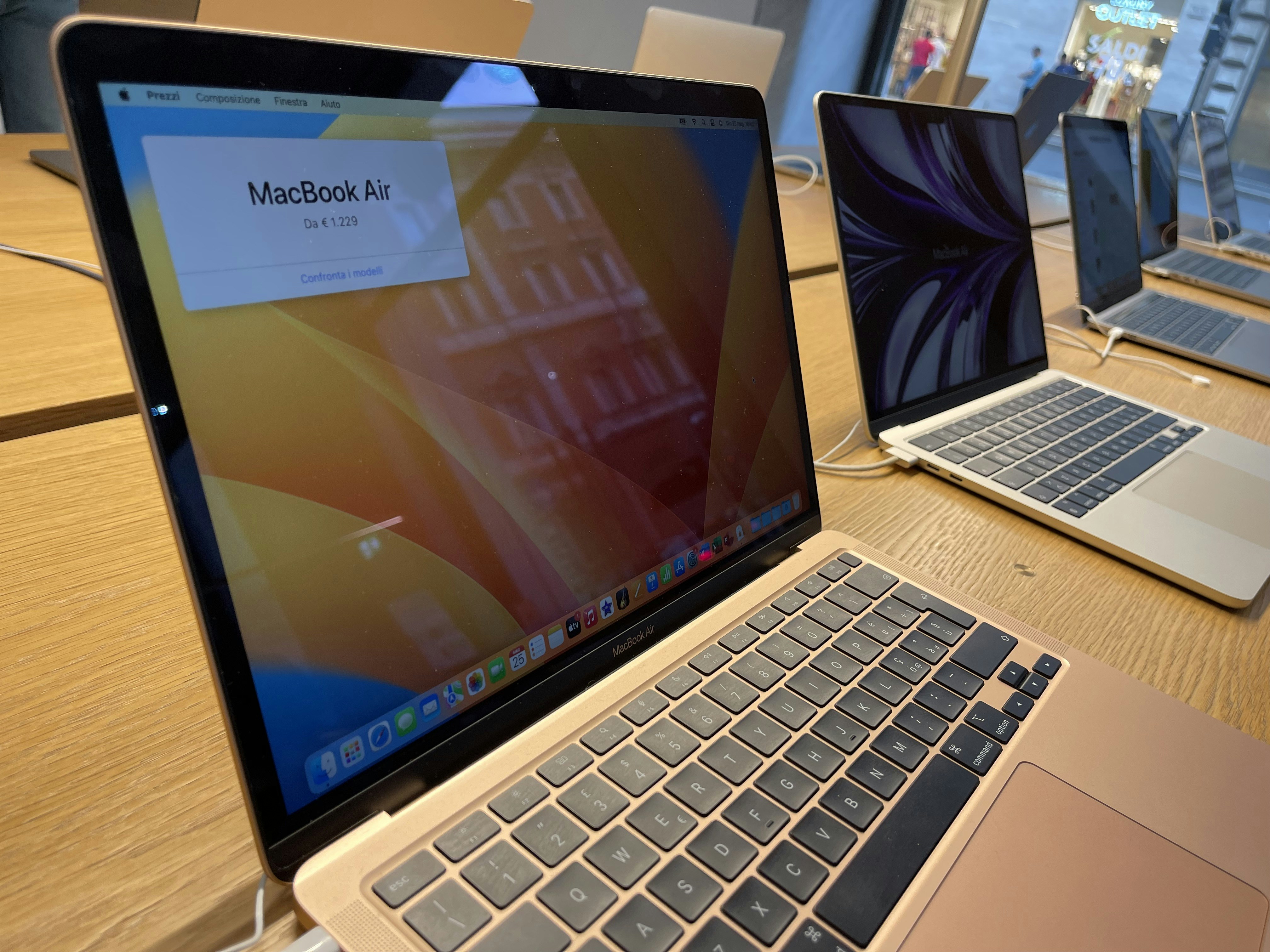
Understanding the Current Situation
Recent reports have highlighted a concerning trend within the technology sector, specifically regarding TSMC, or Taiwan Semiconductor Manufacturing Company, which plays a crucial role in the production of semiconductor chips essential for devices like iPhones and MacBooks. According to industry insiders, TSMC is contemplating a price increase for its chips that may reach as high as 50%. This potential surge is significant, particularly given TSMC’s position as a leading supplier in the semiconductor market, which underscores its influence on the pricing landscape of various consumer electronics.
The ramifications of these rising costs are far-reaching, particularly for Apple, which heavily relies on TSMC for its chip manufacturing. Apple is known for its commitment to innovation and quality, and any increase in the cost of component parts could compel the company to pass these expenses onto consumers in the form of higher retail prices. This includes flagship products such as the latest iPhones and MacBooks, which are already positioned at a premium price point in the market. As TSMC adjusts its pricing structure to account for factors such as rising material costs or demand fluctuations, consumers should brace for potential price hikes on their favored Apple devices.
Moreover, a price surge might not only affect the availability of products but could also lead to longer wait times for new product launches, as companies navigate supply chain and cost challenges. For consumers, this situation raises pertinent questions about future accessibility to these devices, especially for those who rely on Apple’s technology for personal and professional use. The ongoing developments within the semiconductor industry, particularly those related to TSMC, warrant close attention, as they may dictate the pricing strategies of tech giants and impact users’ purchasing decisions.
Impact of Chip Price Increases on Apple Products
The recent decision by TSMC, a crucial supplier of semiconductor chips, to raise prices has significant implications for Apple Inc.’s product portfolio, especially the iPhone and MacBook lines. The semiconductor market has been under pressure due to increased demand and ongoing supply chain challenges. As Apple relies heavily on TSMC for its chips, these price hikes will likely translate to increased production costs for these devices.
Higher chip prices can lead to a surge in the overall manufacturing expenses for Apple. For the iPhone, which often devises complex technology and features, the impact may be particularly profound given its reliance on state-of-the-art processors and components. Similarly, MacBooks, which incorporate advanced chips for enhanced performance, could see similar cost escalations. Consequently, Apple may be compelled to re-evaluate its pricing strategies, potentially passing some of these increased costs onto consumers. This shift could result in higher retail prices for these products, affecting their market competitiveness.
Historically, Apple has demonstrated a responsive approach to fluctuations in component costs. When faced with similar situations in the past, the company has either absorbed costs to maintain market share or adjusted its pricing structures accordingly. For instance, during the last chip shortage, the company opted to enhance certain features of newer models while also increasing prices to reflect the added value. This strategy may repeat as the tech giant navigates the current situation wrought by TSMC’s price adjustments.
In a broader context, the implications of rising chip prices extend beyond just the immediate effects on Apple’s financials. They could alter consumer behavior and impact sales if prices rise too significantly, thus impacting Apple’s overall market positioning and long-term profitability.
Consumer Reactions and Market Predictions
The prospect of a price surge for iPhones and MacBooks is likely to elicit a wide range of consumer reactions, which can significantly influence purchasing behavior. Historically, Apple has cultivated a loyal customer base that is often willing to pay a premium for its products. However, with the anticipated price increase, current sentiment among consumers may shift. Social media and online forums reveal mixed feelings, with some consumers expressing frustration over the financial implications, while others remain steadfast in their loyalty to the brand. The latter group may view the price increase as a reflection of enhanced quality and innovation, particularly with the expected introduction of advanced features in future devices.
Market predictions suggest that this pricing strategy could lead to a decline in sales volume. Industry analysts expect that higher prices may deter some price-sensitive consumers, especially in a marketplace flooded with competitive alternatives. As brands such as Samsung and Google continue to innovate and offer advanced technology at lower price points, Apple’s market share could be at risk if the price hikes are not justifiable through perceived value. In contrast, some analysts argue that Apple’s strong brand loyalty will mitigate potential losses in sales, positing that many consumers prioritize brand equity and ecosystem integration over cost. Furthermore, higher-end models might attract niche markets willing to invest in premium technology, potentially balancing the projected decrease in sales for entry-level devices.
Ultimately, the dynamics of consumer behavior and expert market predictions will continuously evolve as more information about the impending price increases is revealed. Companies will also need to consider how these adjustments could align with their overall market strategy and the price movements of competitors, as well as shifting consumer expectations in a rapidly developing tech landscape.
Future Outlook: Will Price Increases Become the Norm?
The ongoing trend of increased prices for integrated circuits, particularly those manufactured by Taiwan Semiconductor Manufacturing Company (TSMC), poses significant questions for Apple’s pricing strategies concerning its flagship products, namely iPhones and MacBooks. As the cost of essential components rises, Apple may face pressing challenges to maintain its previous price points while also adhering to its commitment to profitability.
Market analysts suggest that if the chip prices remain elevated, it is plausible that price increases for Apple’s devices could become a recurring norm rather than an isolated incident. There are several variables at play, including the competitive landscape of the technological industry, consumer expectations, and the ongoing necessity for innovation. Apple has historically navigated such challenges by optimizing its product offerings and enhancing operational efficiencies, yet the current economic climate may prompt a more fundamental reassessment of pricing strategies.
Apple could explore various adaptations to its business model to counterbalance the pressures of rising costs. This might involve a reevaluation of its product lineup, potentially prioritizing premium offerings that justify higher price points while aiming to maintain a loyal customer base. Furthermore, investments in research and development could lead to breakthroughs that enhance product efficiency or performance, possibly offsetting some of the increased manufacturing expenses.
While customers might brace for these potential hikes, the future of Apple’s pricing landscape relies heavily on advancements in technology and supply chain management. Innovations in semiconductor manufacturing, such as the development of smaller, more efficient chips, could reduce costs over time. Thus, while the prospect of continual price increases looms, Apple’s proactive measures and commitment to innovation may provide a pathway to mitigate the impact on consumers, ensuring that the expectation of value remains intact in its products.
You might also like:
- Trump says he’s reviewing Iran’s unique offer but doubts it is ‘acceptable’ – NBC Files
- Macron’s Push for Safer Social Media Use Among Minors in Europe
- Winter Storm Fern: A Breakdown of the Major Disruptions Across the U.S.
- Spider-Man: Tag Unusual Day Debuts Two Unusual Posters At CinemaCon
- Unusual-Ukraine’s Zelenskiy says proposal of affiliate EU membership ‘unfair’
