
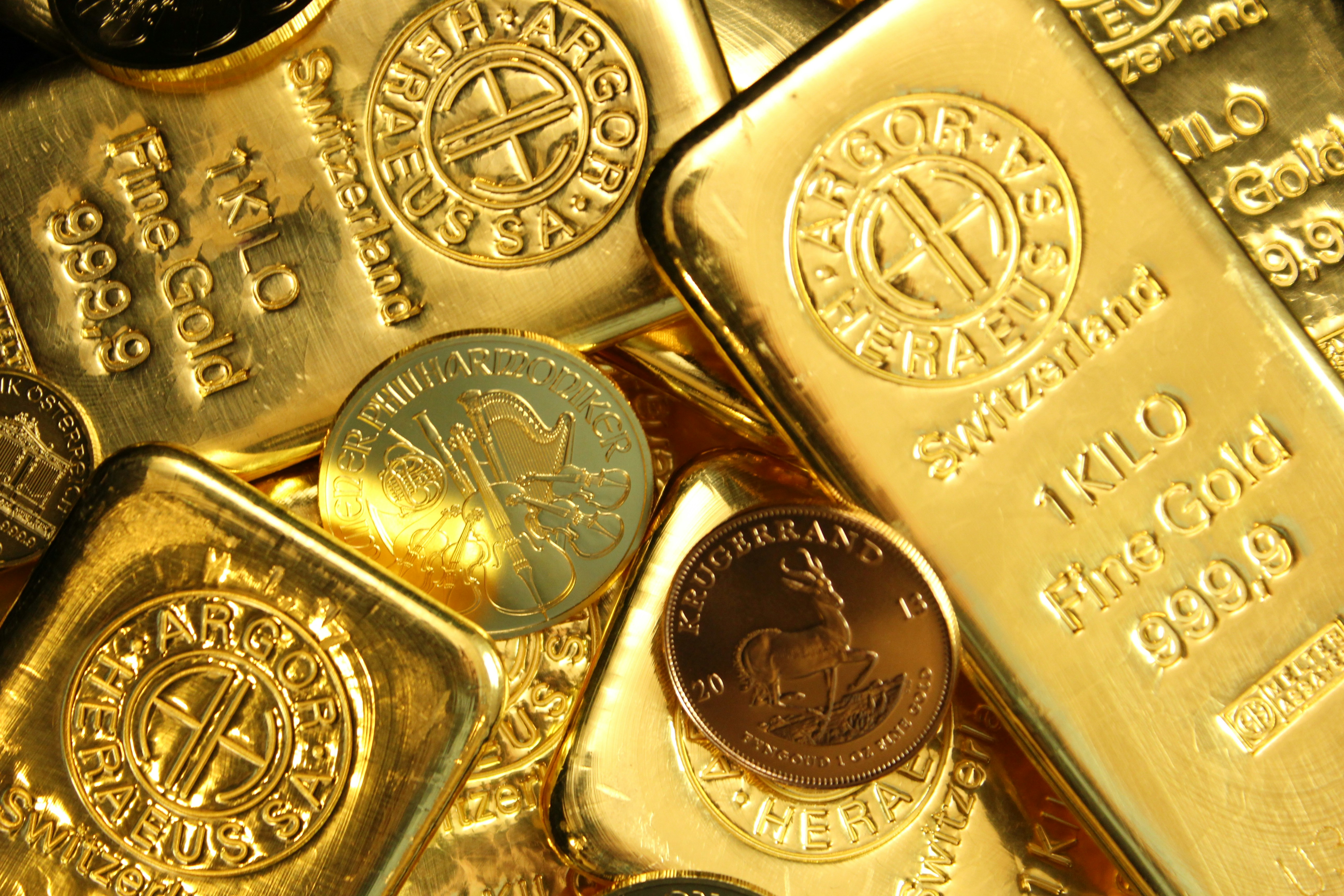
Understanding Gold’s Appeal as a Safe Haven Investment
Throughout history, gold has been perceived as a safe haven asset, demonstrating a notable ability to retain its value during times of economic uncertainty and geopolitical turmoil. This enduring appeal can be traced back thousands of years, with cultures across the globe consistently turning to gold as a trusted form of wealth preservation. Its intrinsic qualities, including scarcity, divisibility, and ease of transport, have contributed to its desirability as a form of investment.
Gold’s unique characteristics lend it a strong position in protecting against inflation and currency depreciation. Unlike fiat currencies, whose value can be influenced by government policies and economic instability, gold is a tangible asset, often regarded as a hedge against harmful inflation. When traditional investments such as stocks and bonds face volatility, investors often revert to gold, recognizing that its intrinsic value remains relatively stable. This intrinsic stability becomes particularly relevant during periods when confidence in financial markets wavers.
Recent global events have further cemented gold’s status as a safe haven. For instance, during times of geopolitical conflicts or economic downturns, gold prices tend to surge as investors seek refuge from potential losses. The uncertainty stemming from trade wars, public health emergencies, and shifts in fiscal policy are just a few examples where gold has flourished as a protective investment. The comments from Federal Reserve Chair Jerome Powell emphasizing the economy’s fragility underscore how quickly investor sentiment can shift, driving demand for gold as a secure asset. Thus, the historical context of gold, paired with its reliability amid contemporary upheavals, reinforces its inherent appeal as a prudent investment choice in turbulent times.
Jerome Powell’s Insights on Economic Conditions
Recently, Jerome Powell, the Chair of the Federal Reserve, delivered several impactful statements addressing the current state of the U.S. economy. His remarks primarily focused on pressing concerns such as inflation rates, interest rate adjustments, and the future of the Federal Reserve’s monetary policy. As inflation continues to be a significant challenge, Powell indicated that the Federal Reserve remains committed to its dual mandate of promoting maximum employment and stabilizing prices.
In his speeches, Powell emphasized that the Federal Reserve would take a data-driven approach to monetary policy, noting that recent inflation figures have shown persistent upward pressure. This acknowledgment has heightened market expectations regarding potential interest rate hikes. Powell’s comments suggested that sustained interest rate adjustments might be necessary to counteract inflationary trends, which plays a crucial role in shaping investor sentiment.
Furthermore, Powell noted the importance of maintaining a flexible monetary policy, allowing the Federal Reserve to respond effectively to evolving economic conditions. His insights into future policy actions are particularly relevant as they correlate with market perceptions of gold as a safe haven asset. As uncertainty looms over the economy, investors are increasingly seeking refuge in gold, bolstered by Powell’s indication of a cautious yet proactive monetary stance.
The market’s reaction to Powell’s comments underscores the growing influence of central bank policies on gold prices. With inflation concerns still prevalent, the strategic positioning of gold as a hedging mechanism against economic instability has gained traction. Powell’s emphasis on data and adaptability could shape the trajectory of both interest rates and the attractiveness of gold in the coming months. This evolving dynamic reveals the intricate relationship between central bank decisions and precious metal markets.
Case Studies: Venezuela and Iran—Gold’s Role in Crisis Economies
Throughout history, nations have faced economic turmoil that significantly impacts their financial stability and the welfare of their citizens. In recent years, Venezuela and Iran have emerged as pertinent examples of how these countries have turned to gold as a refuge amid severe economic crises characterized by high inflation, currency devaluation, and international sanctions.
Venezuela, once a prosperous oil-exporting nation, has experienced one of the most dramatic economic collapses in modern history. Hyperinflation, which has reached unprecedented levels, has rendered the national currency, the bolívar, practically worthless. With citizens facing food shortages and skyrocketing prices for basic goods, many Venezuelans have sought stability and value in gold. The country has seen an increase in the buying and selling of gold, with individuals turning to this precious metal as a means to preserve wealth and facilitate trade, often conducting transactions in gold instead of the national currency.
Similarly, Iran has also found itself in a critical economic situation exacerbated by U.S. sanctions that have targeted its oil exports and financial transactions. In response to these sanctions and a depreciating rial, Iranians have increasingly turned to gold as a safe haven. The government has encouraged gold purchases as a way to counteract inflation and stabilize the domestic economy. This shift reflects a broader trend of countries under economic duress seeking alternative means to safeguard their assets, with gold emerging as a crucial tool for wealth preservation during times of uncertainty.
These case studies affirm that gold continues to play an indispensable role as a stable reserve asset for nations grappling with severe economic challenges. In both Venezuela and Iran, the resurgence of gold in economic strategies highlights its lasting appeal as a form of security and a hedge against currency instability. This reliance underscores gold’s enduring reputation as a “safe haven” asset in times of crisis, reinforcing the global perception of its value across diverse economic landscapes.
The Future of Gold in Global Markets
The outlook for gold in global markets remains a pivotal topic among investors and analysts, particularly as the world navigates through a complex web of economic and geopolitical challenges. In the wake of heightened inflation rates, which many nations are experiencing post-pandemic, gold is increasingly being viewed as a hedge against currency devaluation and market volatility. The interplay between inflation, interest rates, and monetary policy continues to shape investor sentiment, directing attention toward precious metals.
As global economies recover from the impacts of COVID-19, central banks across various countries are cautiously optimistic. However, the prospect of rising inflation can trigger a renewed focus on gold investments. Analysts suggest that, despite the potential for economic stabilisation, the persistent threat of inflation might prompt investors to gravitate towards gold as a safe-haven asset. Experts predict that the demand for gold, influenced by its intrinsic value during periods of uncertainty, could see a significant increase.
Additionally, ongoing geopolitical tensions serve to bolster the appeal of gold. With factors such as trade disputes, military conflicts, and diplomatic strains remaining prevalent, investors often seek refuge in gold during turbulent times. Commentators assert that in an increasingly volatile world, the yellow metal may retain its status as a reliable store of value.
Ultimately, while predictions can be elusive, the consensus appears to indicate that gold will continue to hold value amid cascading global uncertainties. Therefore, investors are encouraged to remain informed and consider the potential implications of macroeconomic and geopolitical dynamics on gold investment trends over the coming years.
You might also like:
- Sports Unleashed: Elevate Your Game to Unmatched Heights
- Space Bitcoin ETFs scrutinize 9-day influx dawdle as investors indicate resilience
- 11 Causes to Await the iPhone 18 Legit – MacRumors
- WHO Publicizes World Health Emergency Over Ebola Outbreak
- Analyzing Australia’s Growing Pension System
