
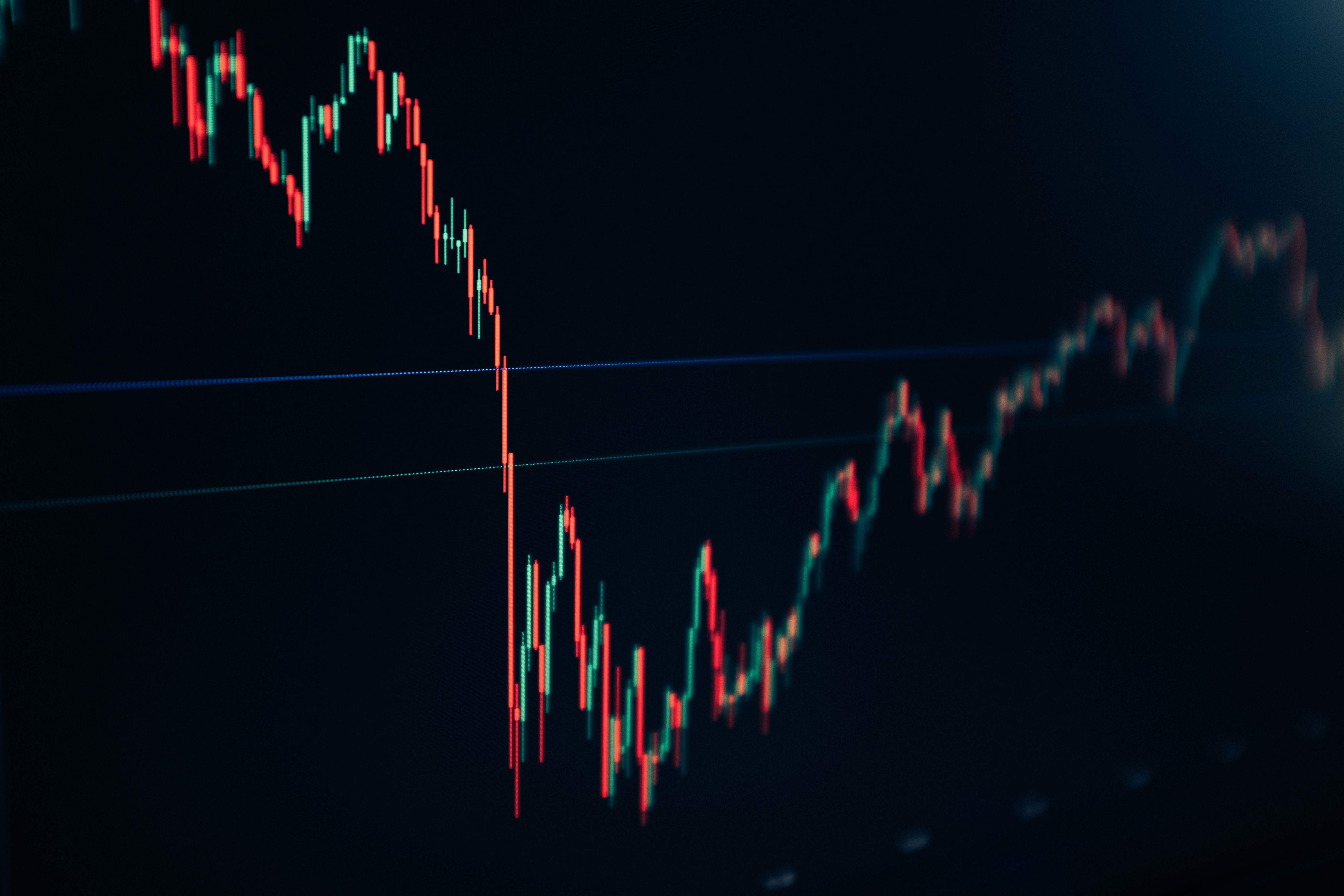
The Calm After the Storm: Understanding Low Volatility in Currency Markets
In recent months, currency markets have experienced an unprecedented period of low volatility, marking five-year lows across several key measures such as the Deutsche Bank Currency Volatility Index (CVIX) and three-month traded volatility. This tranquil environment is noteworthy as it signifies a retreat from the abrupt price swings that often characterize forex trading. According to recent statistics, the CVIX has demonstrated a consistent trend downward, reflecting a significant decline in global uncertainty and hence, a diminished appetite for risk.
The factors contributing to this subdued volatility are multifaceted. External events such as the US government shutdown have led to reduced economic activity and lower expectations for policy changes, contributing to a more stable trading atmosphere. With fewer catalysts for sharp currency movements, traders and market analysts have noted a marked decrease in price fluctuations, paving the way for a more predictable trading environment. As a result, the risk of sudden exchange rate movements has been minimized, providing traders with a semblance of comfort in their strategies.
This low-volatility climate has begun shaping new trading strategies, especially the surge in carry trades where investors borrow in low-interest-rate currencies to invest in higher-yielding assets. The reduced volatility has bolstered the appeal of such strategies, given the minimized risks associated with sharp currency shifts. As investors look to capitalize on these stable conditions, understanding the underlying factors driving this calm will be crucial for effective forex trading and strategic positioning. Thus, it becomes imperative for traders to keep a close watch on economic indicators and geopolitical developments that could disrupt this tranquil state in the currency markets.
The Carry Trade: Profitability in a Low-Volatility Landscape
The carry trade has gained considerable traction as traders look to navigate the landscape of low US dollar volatility. This strategy primarily involves borrowing in a currency with low interest rates, such as the US dollar, and utilizing those funds to invest in higher-yielding currencies. By capitalizing on the interest rate differentials, traders aim to generate significant returns that would otherwise be unavailable in a stable or declining interest-rate environment.
Several factors contribute to the current appeal of the carry trade. Firstly, the US dollar remains comparatively low in yield amid sustained accommodative monetary policies, creating an opportune situation for traders to borrow at lower costs. Meanwhile, currencies from emerging markets or regions with tighter monetary policies offer more attractive returns, further incentivizing this strategy. As global financial conditions are influenced by central banks maintaining low rates to stimulate economies, the prospect of earning interest from these investments becomes even more enticing.
Additionally, the low-volatility environment enhances the effectiveness of the carry trade. In such settings, fluctuations in currency values are muted, reducing the risk associated with unexpected market movements. This stability allows traders to hold their positions for extended periods, contributing to the overall profitability of their investments. Consequently, when compared to global stock markets, the carry trade showcases a competitive advantage, especially in times of increasing market unpredictability.
In essence, the carry trade’s current effectiveness is a result of favorable interest rate differentials and the prevailing low-volatility conditions. As traders continue to seek alternative avenues for profit, this strategy is poised to remain a critical component in the contemporary currency trading landscape.
Emerging Trends: The Dollar as a Funding Currency
In recent geopolitical and economic climates, the US dollar’s role has evolved significantly, particularly its transition from being a highly coveted asset to serving predominantly as a funding currency for carry trades. This shift has been particularly evident as investors seek to capitalize on higher yields available in emerging market currencies, utilizing the relatively stable and low volatility nature of the dollar. The strategy often involves borrowing in US dollars at low interest rates and investing in assets denominated in emerging market currencies with substantially higher returns.
When analyzing the performance of dollar-funded carry trades, notable examples include the Brazilian real and the Mexican peso. These currencies have exhibited impressive returns against the US dollar, attracting investors despite the inherent risks tied to volatility in emerging markets. For instance, over the past year, the Brazilian real showcased resilience and strength against the dollar, offering attractive yields that drew significant attention from carry traders. Similarly, the Mexican peso has also seen an uptick in interest, providing competitive advantages for those leveraging currency differentials.
Key metrics demonstrate that dollar-funded carry trades have outperformed traditional funding approaches. Factors such as local interest rates, inflation differentials, and overall economic stability play critical roles in shaping performance outcomes. In many cases, emerging market currencies have not only met but exceeded the expected benchmarks, providing investors with superior returns compared to conservative dollar investments.
Consequently, the evolving landscape of currency trading emphasizes the dollar’s emerging role as a crucial funding currency for carry trades. This dynamic reflects a broader trend where investors are increasingly willing to embrace the risks associated with emerging markets, driven by the lure of higher yields. As this paradigm continues to shift, the implications for both traders and the global financial markets warrant careful consideration.
Risks and Challenges in the Current Trading Environment
As the landscape of currency trading evolves, particularly with the rise of carry trades in an environment of low US dollar volatility, it is essential to address the inherent risks that accompany this trading strategy. Carry trades, which involve borrowing in low-interest-rate currencies to invest in higher-yielding assets, can seem lucrative under stable conditions. However, traders must remain vigilant about the lurking dangers that sudden volatility can present. When market conditions shift unexpectedly, the potential for sharp retracements in currency values becomes a pressing concern.
The crowded nature of carry trades exacerbates this risk. As more participants enter this space, the simultaneous unwinding of positions can create significant disruptions across the market. This phenomenon often leads to a liquidity crunch, where the rapid exit of traders results in heightened volatility, counteracting the very reasons they entered carry trades in the first place. Financial analysts have cautioned that when too many investors crowd into similar strategies, the market dynamics can quickly shift, leading to a dramatic increase in risk and instability.
Moreover, geopolitical factors cannot be overlooked in this context. External shocks, such as changes in trade policies, political instability, or global economic downturns, can drastically alter the perceptions of risk and reward associated with carry trades. Major financial institutions have offered insights into these aspects, recommending a well-balanced approach that includes tolerating adequate hedges and staying informed about global developments that could influence market stability.
In conclusion, while carry trades may provide attractive returns in a low-volatility environment, traders must remain acutely aware of the associated risks. The potential for sudden shifts in currency value and external geopolitical events necessitates a cautious and informed strategy to navigate future uncertainties effectively.
You might also like:
- Funny Jokes: Exclusive Humor for Everyday Activities
- Half VI – The Legacy of the Wars of the Roses: Delusion, Reminiscence, and Popular Interpretation
- The Future of Packaging: Understanding Manufacturers’ Recycling Commitments
- Tragedy Strikes: The Car Bomb Explosion in New Delhi
- How the dispute between Trump and Pope Leo escalated – CBS Files
