
Closure Announcement and Schedule
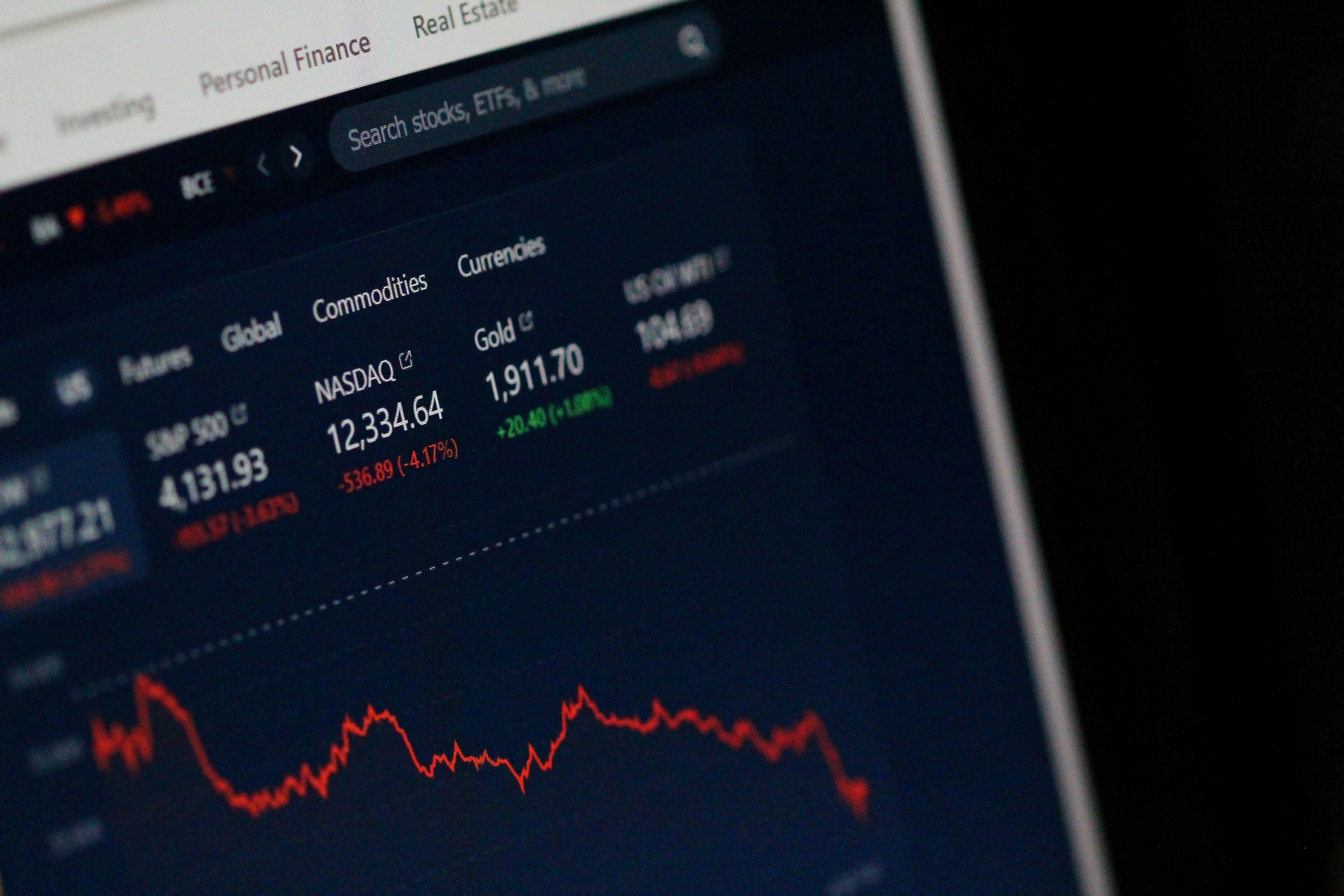
On March 1, 2026, the UAE Capital Markets Authority officially announced the temporary closure of the country’s stock markets in light of rising geopolitical tensions with Iran. The mandated closure, set to occur on March 2nd and 3rd, 2026, concerns both the Abu Dhabi Stock Exchange (ADX) and the Dubai Financial Exchange (DFM). This action aims to safeguard market stability and protect investors during a particularly volatile period.
The decision to suspend trading activities is significant as it highlights the authorities’ proactive approach in mitigating risks that unforeseen circumstances may impose on the financial sector. As a result of this closure, investors are advised to reassess their portfolios, pending the resumption of trading. It is crucial for participants in these markets to stay informed about the ongoing geopolitical climate, as it can have far-reaching implications on investment strategies and market performance.
While the temporary closure could disrupt trading patterns and liquidity, it is essential to note that such measures may also provide an opportunity for investors to strategize and identify potential risks and rewards within their investments. The nature of stock markets inherently entails navigating uncertainties, and the proactive decision by the UAE Capital Markets Authority serves as a reminder of the influence external factors can wield over the financial landscape.
All trading resumes on March 4, 2026, and investors are encouraged to monitor updates from both exchanges to remain aligned with the evolving market conditions. The commitment to transparency will continue as the authorities navigate these challenges, and all participants must prepare adequately for the reopening of trading sessions.
Reasons Behind the Closures
The decision to close the UAE stock markets stems from a complex confluence of geopolitical factors, primarily revolving around rising tensions in the Gulf region. In recent weeks, there have been numerous reports indicating a series of retaliatory actions taken by Iran in response to U.S.-Israeli airstrikes. These incidents signify an escalating conflict that gives rise to uncertainties affecting economic stability in the region.
Market closures serve as a precautionary measure aimed at safeguarding investor interests amidst unpredictable volatility. The Gulf region, particularly the UAE, is highly integrated into the global financial system, and any risk of military confrontation could lead to significant market disruptions. Investors typically react to geopolitical tensions by withdrawing from the market, fearing potential losses. Consequently, the decision to pause trading becomes essential to prevent a potential financial crisis exacerbated by panic selling.
Another crucial aspect of the closures is the broader context of investor safety. As geopolitical tensions rise, there may be heightened security concerns for business operations and investments in the region. Closure of the stock markets would afford time for authorities to assess the situation, mitigating risks and ensuring a degree of stability before allowing trading to resume.
Moreover, regional stakeholders are keenly aware of the historical precedents where stock market fluctuations have been influenced by geopolitical events. By implementing market closures, the UAE highlights its commitment to preserving investor confidence and maintaining a stable economic environment—critical components for any nation reliant on foreign investment and trade.
Additional Precautionary Measures
In light of the escalating geopolitical tensions with Iran, authorities across the United Arab Emirates (UAE) have implemented additional precautionary measures aimed at safeguarding public safety and maintaining economic stability. One of the most notable actions taken is the enforcement of remote working arrangements for government employees, which will remain in effect until March 3rd. This initiative allows organizations to minimize the number of personnel present in the workplace, thereby reducing the risks associated with gatherings and interactions during this tumultuous period.
Furthermore, various business events that were scheduled to occur during the holy month of Ramadan have been canceled or postponed. These cancellations reflect a conscientious effort on the part of organizations to prioritize the well-being of their employees and attendees, as well as to mitigate any potential disruptions that could arise from the deteriorating situation. The decision by businesses to halt or delay events demonstrates a broader trend of caution among companies operating in the region, emphasizing the importance of adaptability in an uncertain environment.
In a similar vein, the suspension of trading on Kuwait’s stock exchange serves as a regional indicator of the impact of the ongoing tensions. By halting trading activities, Kuwait aims to prevent market volatility that may arise from panic or excessive speculation during a time of heightened uncertainty. Such measures not only affect local stakeholders but also reverberate throughout the Gulf Cooperation Council (GCC) as investors adjust their strategies in response to changing political landscapes.
As the situation evolves, it is anticipated that authorities will continue to monitor developments closely and adapt their strategies to ensure a balanced approach between safeguarding public safety and supporting economic continuity.
Future Monitoring and Potential Actions
As the geopolitical situation involving Iran continues to evolve, the authorities in the United Arab Emirates (UAE) have affirmed their commitment to closely monitor developments. This proactive approach is deemed essential given the potential implications for the stability of the UAE stock markets and the broader economy. The government recognizes that escalating tensions could have far-reaching consequences not only for regional security but also for investor confidence and market behavior.
Officials have indicated that should circumstances warrant, they stand ready to implement a range of measures aimed at maintaining economic stability. These measures may include policy adjustments or interventions designed to cushion the impact of external shocks on the local financial markets. Stakeholders are understandably concerned about how persistent tensions could influence market fluctuations, particularly in sectors sensitive to geopolitical events.
Furthermore, investors are advised to remain vigilant and informed about the possible repercussions on their investments. A sustained escalation of tensions could result in increased market volatility, prompting reactions from both local and international investors. The UAE’s financial authorities are likely to take a balanced approach, weighing the need for intervention against the potential for market self-correction over time.
In monitoring the situation, the UAE is not only focused on immediate responses but also on establishing frameworks that can enhance resilience against future uncertainties. This proactive stance may involve engaging with international partners to ensure a collective response to regional challenges, thereby safeguarding the interests of investors and the economy alike. Through these efforts, the UAE aims to reinforce its position as a leading financial hub in the region, capable of navigating complex geopolitical landscapes.
You might also like:
- TSMC’s Arizona Chip Expansion: What’s Next After US Investment?
- Manchester United Secures Comeback Victory Over Crystal Palace
- Senate GOP losing patience with Speaker Johnson as DHS faces crisis
- From scrappy startup to tech giant, Apple celebrates its fiftieth year
- Celebrating 180 Years of Texas: A Journey to Freedom and Prosperity
