
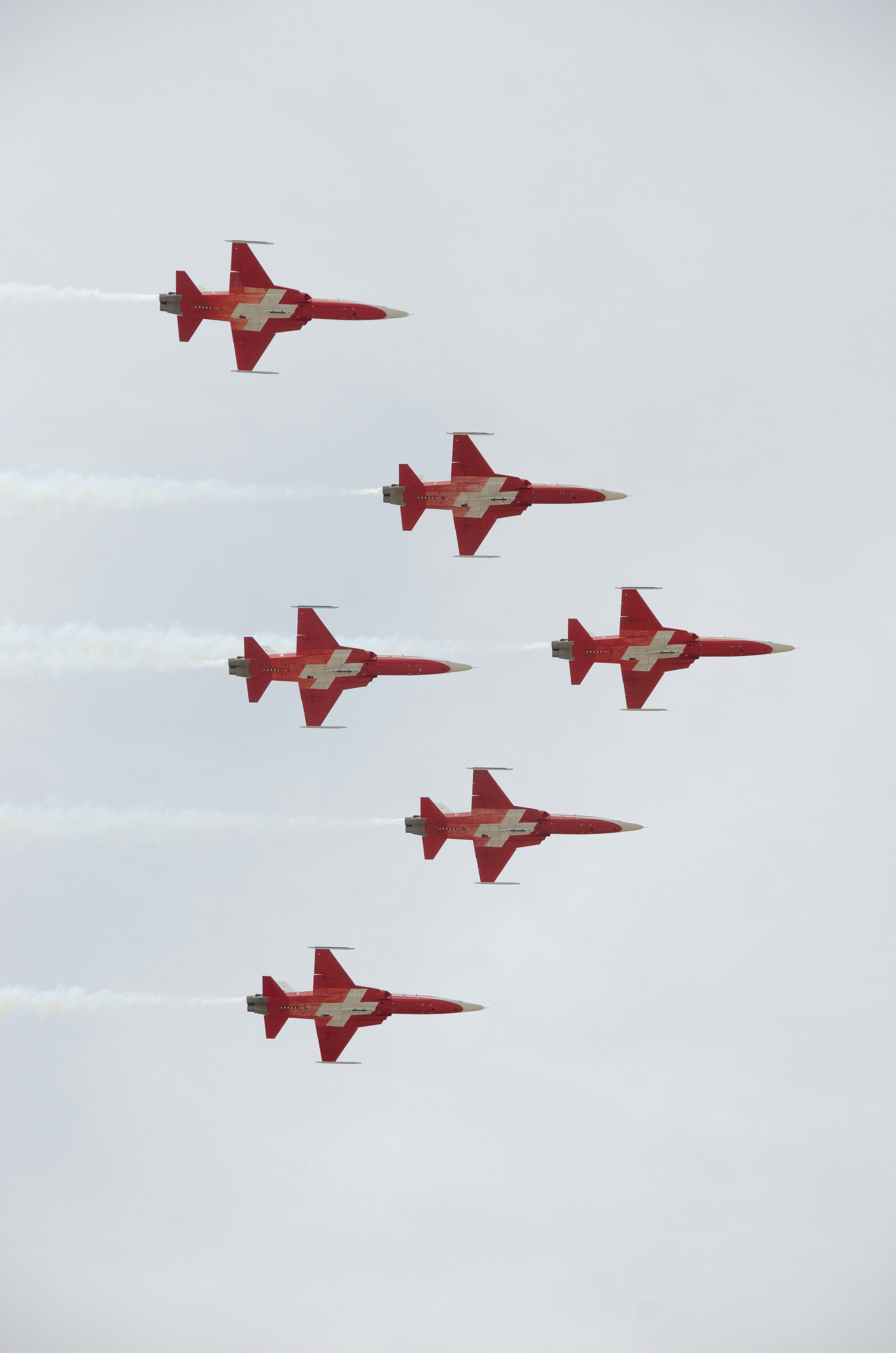
Overview of the Eurofighter Typhoon
The Eurofighter Typhoon is a multi-role combat aircraft designed for air superiority and ground attack missions. Developed as a collaborative effort between four nations—Germany, Italy, Spain, and the United Kingdom—the Eurofighter incorporates cutting-edge technology to deliver exceptional performance and versatility in modern warfare. One of its key features is its delta-wing design, which enhances maneuverability and agility, making it highly effective in air-to-air engagements.
Performance specifications of the Eurofighter Typhoon are quite impressive. The aircraft is powered by two Eurojet EJ200 engines, enabling it to achieve a top speed of over Mach 2, while also providing superior thrust-to-weight ratios. This performance, combined with advanced avionics and a comprehensive array of sensors, allows the Typhoon to detect, track, and engage multiple targets simultaneously. Its advanced radar systems are crucial for identifying threats and coordinating missions within larger aerospace operations.
The Eurofighter Typhoon is not only beneficial for air combat but also excels in ground attack roles. It can carry a variety of precision-guided munitions, ensuring effectiveness during strike missions. Its versatility allows it to adapt to various operational scenarios, including close air support, reconnaissance, and suppression of enemy air defenses.
Strategically, the Eurofighter Typhoon holds significant value within NATO, serving as a critical component of European air defense. The collaboration among member countries to procure and operate this fighter jet fosters interoperability, enhancing collective defense capabilities. This aspect is particularly relevant in today’s geopolitical landscape, where international military collaborations are increasingly essential for maintaining security and deterrence. As nations finalize deals, such as the recent $11 billion agreement involving Türkiye, the Eurofighter Typhoon stands as a testament to innovation and strategic partnerships in aerospace defense.
Details of the UK-Türkiye Deal
The recent agreement between the United Kingdom and Türkiye marks a significant development in defense collaboration, centered around the procurement of 20 Eurofighter Typhoon jets. This deal, valued at approximately $11 billion, is a part of Türkiye’s broader strategy to modernize its air force and enhance national security capabilities. As detailed in the terms of the agreement, the jets are slated for delivery within a specified timeframe, ensuring that Türkiye can efficiently integrate these advanced platforms into its military operations.
This transaction includes not only the sale of the aircraft but also encompasses various stipulations regarding maintenance contracts and spare parts supply. The terms indicate a commitment to long-term support, fostering an enduring partnership between the two nations. Additionally, it is anticipated that this deal will facilitate advancements in technology transfer, enabling Türkiye to develop its defense industry further. Such provisions are expected to bolster local manufacturing capabilities and reduce dependency on foreign systems, thereby aligning with Türkiye’s strategic defense objectives.
From an economic perspective, the agreement is poised to produce beneficial outcomes for both countries. For the UK, the sale reinforces bilateral trade relations and underscores the significance of the defense sector within the national economy. Meanwhile, Türkiye stands to gain not only from the acquisition of necessary military assets but also from the potential for job creation and the stimulus of its defense industrial base. This collaboration exemplifies the mutual interests in defense procurement and technological innovation, elevating the standing of both nations within the international defense market.
Implications for Türkiye’s Defense Strategy
The recent agreement between the UK and Türkiye to acquire the Eurofighter Typhoon, valued at $11 billion, marks a significant advancement in Türkiye’s defense strategy. This acquisition not only enhances Türkiye’s air force capabilities but also plays a pivotal role in fortifying its national security. The Eurofighter Typhoon, recognized for its superior performance in air-to-air and air-to-ground missions, will provide the Turkish Armed Forces with advanced aerial combat capabilities, essential for addressing contemporary security challenges.
By integrating the Eurofighter Typhoon into its military arsenal, Türkiye aims to elevate its defense capabilities to a new level, facilitating a more robust response to regional threats and potential aggressors. The aircraft’s advanced avionics and weapon systems will allow Türkiye to maintain air superiority and effectively carry out various military operations, thereby reinforcing its strategic position within NATO and the broader regional landscape.
This acquisition aligns seamlessly with Türkiye’s ambitions to modernize its military forces, as evidenced by ongoing efforts to develop homegrown defense technologies. The introduction of the Eurofighter Typhoon complements these domestic initiatives, enabling Türkiye to benefit from enhanced operational efficiency and interoperability with allied forces. Moreover, it symbolizes Türkiye’s intent to assert itself as a more influential player in international defense matters, potentially reshaping power dynamics within the region.
Furthermore, securing this deal reflects Türkiye’s commitment to diversifying its defense partnerships, reducing reliance on a single source of military equipment, and ensuring a more resilient defense posture. In doing so, Türkiye not only bolsters its defense strategy but also positions itself strategically amidst shifting geopolitical landscapes. As a result, the Eurofighter Typhoon deal represents a crucial step forward in reinforcing Türkiye’s national security framework and enhancing its military standing on the global stage.
Responses and Reactions from Stakeholders
The recent finalization of the $11 billion Eurofighter Typhoon deal between the UK and Türkiye has elicited a diverse array of responses and reactions from various stakeholders. Defense analysts have expressed a mix of optimism and caution. On one hand, analysts recognize the deal as a significant step in bolstering Türkiye’s defense capabilities, enhancing its ability to operate independently within the NATO framework. On the other hand, they warn about potential implications for regional security dynamics, particularly concerning relations with neighboring countries that may perceive this deal as a threat.
Government officials from both the UK and Türkiye have lauded the agreement as a demonstration of strong bilateral ties and mutual trust in defense collaborations. UK Defense Minister’s statements highlighted the deal as a move to enhance Britain’s defense exports and reaffirm its commitment to supporting allies. Turkish officials have echoed this sentiment, considering the acquisition a vital investment in national security and technological advancements. They also underscored the deal’s importance for local defense industry development, aiming to stimulate economic growth in Türkiye.
The European and NATO defense communities are observing this partnership closely, particularly in light of the evolving geopolitical landscape. Some members express concern over Türkiye’s increasingly advanced military capabilities, questioning how this may impact collective defense strategies within NATO. Critics of the deal, including some human rights organizations, have raised alarms regarding Türkiye’s military actions in the region and the potential risk of these advanced jets being utilized in conflicts that could exacerbate humanitarian crises.
In summary, the reactions to the Eurofighter Typhoon deal reflect a complex interplay of support, concern, and strategic analysis. As stakeholders assess the implications of this partnership, it becomes clear that the consequences of such significant military transactions will reverberate beyond mere transactions, shaping the future of regional and global defense dynamics.
You might also like:
- 5 Essential Beyond for Amazing Results
- 24 Nostalgic Web sites That Amassed Justify 2000’s Era Internet
- Chicago Fire FC Signs MLS Forward Jason Shokalook: A New Era in Sports Recruitment
- Ethereum Key Stats – Last 24 Hours
- Mr. Trump Receives FIFA ‘Peace’ Award at 2026 World Cup Draw
