
What Are Commodities?
Commodities refer to basic goods used in commerce that are interchangeable with other goods of the same type. They are standardized products that can be traded on various exchanges and are typically categorized into two main types: hard commodities and soft commodities. Hard commodities are natural resources that are mined or extracted, including precious metals like gold and silver, as well as energy resources such as crude oil and natural gas. On the other hand, soft commodities consist of agricultural products or livestock, which include items like wheat, corn, coffee, and cattle.
One of the defining characteristics of commodities is their fungibility, meaning that they can be easily exchanged for other goods or services without losing value. This aspect is crucial as it allows for seamless trading on global markets. Additionally, commodities are standardized; they have specific quality and grading requirements that ensure uniformity across various producers. This standardization facilitates the trading process, as buyers can confidently purchase a commodity knowing its properties and value.
Quantities traded are typically standardized as well, which helps in determining market prices. As a result, commodities can be bought and sold in bulk, and their prices are influenced by supply and demand dynamics, geopolitical factors, and economic trends. The importance of commodities in the global economy cannot be overstated; they provide the raw materials necessary for production and consumption across various industries. Popular examples include oil, which powers transportation and manufacturing, gold, often viewed as a safe-haven investment, and wheat, a staple food product relied upon by billions globally. Overall, understanding commodities is essential for grasping the broader mechanics of global trade.
The Role of Commodities in the Global Market
Commodities play a pivotal role in the global market, acting as the essential building blocks for a myriad of industries and economies. These raw materials, which can be classified into categories such as agricultural, minerals, and energy resources, serve as the foundation upon which nations build their economies. For instance, agricultural commodities like wheat and corn are crucial for food production, while energy commodities like oil and natural gas drive industrial operations and transportation.
One significant aspect of commodities is their contribution to trade balances. When countries export commodities, they generate significant revenue, impacting their trade balance positively. Conversely, if a nation relies heavily on imported commodities, such as metals or crude oil, this can lead to trade deficits if the costs of these imports surpass the value of its exports. Thus, the ebb and flow of commodity prices can directly influence a country’s economic health and stability.
Furthermore, commodities are integral to the formation of pricing mechanisms within the global market. Prices for these goods are often benchmarked on global exchanges, reflecting supply and demand dynamics. These pricing trends not only impact the profitability of industries that utilize these resources but also serve as indicators of broader economic conditions. Rising commodity prices, for example, can signal inflationary pressures within an economy, affecting purchasing power and consumer confidence.
Countries that depend on commodities for export revenues are acutely aware of market fluctuations. Such nations are vulnerable to the volatility of commodity prices, which can be influenced by geopolitical factors, changes in demand, and advancements in technology. For these economies, managing the impacts of these fluctuations is crucial for maintaining financial stability and promoting sustainable growth.
Investing in Commodities: Risks and Opportunities
Commodities represent a significant sector within global trade, and investing in them can offer both opportunities and risks. There are several avenues through which investors can participate in the commodities market, primarily through direct investment in physical goods, futures contracts, and exchange-traded funds (ETFs). Each method has its own unique advantages and challenges.
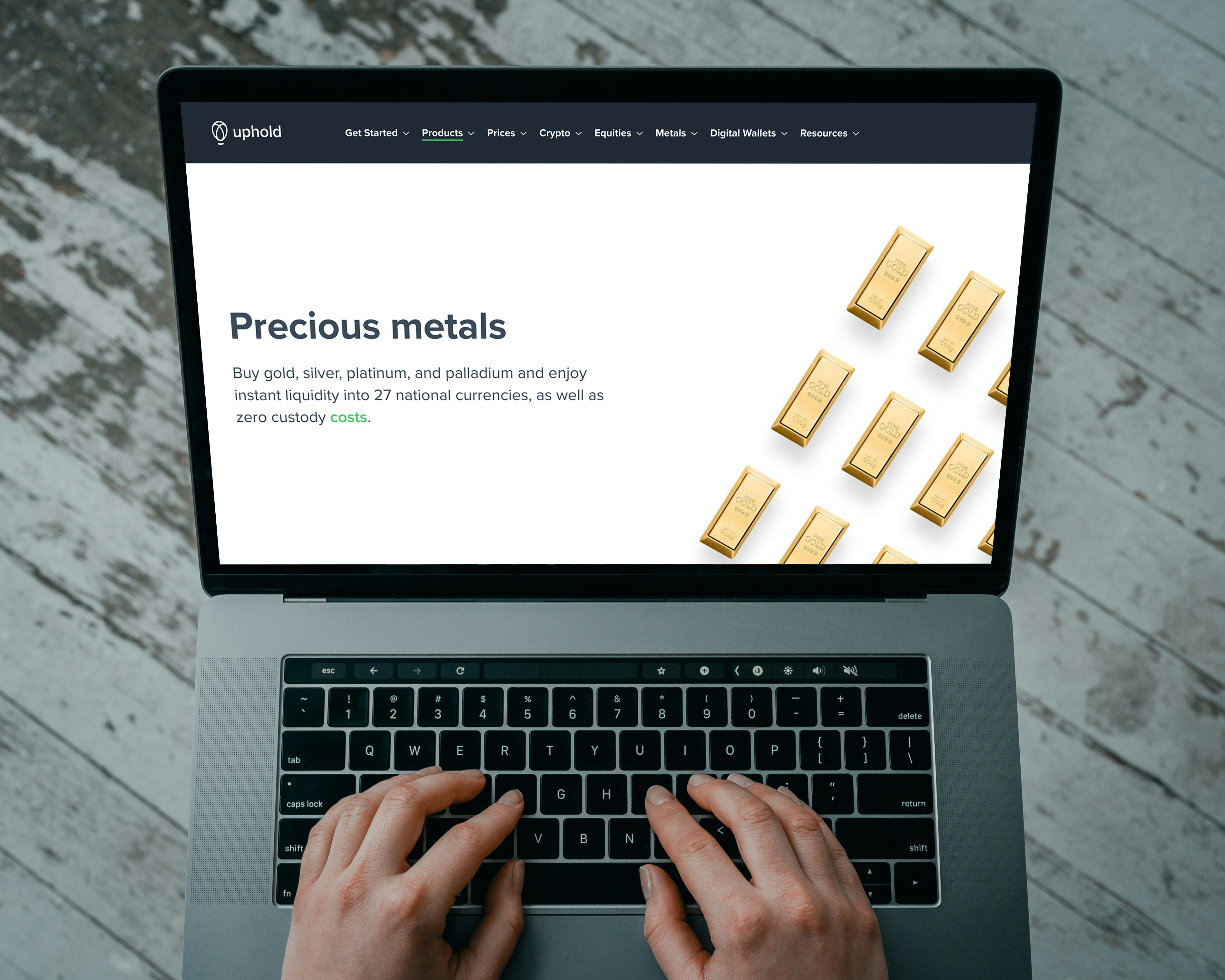
Direct investment in physical commodities, such as gold, silver, or crude oil, allows investors to hold tangible assets. This strategy can serve as a hedge against inflation, providing stability in periods of economic uncertainty. Physical commodities often maintain intrinsic value, appealing particularly during times of financial instability.
Futures contracts, on the other hand, provide investors with a way to speculate on the future price of commodities without the need for physical ownership. By entering into a contract to buy or sell a commodity at a predetermined price and date, investors can capitalize on price movements. However, this method includes inherent risks, as price volatility can lead to significant losses if market conditions shift unexpectedly.
Exchange-traded funds (ETFs) represent another popular option for investing in commodities. These investment vehicles offer diversification by tracking the performance of specific commodity indices or sectors. ETFs can be more accessible to individual investors, who may wish to avoid the complexities associated with futures trading or storing physical commodities. Nonetheless, while ETFs can simplify access to commodities, they too carry risks including management fees and market fluctuations.
Investors must also consider external factors that impact the commodities market, such as geopolitical events, changes in supply and demand, and technological advancements. These elements can influence pricing and market stability, making it crucial for investors to stay informed and engage in thorough research before committing funds to commodities.
Future Trends in Commodities Trading
The landscape of commodities trading is undergoing significant transformation, driven by advancements in technology and growing environmental considerations. One prominent trend is the integration of artificial intelligence (AI) into trading strategies. AI facilitates more accurate market predictions and risk assessments, enabling traders to respond swiftly to market fluctuations. Machine learning algorithms analyze vast amounts of data, allowing for the identification of patterns that were previously undetectable, thus enhancing decision-making in commodities investments.
Another technological innovation reshaping the commodities market is blockchain technology. This decentralized ledger system offers unparalleled transparency and security in transactions. By enabling real-time tracking of commodities from their origin to end consumers, blockchain not only increases traceability but also helps to mitigate fraud. The potential of smart contracts within blockchain could automate and streamline processes, reducing operational costs and improving efficiency in trading operations.
In parallel with technological advancements, the emphasis on sustainable sourcing is becoming increasingly prominent in commodities trading. Stakeholders in the market are placing greater importance on the environmental impact of commodities production. This shift is evident with the rising demand for renewable energy commodities, such as solar and wind energy. As governments and organizations commit to reducing carbon footprints, investments in sustainable commodities are expected to grow, highlighting the critical relationship between environmental sustainability and market trends.
Looking ahead, the commodities market faces various challenges, including geopolitical tensions and climate change. These factors could create volatility in certain commodity prices and supply chains. Adapting to these influences while embracing technology and sustainability will be essential for traders. The overall outlook for commodities trading remains robust yet complex, as professionals must navigate these emerging trends to thrive in an evolving marketplace.
You might also like:
- Geopolitical: 5 Essential Breakthroughs Revealed
- 5 Essential Arms Race Nations to Avoid Catastrophe
- SpaceX Targets Extra Than $2 Trillion Valuation in IPO
- A Comprehensive Analysis of Stellar Lumens (XLM): Market Trends, Strengths, Weaknesses, and Price Metrics
- Unveiling the Artist Behind the Iconic Figure: A Journey Through Art and Passion
