
The Current Situation of Oil Loading in Iran
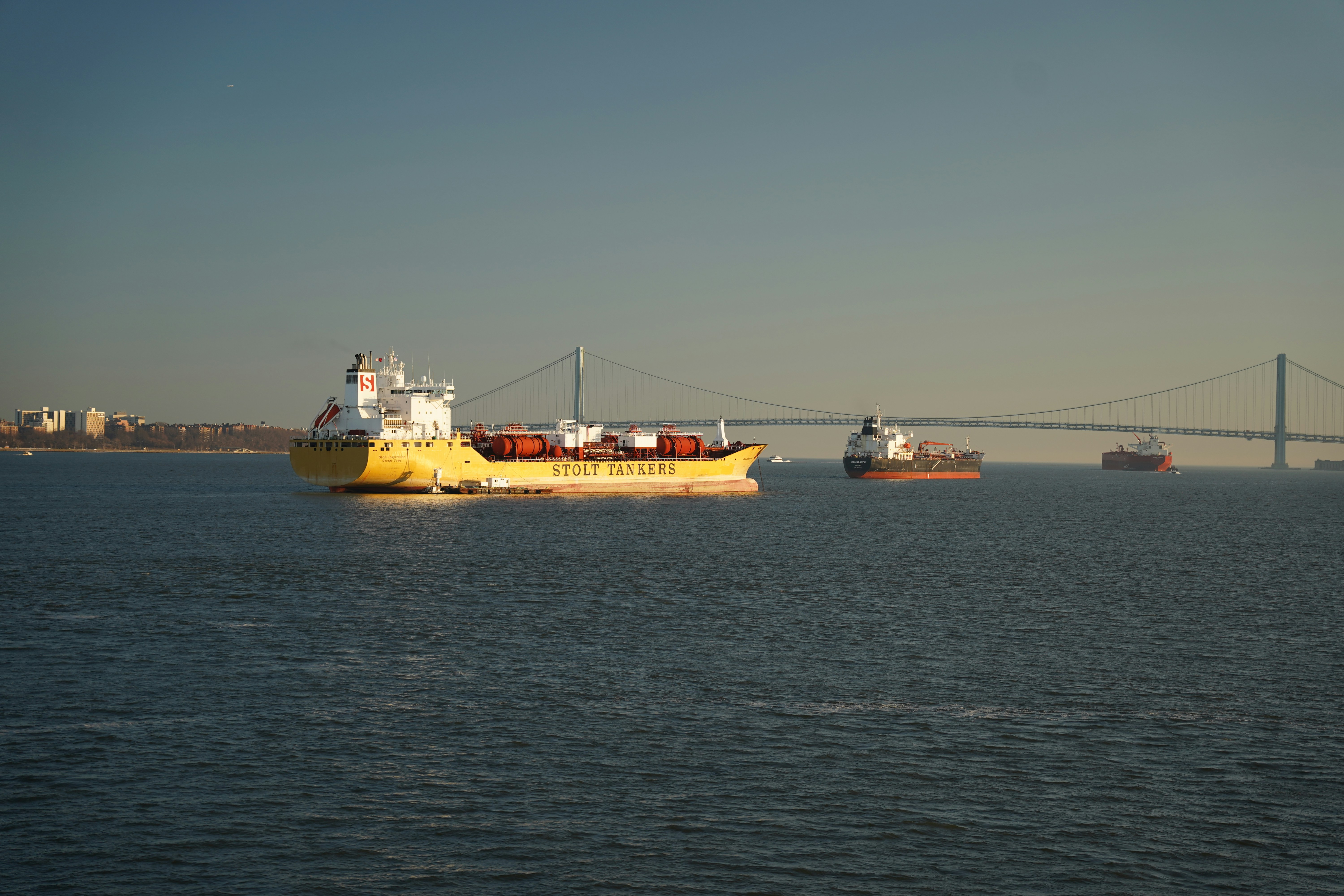
The recent developments in Iran’s oil loading operations reveal a complex picture amidst ongoing efforts to impose a blockade on the nation. Reports indicate that numerous tankers have successfully arrived at Iranian ports, notably at the Kharg Island oil terminal, which remains a critical hub for oil exports. Recent figures suggest that millions of barrels of oil are being loaded and prepared for export, showcasing Iran’s ability to manage its oil activities despite external pressures.
The significance of these operations cannot be overstated, as they highlight the resilience of Iran’s oil sector. The Kharg Island terminal has traditionally served as a vital point for shipping Iranian crude oil to international markets. Despite previous sanctions and current strategies aimed at curtailing Iran’s oil exports, the continuity of loading operations makes it evident that Iran is adapting to the demands of an evolving geopolitical landscape.
This ongoing flow of oil from Iran underscores the complexities involved in the international oil trade, particularly under the scrutiny of blockades. As tankers continue to arrive at Iranian ports carrying oil, the implications extend beyond simply maintaining export levels. They reflect the intricate balance of regional politics and the means through which Iran seeks to navigate challenges imposed by other states. Consequently, understanding this dynamic aids in comprehending the broader implications for global energy markets and the stability of oil supply chains worldwide.
In light of the ongoing efforts to disrupt these oil operations, the steadfast nature of Iran’s loading activities requires further examination. It raises questions about the effectiveness of blockade strategies and the potential for shifts in trade dynamics. This situation not only emphasizes the resilience of Iran’s oil industry but also suggests that the geopolitical environment surrounding oil imports and exports is becoming increasingly intricate.
Analysis of the U.S. Blockade and Its Effectiveness
The U.S. blockade against Iran, particularly targeting the export of oil, has been characterized by the military as a “finely tuned machine.” This rhetoric underscores the intention behind the blockade: to establish a comprehensive strategy to stifle Iran’s economy and reduce its ability to fund various initiatives which the U.S. deems threatening. However, when examining the blockade’s effectiveness, discrepancies appear, particularly in relation to shipping intelligence reports.
Despite the U.S. military’s assertions, intelligence firms like TankerTrackers and Lloyd’s List have reported frequent movement of Iranian-linked vessels that seem to circumvent the intended restrictions. These vessels reportedly continue to operate, successfully transporting oil to various destinations, notably to countries such as China and nations in the Eastern Mediterranean. The ongoing oil flow from Iran, even amidst the blockade, raises questions regarding the operational efficiency and strategic foresight of U.S. maritime supervision.
Furthermore, the blockade’s implications extend beyond immediate economic considerations. It represents a complex geopolitical dynamic, with countries adjusting their alliances and energy procurement strategies in response to Iran’s resilience. Countries that are keen to maintain relations with Iran, despite the blockade, potentially undermine U.S. objectives, as they continue to import oil from Iranian sources. Adds to this complexity is the ongoing debate regarding the humanitarian impact of sanctions on the Iranian populace, raising ethical concerns about the blockade’s broader social implications.
In light of these factors, assessing the effectiveness of the U.S. blockade reveals a landscape that is both intricate and contested. By juxtaposing the military’s claims with the realities observed on the ground, it becomes clear that the blockade’s execution faces significant challenges and discrepancies, inviting further discussion on its long-term impacts and strategic efficacy.
Evasive Tactics Employed by Iranian Tankers
In recent years, Iranian tankers have adopted a range of evasive tactics to continue oil flow amidst strict blockade efforts. These strategies have proven effective in allowing vessels to escape detection by international monitoring systems. One prevalent method involves the transmission of false signals, where tankers manipulate their Automatic Identification Systems (AIS) to display inaccurate information about their locations.
Additionally, Iranian tankers frequently resort to flying fraudulent flags from countries that are less scrutinized by global authorities. This practice not only disguises their true origins but also complicates the tracking processes undertaken by maritime agencies. By sailing under the guise of other nations, these vessels capitalize on the loopholes present in international maritime law.
Technological advancements have aided both Iranian tankers and monitoring agencies in this ongoing cat-and-mouse game. While Iranian vessels can obscure their movements, international maritime security forces have improved satellite monitoring and ship-tracking systems that enhance detection capabilities. These technologies enable them to identify patterns in oil transportation and to trace ships that drop off the radar. For instance, analysts often scrutinize satellite images to assess unusual docking patterns at ports known to handle Iranian oil.
The implications of these evasive techniques extend beyond tactical evasion. The ability of Iranian tankers to operate under the radar threatens the efficacy of sanctions designed to curb the nation’s oil exports. These actions not only bolster Iran’s economy in the face of international pressure but also raise significant concerns regarding maritime security, sovereignty, and compliance with global sanctions. As the situation evolves, understanding these tactics becomes crucial for policymakers trying to address the flow of Iranian oil amidst ongoing restrictions.
The Broader Implications of Continued Oil Flow from Iran
The persistence of oil exports from Iran, despite attempts to impose stringent blockades, warrants a closer examination of its broader implications on international relations and global oil markets. Iran’s ability to sustain its oil flow amidst various sanctions indicates a resilience that not only has geopolitical ramifications but also influences the economic landscape of oil-dependent nations.
From an international relations perspective, the ongoing oil flow presents a complex dynamic, particularly between the United States and Iran. The U.S. has long viewed Iran’s nuclear ambitions and regional influence as a threat, and the continuation of its oil exports may complicate diplomatic efforts aimed at curbing its influence. This development could lead to a recalibration of the United States’ strategy regarding sanctions, as reliance on Iranian oil might catalyze negotiations or, conversely, escalate tensions with those countries that openly engage in trade with Iran.
Furthermore, the sustained production capacity from Iran can potentially reshape the global oil markets. If Iranian oil continues to flow, it may lead to shifts in oil pricing and supply dynamics, affecting major oil producers and traders worldwide. An increased Iranian output could lead to downward pressure on global oil prices, particularly if demand does not meet the surge in supply. The implications of this could extend beyond immediate economics, influencing energy cooperation or conflicts among oil-producing nations, such as OPEC members who might fear losing market share.
Additionally, the ongoing interaction between Iran and various countries may signify a potential shift in global alliances, whereby nations that previously adhered to U.S. sanctions may reconsider their stance. This changing landscape has the potential to redefine relationships not just within the region but globally, impacting energy security and diplomatic relations.
You might also like:
- Remembering Masashi “Jumbo” Ozaki: A Golf Icon
- Eminem’s Daughter Alaina Scott Welcomes First Little one with Husband Matt Moeller and Shows the Candy Inspiration Within the help of Her Identify – AOL.com
- Breaking Down European Market Trends: Insights from Today’s Performance
- Federal Reserve’s Perspective on Business Regulations and Interest Rates
- Ethereum Basis merely about reaches 70,000 staked ETH draw
