
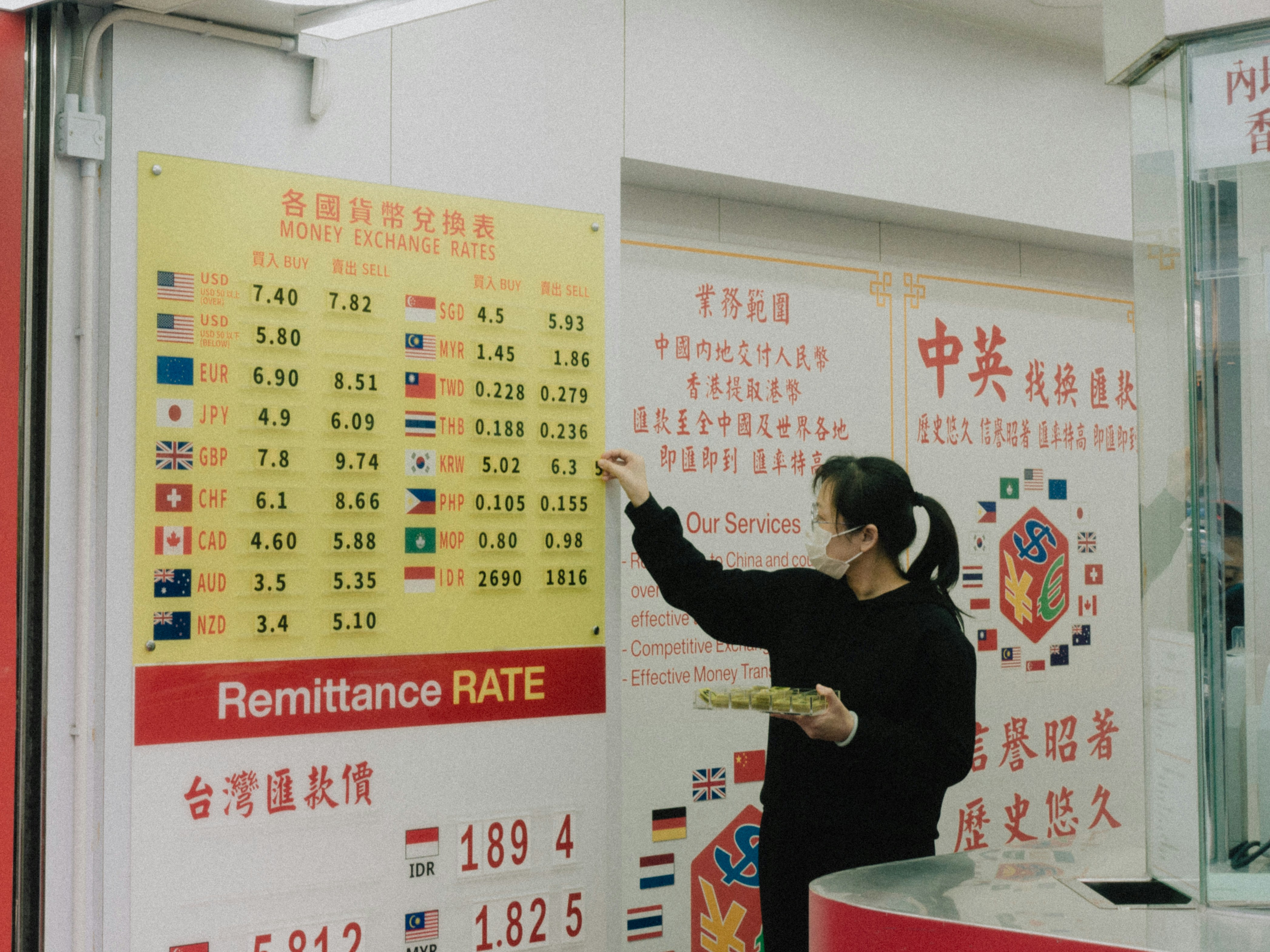
Japan’s monetary policy has been shaped by a variety of complex economic factors, especially in the context of global market fluctuations. As the world’s third-largest economy, Japan’s economic performance is closely monitored, particularly the strength and stability of the yen. Recent years have seen the yen under pressure due to various external and domestic factors, including rising commodity prices and shifting investor sentiment. This volatility has led to significant challenges for the Bank of Japan (BOJ) as it seeks to navigate through turbulent economic waters.
The BOJ has historically played a pivotal role in stabilizing the yen and responding to changes in the global economy. In the wake of prolonged low interest rates and an expansive monetary policy that began after the 2008 financial crisis, the central bank has employed unconventional tools such as negative interest rates and asset purchasing programs. These measures were intended to stimulate economic activity and prevent deflation, which have been persistent concerns in Japan’s economic landscape.
As the BOJ prepares for the upcoming monetary policy meeting on April 28, 2026, several factors are influencing its decision-making process. The recent global economic volatility has raised questions about the resilience of the Japanese economy and the effectiveness of its monetary policy. The interplay between the yen’s performance and these external economic pressures complicates the BOJ’s ability to maintain price stability while fostering growth.
Moreover, the global economy’s recovery trajectory is uncertain, influenced by geopolitical tensions, supply chain disruptions, and shifting monetary policies in other major economies. The BOJ’s ability to respond effectively in this changing environment will not only impact Japan’s economic health but also resonate across international markets, highlighting the significance of its upcoming decisions.
Key Elements of Satsuki Katayama’s Warning
Finance Minister Satsuki Katayama recently issued a cautionary statement aimed at currency markets, highlighting several critical elements that underscore Japan’s economic strategy in light of current pressures. One of the most striking aspects of her warning was the announcement of an unprecedented 24/7 readiness for intervention in currency trading. This proactive approach signals the government’s determination to safeguard the Japanese yen from excessive volatility, which has implications for international competitiveness and domestic price stability.
Katayama further emphasized the importance of coordination with U.S. authorities to ensure a cohesive response to potential market disruptions. This collaboration reflects a growing recognition that global currency fluctuations cannot be addressed in isolation; rather, they require a concerted effort among major economies. By aligning strategies with the United States, Japan aims to bolster the effectiveness of its monetary policies and to mitigate risks associated with currency speculation.
Additionally, the Finance Minister acknowledged the rising concerns regarding speculative trading, particularly in relation to crude oil prices. This connection highlights how external commodity prices can influence local currency movements, potentially leading to adverse effects on the everyday lives of Japanese citizens. The discussion of speculative trading is particularly relevant in the context of recent fluctuations in oil prices, which have raised concerns about inflation and the cost of living.
By explicitly addressing these issues, Satsuki Katayama’s statement serves as both a warning and a reassurance. It demonstrates the government’s commitment to maintaining stability in the currency markets while also signaling the potential ramifications of current global economic trends on the Japanese populace. Through these measures, the Finance Minister aims to navigate the delicate balance of ensuring economic stability while fostering growth in the face of ongoing challenges.
Impact of Currency Speculation on Household Economies
The fluctuations of the Japanese yen in currency markets significantly affect the financial well-being of households across Japan. Speculation on the yen’s value can lead to erratic trends that impact consumer pricing, especially for essential imported goods like energy and food. As the yen weakens due to trading volatility, the costs of importing these necessities rise, leading to an increased burden on families.
For instance, a significant depreciation of the yen can directly increase the prices of oil and gas, which are critical for heating homes and fueling transportation. According to recent reports, the rise in fuel prices directly correlates with the yen’s fluctuation, escalating household energy expenditures and thereby straining family budgets. As families allocate more resources to meet their energy needs, other areas such as education or savings may suffer.
Moreover, the cost of imported food has seen a steep rise in recent years. A survey conducted by Japan’s consumer price index revealed that households spent approximately 10% more on food over the last year, primarily attributed to the weakening of the yen against dominant currencies such as the US dollar. Such increases in essential goods compel families to re-evaluate their spending habits, often leading them to opt for cheaper, less desirable alternatives that can compromise nutritional value.
The economic strain on households due to currency speculation can lead to broader implications within the economy. As consumer confidence wavers, spending may decline, potentially stalling economic growth. The link between currency fluctuations and household economies is evident; thus, policymakers must consider these dynamics carefully when deliberating economic measures or interventions.
International Reactions and Future Implications
The recent warning issued by Japan’s Finance Minister, Shunichi Suzuki, has reverberated across global currency markets, eliciting responses from traders and investors alike. The heightened possibility of Japan intervening in the foreign exchange market signals a critical moment for currency dynamics, particularly in terms of Yen stability. Traders are now recalibrating their positions, anticipating both immediate and long-term repercussions as they gauge the extent of BoJ’s potential policy shifts.
Market analysts have noted a cautious optimism regarding the impact on the Japanese Yen. If Japan does pursue intervention measures, it could lead to increased volatility in the currency markets, reflecting broader skepticism surrounding Japan’s economic trajectory. Countries closely tied to the Yen’s performance, such as the United States, are monitoring these developments, as fluctuations could alter trade balances and economic alignments. Furthermore, Japan’s readiness to intervene might provoke reactions from major economies, potentially prompting collaborative responses aimed at stabilizing the situation.
Looking ahead, the implications of this warning extend beyond currency markets to influence future monetary policy discussions. Joint efforts among countries, particularly between Japan and the United States, could emerge as a significant strategy to address volatility in the currency markets. Strengthening alliances in economic policy may serve to reinforce Japan’s position on the international stage while simultaneously confronting challenges to its geopolitical standing.
As nations navigate these intricate economic landscapes, Japan’s proactive measures could either enhance its influence or impose new constraints, highlighting the delicate balance between intervention and market independence. Ongoing discussions about monetary policy may also reflect varying degrees of conformity to global economic objectives, raising essential questions about how countries can collectively navigate the complexities of international finance.
You might also like:
- A mass taking pictures in Ukraine’s capital leaves 6 needless before police shot and killed the gunman – NPR
- Navigating the BnB Market Today: What You Need to Know
- China Launches Wing Loong X: A New Era in Anti-Submarine Warfare
- Burberry’s Holiday Sales Surge: An Insight into Fashion Trends
- This Restaurant Earned a Michelin Star in Precise 9 Months | On The Line | Bon Appétit
