
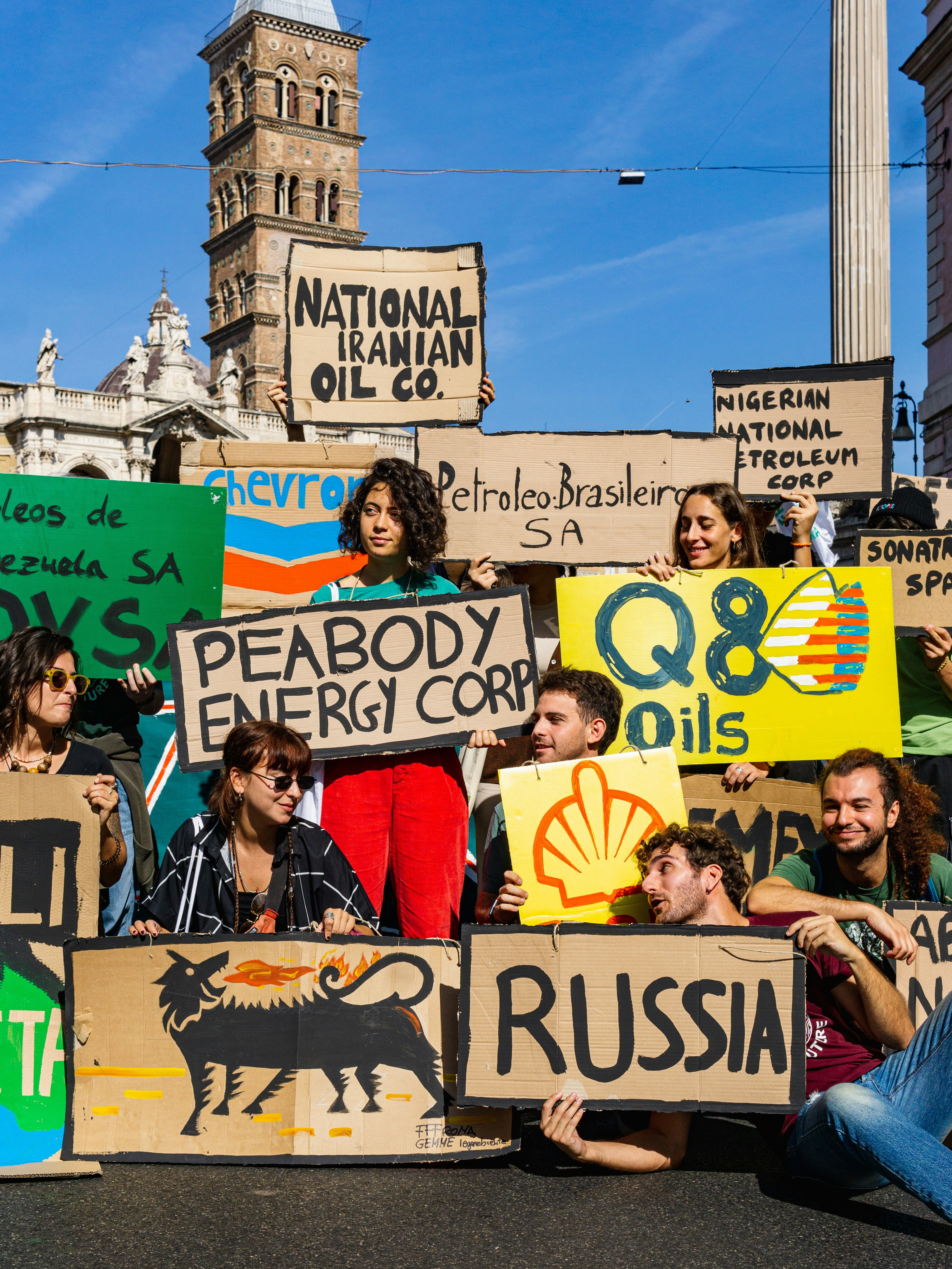
The Background of the Venezuela Blockade
The Venezuela blockade has emerged as a significant aspect of American foreign policy, particularly during the Trump administration. The United States has implemented strict sanctions in an attempt to undermine the regime of President Nicolás Maduro. One of the most contentious measures involved the seizure of sanctioned oil tankers off the coast of Venezuela, which has drawn global attention and controversy.
Motivations Behind the Seizure of Oil Tankers
President Trump’s administration justified these actions as a means of exerting pressure on Maduro’s government. The objective was to disrupt the flow of oil, which serves as the backbone of Venezuela’s economy. By seizing these oil tankers, the administration aimed to limit the financial resources available to the Maduro regime, minimizing its ability to govern effectively. This blockade has led many to speculate about the true motives behind U.S. intervention, particularly concerning Venezuela’s rich oil reserves.
Maduro’s Response and International Implications
In response to the blockade, President Maduro has characterized the actions of the Trump administration as revealing its “true motives.” He claims that the U.S. is primarily interested in Venezuela’s oil wealth rather than the well-being of its people. This perspective reflects a broader concern regarding foreign interference in national sovereignty. The international community continues to grapple with the implications of these sanctions, as the humanitarian situation in Venezuela worsens, leading to widespread calls for dialogue and peaceful resolution.
You might also like:
- Understanding the Severity of This Flu Season and Antiviral Solutions
- The Disillusionment of a Four-Year College Degree: High Costs vs. Low Returns
- U.S. Stance on Venezuelan Transition: Trump’s Remarks
- FTX law company Fenwick & West to pay $54M to victims in settlement
- How AI agents can reshape arbitrage in prediction markets
